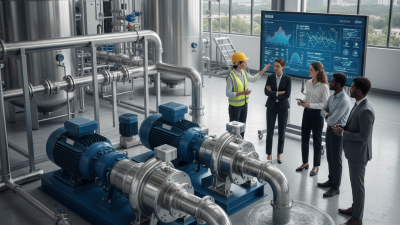
Top 10 Industrial Water Pump Manufacturers in China
Industrial water systems depend on pumps that can handle steady flow, changing pressure, and demanding operating conditions. In a treatment plant, a pump may move water through filtration stages for hours each day. In a factory, it may serve cooling loops, process lines, or wastewater systems. Small differences in efficiency and maintenance access can affect operating costs over time.
The United Nations World Water Development Report 2023 estimates that industry accounts for about 20% of global freshwater withdrawals. That figure underscores why reliable water-moving equipment matters, though needs differ widely by sector and location. Grand View Research estimated the global industrial pump market at approximately US$67.9 billion in 2023 and projected continued growth through 2030. Market estimates depend on definitions and methods, so they should be treated as indicators, not guarantees.
China is an important manufacturing base for pumps, with suppliers serving domestic projects and international buyers. Yet a long product list does not prove a pump will suit a specific site. Look closely at flow rate, head, materials, seal design, motor efficiency, testing, and after-sales support. Ask for performance curves and documentation for the exact model. Those details matter.
This guide reviews ten Industrial Water Pump manufacturers in China. It considers product range, engineering capability, quality practices, and service reach. The comparison is a starting point, not a verdict. No ranking can replace checking a supplier’s current certifications, references, and test records. That takes effort. It is still worth doing.
Industrial Water Pumps: Definition, Types, and Applications
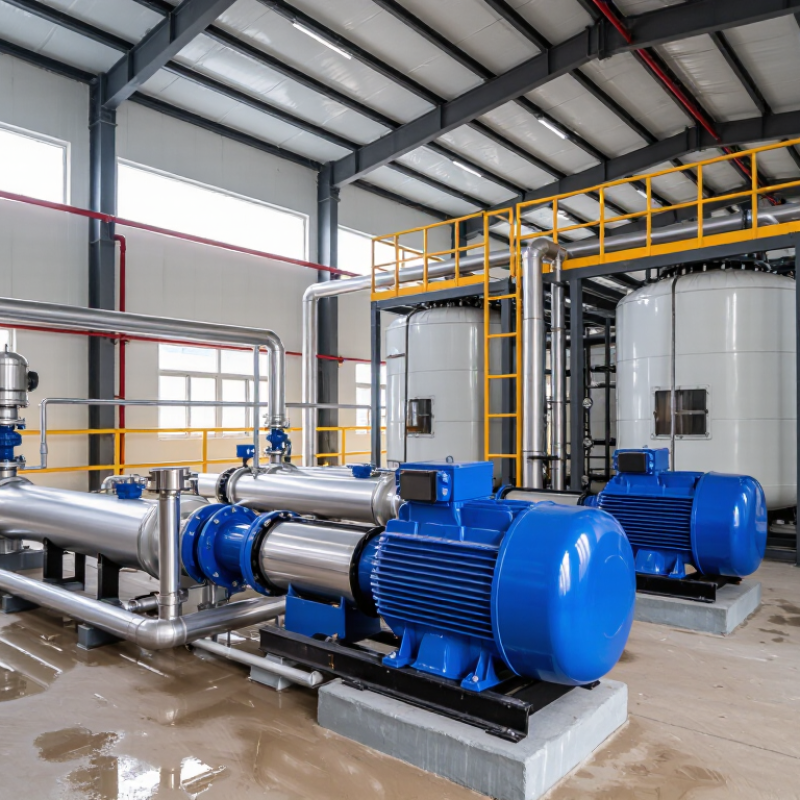
Industrial water pumps move water through treatment, cooling, cleaning, and process systems by converting mechanical energy into fluid flow. Their duty can look simple on paper. In practice, flow rate, pressure, temperature, and water quality all shape the choice.
The U.S. Department of Energy’s Improving Pumping System Performance guide notes that pumping systems can account for nearly 20% of global electricity use, and 25–50% of energy use in some industrial facilities. That makes correct sizing more than a technical detail.
Centrifugal pumps are common where steady, higher-volume flow is needed, such as cooling-water circulation or wastewater transfer. Positive-displacement types suit more controlled flows and thicker fluids, though they may need closer attention to pressure and maintenance. Submersible pumps operate below the water surface, often in sumps and drainage pits.
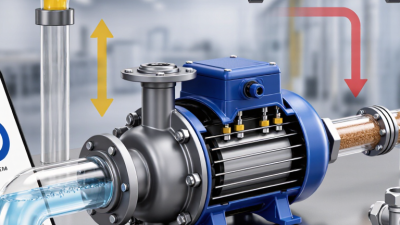
Suspended grit
Can wear pump components.
Air in the suction line
Can interrupt flow.
The U.S. Department of Energy also emphasizes matching pump operation to system demand, rather than relying on oversized equipment. A pump’s nameplate rating alone rarely tells the whole story. Selection still depends on the real operating curve, and that is easy to underestimate.
How Chinese Pump Manufacturers Are Evaluated
A reliable evaluation of Chinese industrial water pump manufacturers starts with the operating conditions, not a catalogue photo. Check whether the supplier can explain flow rate, head, liquid temperature, and material compatibility for your application. Ask for performance curves at the proposed duty point. A pump that looks suitable on paper may consume excess energy or struggle with changing demand.
Evidence matters. Review test records, inspection procedures, and traceability for key components. Where possible, request a factory audit or a live test using calibrated instruments. Small details count: seal selection, casting finish, vibration readings, and how clearly the team answers technical questions. Clear documentation is a good sign. Vague promises are not.
After-sales support deserves equal attention. Confirm spare-part availability, response times, warranty terms, and whether installation guidance is included. Ask how faults are diagnosed, not just how quickly they promise to respond. References from similar industries can help, but verify that the applications match yours. No checklist removes every risk. I would also question my own assumptions: a lower price is not automatically poor quality, and a polished presentation does not prove long-term reliability. Compare documented evidence against the actual service conditions, then record any unanswered questions before choosing a supplier.
Profiles of Ten Industrial Water Pump Manufacturers in China
Profiles of ten industrial water pump manufacturers in China are most useful when compared by engineering focus, not catalogue size. One may specialize in end-suction pumps; another in split-case units for high flow. Others focus on multistage pressure boosting, submersible drainage, wastewater handling, chemical-duty designs, fire-water systems, or custom process pumps. Two further profiles can represent suppliers emphasizing cast components and suppliers offering packaged pumping systems. These are comparison categories, not claims about specific companies.
The U.S. Department of Energy’s Improving Pumping System Performance sourcebook notes that pumping systems account for a substantial share of industrial electricity use. That makes efficiency curves, motor matching, and operating-point selection important profile details.
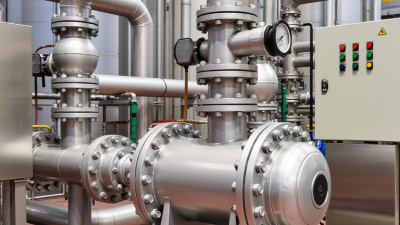
Ask for test data at the actual duty point, not only a headline efficiency figure. Check materials, seal options, vibration limits, and service access. A casing that looks robust in a photo tells little about its performance after years of abrasive water.
Manufacturing
Machining capability and inspection records
Support
Spare-parts lead times and export experience
Some suppliers may excel at standard sizes but struggle with unusual operating conditions. That distinction is easy to miss. Evidence can be uneven, too, so treat published figures as starting points and request documentation before comparing offers.
Key Technologies and Industries Served
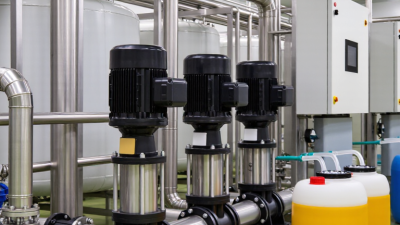
Chinese industrial water pump manufacturers serve demanding sites where flow stability, corrosion resistance, and maintenance access matter. Common technologies include centrifugal pumps for high-volume transfer and multistage designs for higher-pressure duties. Variable-frequency drives can adjust output as demand changes, reducing unnecessary energy use. That helps. Material choices also matter: stainless steel may suit some process water, while cast iron is common in less corrosive service. Neither is universally right.
Typical applications span municipal water supply, wastewater treatment, power generation, mining, and chemical processing. A wastewater plant may need solids-handling impellers, while a cooling-water line depends on steady flow and manageable vibration. Manufacturers increasingly use sensor-based monitoring to track temperature, pressure, and bearing condition. Useful, but not magic. Buyers should check test data, operating curves, seal options, and local service capability against actual site conditions. Catalog ratings can look reassuring; real water quality and pipe layout often complicate the choice. Specifications deserve a second look.
Comparing Manufacturers for Industrial Pump Procurement
Choosing an industrial water pump manufacturer is less about a polished catalogue and more about how well a supplier can explain its equipment. Compare manufacturers against the same duty point: flow rate, total head, fluid temperature, and operating hours. Ask for a performance curve, not just a maximum-flow figure. A pump may look suitable on paper and still consume too much energy at your actual operating point.
Look closely at materials and construction. For water containing grit or treatment chemicals, confirm the casing, impeller, and seal materials match the fluid. Request test records tied to the proposed model, and clarify whether testing used comparable conditions. Small details matter. Ask how spare parts are identified, how long common components take to ship, and what technical support covers after installation. Vague answers are a warning sign, though not proof of poor quality.
A useful comparison also includes lifecycle cost, not only purchase price. Estimate energy use, routine maintenance, expected downtime, and access to local service. Review the warranty terms carefully; coverage can depend on installation and operating conditions. Factory visits or independent inspections may help when procurement value is high. Still, no checklist removes every risk. Buyers sometimes overvalue a low price—or a confident sales presentation—and overlook the pump’s real working environment.