What Is the Best Industrial Metering Pump in China?
Choosing the best Industrial Metering Pump in China is not a brand-name contest. It is a match between dosing duty, fluid properties, operating conditions, and support after installation. The United Nations World Water Development Report 2023 estimates that industry accounts for about 19% of global freshwater withdrawals. That figure is not a pump-market forecast, but it shows why dependable flow control matters in water treatment and industrial processes.
The right choice starts with measurable requirements: flow range, discharge pressure, turndown, repeatability, and chemical compatibility. A pump dosing sodium hypochlorite into a treatment line faces different demands from one handling a viscous polymer beside a chemical storage tank. Look closely at wetted materials, diaphragm design, control options, calibration procedures, and the availability of replacement parts. API Standard 675 offers a technical reference for controlled-volume reciprocating pumps, though buyers should confirm its relevance to their specific service.
Small details matter.
Ask suppliers for test data at your actual operating point, not only maximum capacity. Review the proposed control method and request clear documentation for accuracy, maintenance intervals, and commissioning support. A low purchase price may be offset by difficult calibration or delayed service. And a polished datasheet cannot prove performance in your process. There is no single winner for every plant. This guide compares practical selection criteria and helps identify which Chinese manufacturers may fit a given application, while treating specifications and service claims as items to verify—not assumptions.
What Is an Industrial Metering Pump?
What Is the Best Industrial Metering Pump in China?
What Is an Industrial Metering Pump?
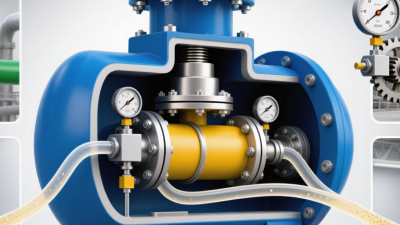
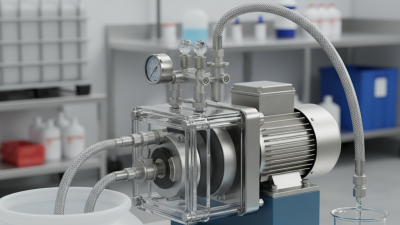
An industrial metering pump is a positive-displacement pump that delivers a controlled liquid volume at a set rate. Unlike a transfer pump, it doses repeatable quantities against process pressure. A motor or solenoid moves a diaphragm or plunger, while check valves direct liquid through each stroke. Operators adjust the stroke length, speed, or both. Not a simple tap. In a treatment line, the pump might feed a steady stream of measured chemical into a pipe. The U.S. Department of Energy’s Improving Pumping System Performance sourcebook estimates pumping systems use nearly 20% of global electricity. This figure covers pumping systems broadly, not metering pumps alone.
Pump choice depends on flow range, discharge pressure, fluid properties, and control needs. API Standard 675 covers controlled-volume, positive-displacement pumps used in process service. Still, a specification is only a starting point. Viscosity, trapped air, suction conditions, and worn valves can affect actual delivery. Small errors matter. A practical commissioning check compares pump settings with measured output under real operating conditions. A clean datasheet may not reveal every installation issue; even a well-selected pump can need adjustment once connected to the actual piping and fluid.
How Industrial Metering Pumps Deliver Precise Flow
What Is the Best Industrial Metering Pump in China?
Industrial metering pumps deliver precise flow by moving a controlled volume of liquid with each stroke. Operators adjust output through stroke length, stroke speed, or both. A digital setting helps, but it does not guarantee the actual flow rate. Small details matter.
During commissioning, collect the discharged liquid over a measured period and compare it with the target rate. Repeat the check at the system’s normal pressure, not only on an open outlet. Backpressure, liquid viscosity, temperature, and trapped air can all affect delivery. A clear liquid may flow steadily, while a thicker fluid can respond more slowly. Not always predictably.
For buyers in China, compare pumps against the real operating conditions: required flow range, chemical compatibility, pressure, and control signals. Ask for calibration data and clear instructions for routine checks. Also confirm that replacement parts and technical support are accessible. A clean test bench never tells the whole story.
The “best” pump is the one that stays accurate in the installed system, with a maintenance plan people can actually follow. One point deserves a second look: recalibration intervals should reflect measured drift, not habit alone.
Which Pump Types Serve Different Industrial Applications?
Industrial metering pumps are selected by fluid, pressure, flow rate, and the consequence of a dosing error. A diaphragm pump is common for acids, alkalis, and water-treatment chemicals because the liquid stays separated from many moving parts. Solenoid-driven models suit compact, lower-flow dosing skids; motor-driven diaphragm units serve steadier process duties. For very high discharge pressure and clean liquids, a plunger design may be appropriate. But seal wear and leakage need careful consideration.
Peristaltic pumps move liquid through a flexible tube, making them useful for viscous fluids or suspensions that may damage small valves. The tube is also a wear item, so maintenance planning matters. Easy to miss. The U.S. Department of Energy’s Improving Pumping System Performance: A Sourcebook for Industry reports that pumping systems can account for 25–50% of energy use in some industrial facilities. That figure covers pumping broadly, not metering pumps alone, but it underlines the value of matching capacity to actual demand.
For corrosive or hazardous service, engineers often compare diaphragm containment, wetted materials, back-pressure control, and calibration access. API 675 defines requirements for controlled-volume positive-displacement pumps used in process industries; it is a useful reference, not a substitute for application review. A practical selection starts with the fluid’s viscosity and solids, then checks required accuracy across the operating range. In real plants, the stated flow is not always the flow at the injection point. Pulsation, temperature, and changing line pressure can shift performance, so field verification should be part of commissioning.
What Criteria Matter When Comparing Pumps in China?
Comparing industrial metering pumps in China means looking beyond the advertised flow rate. Match the pump’s capacity and discharge pressure to the actual process, including start-up and low-demand periods. A dosing test with water may not predict performance with a viscous or abrasive fluid. Check chemical compatibility across every wetted part, such as the diaphragm, valves, seals, and pump head. Small details matter. Ask for test conditions and tolerances, not just a headline accuracy figure.
Control options also deserve close attention. Confirm whether the pump accepts the site’s signals and whether operators can adjust dosing without disrupting production. For example, a clear local display can help staff spot a changing stroke rate during a shift. Consider spare-part availability, service response, manuals, and technician training in the intended region. These can matter more than a slightly lower purchase price. Compare lifecycle costs, including energy use and routine maintenance. No single specification tells the whole story. Some supplier data may be measured under ideal conditions, so request evidence that reflects your fluid, pressure, and operating cycle. A careful comparison may take longer, but it reduces avoidable surprises.
How to Select the Best Pump for a Specific Process?
What Is the Best Industrial Metering Pump in China?
Selecting a pump starts with the process, not a product label. Define the required flow range, discharge pressure, liquid temperature, and expected operating hours. Then check the fluid’s viscosity and chemical compatibility with wetted materials. Small details matter. A corrosive liquid or changing batch temperature can alter material and control requirements.
Compare diaphragm and plunger designs against the actual duty. Confirm dosing accuracy across the full flow range, not only at one convenient setting. Review the manufacturer’s performance curve at your operating pressure. A datasheet alone can still mislead; a process trial or application review may reveal pulsation, unstable suction, or calibration drift. Then check the curve. Consider available controls, spare parts, and access for routine maintenance. The most precise pump may be a poor fit if technicians cannot service it easily.
Tips: Share a real fluid sample, operating pressure, and target flow with the supplier. Ask how accuracy is verified and what changes with wear. Leave room for adjustment; process conditions rarely stay perfect.