
Top 10 Diaphragm Dosing Pump Suppliers Worldwide?
Selecting a reliable Diaphragm Dosing Pump supplier requires more than comparing catalogue prices. Chemical compatibility, dosing accuracy, pressure stability, service response, and documented testing matter in real installations. A pump may look efficient on a showroom screen, yet struggle beside a hot chemical tank or a vibrating pipe rack.
Industry reports show why this market deserves careful examination. MarketsandMarkets identifies water and wastewater treatment as a major driver of metering pump demand, supported by stricter process-control requirements and expanding treatment infrastructure. Grand View Research also highlights chemical processing, pharmaceutical production, and water treatment as important application areas for dosing technologies. These findings suggest steady demand, but market figures vary between reports because product definitions and regional coverage differ. That limitation should not be ignored.
This article reviews ten leading Diaphragm Dosing Pump suppliers worldwide, focusing on practical purchasing factors rather than brand visibility alone. The comparison considers product range, flow and pressure capability, diaphragm materials, control options, certifications, global support, and customer experience. Small details matter. A replacement diaphragm delivered in days can prevent costly downtime. Clear calibration instructions can protect dosing accuracy during shift changes.
The ranking is not absolute. Supplier performance may depend on local distributors, project scale, and chemical conditions. Readers should verify current specifications, testing records, warranty terms, and after-sales support before making a final decision. Data changes. Field experience still matters.
What Is a Diaphragm Dosing Pump?
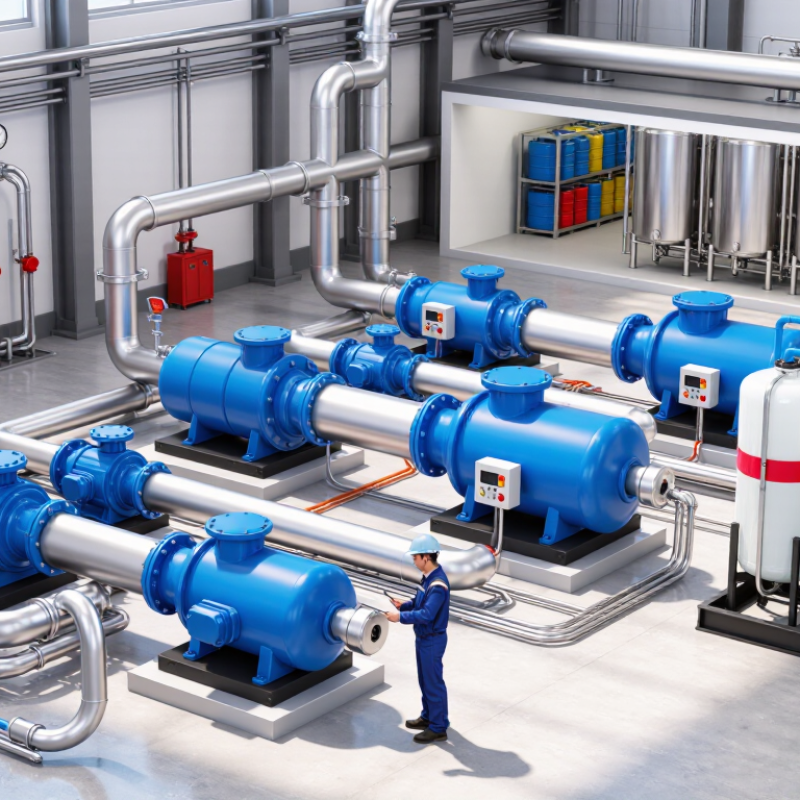
A diaphragm dosing pump is a metering device that injects controlled amounts of liquid into a process line. It uses a flexible diaphragm, driven by a mechanical, hydraulic, or electronic mechanism, to create repeated suction and discharge strokes. During suction, the diaphragm pulls chemical through an inlet check valve. During discharge, it pushes the liquid through an outlet valve at a measured flow rate.
These pumps are common in water treatment, food processing, cooling systems, and industrial cleaning. They can handle corrosive fluids when the wetted parts match the chemical. Flow accuracy depends on stroke length, speed, pressure, temperature, and liquid viscosity. A calibrated cylinder can verify actual output, because the displayed setting is not always the real delivery rate. No pump is perfect. Air bubbles, worn valves, or a stiff diaphragm can quietly reduce performance. Regular inspection matters more than optimistic specifications.
Tips: Check chemical compatibility before installation. Keep suction piping short and properly supported. Watch for pulsation, leaks, unusual noise, or unstable pressure. Operators should record daily flow readings and compare them with the target dose. A relief device may protect the system from blocked discharge lines. This small detail is often overlooked. When selecting among suppliers, request test data, maintenance guidance, spare-part availability, and documented operating limits. Test the pump with the actual liquid whenever possible; clean water may behave differently.
Top 10 Diaphragm Dosing Pump Suppliers Worldwide? – What Is a Diaphragm Dosing Pump?
What is a diaphragm dosing pump? A diaphragm dosing pump is a positive-displacement pump that uses a reciprocating diaphragm to meter a precise volume of liquid. The diaphragm separates the pumped fluid from the drive mechanism, helping reduce leakage and allowing the pump to handle corrosive, toxic, abrasive, or high-purity chemicals. Actual performance depends on the pump model, liquid properties, temperature, installation, and control method.
| Rank | Anonymous Supplier Profile | Primary Market Coverage | Common Diaphragm Pump Type | Typical Flow Range | Typical Pressure Range | Common Wetted Materials | Control Options | Typical Applications | Common Compliance Features |
|---|---|---|---|---|---|---|---|---|---|
| 1 | Supplier Profile 01 | Europe, North America, Asia-Pacific | Solenoid-driven metering pump | 0.1–100 L/h | Up to approximately 20 bar | PVDF, PTFE, ceramic, stainless steel | Manual stroke/frequency adjustment, 4–20 mA, pulse input | Water treatment, pH correction, chlorination | Industrial chemical service |
| 2 | Supplier Profile 02 | North America, Latin America, Middle East | Motor-driven mechanical diaphragm pump | 1–1,000 L/h | Up to approximately 50 bar | 316 stainless steel, PTFE, PVC, alloy options | Variable-speed drive, external pulse control, PLC integration | Boiler treatment, cooling water, process dosing | Heavy-duty process use |
| 3 | Supplier Profile 03 | Europe, Africa, Asia-Pacific | Hydraulically actuated diaphragm pump | 5–5,000 L/h | Up to approximately 250 bar | PTFE, stainless steel, Hastelloy-type alloys | Manual capacity control, servo adjustment, remote monitoring | Oil and gas, petrochemicals, high-pressure injection | High-pressure service |
| 4 | Supplier Profile 04 | Asia-Pacific, Europe, global OEM markets | Electronic diaphragm metering pump | 0.5–300 L/h | Up to approximately 25 bar | PP, PVDF, PTFE, ceramic | Digital keypad, timer, pulse, 4–20 mA, communication interface | Disinfection, membrane pretreatment, food-process chemicals | Automated dosing |
| 5 | Supplier Profile 05 | Europe, North America, Southeast Asia | Air-operated double-diaphragm metering system | 1–600 L/h | Up to approximately 15 bar | PTFE, EPDM, FKM, polypropylene | Pneumatic regulation, stroke control, remote on/off | Flammable-fluid handling, chemical transfer, mining | Air-driven operation |
| 6 | Supplier Profile 06 | Middle East, Africa, Europe | Plunger-assisted hydraulic diaphragm pump | 10–10,000 L/h | Up to approximately 400 bar | 316 stainless steel, PTFE, nickel-based alloys | Manual or automatic stroke-length control, variable-speed drive | Pipeline chemical injection, refinery processing, boiler feed additives | Severe-duty dosing |
| 7 | Supplier Profile 07 | Asia-Pacific, Europe, North America | Compact solenoid diaphragm pump | 0.01–30 L/h | Up to approximately 10 bar | PVDF, PTFE, ceramic, polypropylene | Manual dial, pulse frequency, timer, low-level input | Swimming pools, laboratories, small water systems | Compact installation |
| 8 | Supplier Profile 08 | North America, Europe, Australia | Double-diaphragm process metering pump | 5–2,500 L/h | Up to approximately 100 bar | Stainless steel, PTFE, ceramic, engineered plastics | Flow feedback, PLC, 4–20 mA, pressure monitoring | Industrial wastewater, pulp and paper, power generation | Process automation |
| 9 | Supplier Profile 09 | Latin America, Asia-Pacific, Africa | Motorized diaphragm dosing skid | 20–8,000 L/h | Up to approximately 80 bar | Carbon steel, stainless steel, PTFE, polypropylene | Variable-frequency drive, local control panel, SCADA connection | Mining reagents, desalination, municipal water treatment | Packaged systems |
| 10 | Supplier Profile 10 | Global distribution and OEM channels | Sanitary diaphragm dosing pump | 0.1–500 L/h | Up to approximately 20 bar | 316L stainless steel, PTFE, EPDM, FDA-grade elastomers | Manual control, pulse dosing, batch control, digital monitoring | Food and beverage, pharmaceutical utilities, clean-water systems | Hygienic applications |
Related Posts
-

2026 How to Choose the Right Solenoid Dosing Pump for Your Needs?
-
China Top Solenoid Dosing Pump Manufacturers and Suppliers?
-
2026 Best Diaphragm Dosing Pump What to Look For?
-
How to Choose the Right Diaphragm Metering Pump?
-
Top 10 High Pressure Dosing Pump Benefits and Applications Explained?
-
2026 Top High Pressure Dosing Pump Types?