How to Choose the Right Diaphragm Metering Pump?

Choosing the right Diaphragm Metering Pump is not a simple matter of matching flow rate and pressure. A pump may deliver 100 liters per hour on paper, yet perform poorly with a viscous chemical, abrasive slurry, or unstable suction line. The real decision begins with the process.

Dr. Lev Nelik, a pump engineer and author, has stated, “There is no such thing as a bad pump, only a bad application.” This principle remains useful. The correct Diaphragm Metering Pump must match the fluid, temperature, pressure, required accuracy, and operating cycle. Small details matter. A crystallizing liquid can damage valves. A long discharge line can increase pulsation. An unsuitable diaphragm material may fail earlier than expected.

Look beyond the catalog page.

This guide examines the practical questions behind reliable pump selection. It considers hydraulic capacity, wetted materials, diaphragm construction, control methods, leak protection, maintenance access, and total operating cost. It also explains why turndown ratio and calibration stability deserve close attention. These features can determine whether dosing remains steady beside a mixing tank or drifts during a long production shift.

The process is not always neat. Real installations contain changing temperatures, imperfect piping, and inconsistent chemical conditions. That is why selection should include operating margins, supplier testing, and clear documentation. A lower purchase price may appear attractive, but frequent diaphragm replacement can quietly increase costs. Even experienced engineers can overlook this trade-off.
How to Choose the Right Diaphragm Metering Pump?

Understand the Operating Principle of Diaphragm Metering Pumps

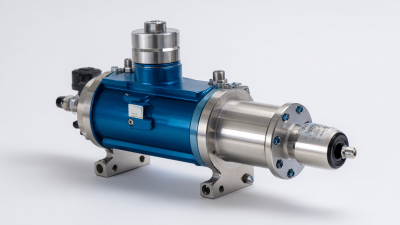
A diaphragm metering pump transfers liquid through controlled diaphragm movement. An electric motor or pneumatic actuator drives the diaphragm back and forth. During the suction stroke, the diaphragm moves backward and creates low pressure. The inlet check valve opens, allowing liquid into the chamber. During the discharge stroke, the diaphragm moves forward. The inlet valve closes, while the outlet valve opens and releases a measured volume.

Flow Control Flow rate depends on diaphragm displacement, stroke frequency, and liquid conditions. Higher stroke speed usually increases capacity, but accuracy can fall with viscous fluids or trapped air. Discharge pressure also matters. The pump must overcome system pressure without forcing excessive mechanical stress. In field applications, a calibration column or weighing test can reveal actual output. My first estimate is sometimes wrong, especially when liquid temperature changes.

Tips: Check valve orientation carefully. Remove air from the pump head before testing. Match diaphragm materials with the liquid and temperature. Use a pressure relief device where required. Record flow at several stroke settings, not only at maximum capacity. Small bubbles can cause noticeable dosing errors. A transparent suction line helps identify them quickly. Also inspect pulsation, because unstable discharge may indicate poor valve seating or an unsuitable installation.

Define Your Chemical Dosing and Flow Requirements

Choosing the right diaphragm metering pump begins with a clear dosing definition. Identify the chemical, concentration, temperature, viscosity, and specific gravity. Review the safety data sheet and confirm material compatibility with the wetted parts. A mild aqueous solution may require different materials than a solvent or abrasive slurry.

Measure the required flow range, not only the normal rate. Record minimum, average, and peak dosing values, such as 2, 10, and 25 liters per hour. Also confirm discharge pressure, suction conditions, pipe length, and injection-point backpressure. These details determine pump capacity and control accuracy. In field installations, air bubbles and fluctuating pressure can reduce performance. I have seen a pump appear correctly sized, yet deliver uneven flow because the suction line was too narrow. That mistake is easy to overlook.

Tips: Keep a dosing log for several operating cycles. Include chemical temperature and tank level. Choose a pump with useful adjustment range, rather than extreme oversizing. Allow space for calibration and maintenance. Pulsation dampeners may improve downstream stability. However, they are not a substitute for correct sizing. Recheck the calculation after commissioning, because real conditions often differ from the design sheet. Small errors in viscosity or pressure can become expensive over time.

Match Pump Materials with the Fluid and Process Conditions

How to Choose the Right Diaphragm Metering Pump?
Match Pump Materials with the Fluid and Process Conditions

A diaphragm metering pump should be selected around the fluid, not only the required flow rate. Check the fluid’s concentration, temperature, viscosity, solids content, and gas tendency. A chemical that seems mild at room temperature may become aggressive when heated. Material compatibility can change quickly.

Wetted parts need careful attention. PTFE diaphragms often handle many corrosive chemicals, while elastomer choices must match the fluid and operating temperature. PVDF, polypropylene, and stainless steel each suit different process conditions. Stainless steel can provide strength, but it may perform poorly with certain chlorides or acidic solutions. Small particles also matter. They can damage valve seats and reduce dosing accuracy.

Do not ignore the process environment. Pressure fluctuations, outdoor exposure, suction lift, and frequent start-stop cycles affect material life. A thick fluid may need larger valve passages or a slower stroke rate. Fluids that release gas can cause vapor locking and unstable output. Field checks should include actual fluid samples, not only safety data sheets. A compatibility chart is useful, but it is not the final answer.

One overlooked detail is cleaning. A material that resists the process fluid may still react badly with the cleaning agent. Review every contact surface, including seals, valve balls, seats, and fittings. When conditions are uncertain, test a small wetted assembly before full installation. That extra step may feel excessive. It often prevents an expensive correction later.

How to Choose the Right Diaphragm Metering Pump? — Match Pump Materials with the Fluid and Process Conditions
Wetted Material Typical Chemical Compatibility Recommended Fluids Typical Temperature Capability* Pressure and Process Considerations Compatibility Rating Important Selection Notes
Polypropylene (PP) Good resistance to many dilute acids, alkalis, salts and aqueous chemicals. Limited resistance to strong oxidizers and some organic solvents. Sodium hydroxide solutions, ferric chloride, aluminum sulfate, dilute mineral acids and general water-treatment chemicals. Approximately 0 to 80 °C, depending on concentration, pressure and component design. Suitable for many low-to-moderate pressure dosing duties. Mechanical strength and pressure capability decrease as temperature increases. Good for aqueous chemicals Verify compatibility with the exact concentration and temperature. Avoid assuming that resistance to dilute chemicals also applies to concentrated chemicals.
Polyvinyl Chloride (PVC) Good resistance to many inorganic acids, alkalis and salt solutions. Vulnerable to several aromatic, chlorinated and oxygenated organic solvents. Water-treatment chemicals, dilute hydrochloric acid, sodium hypochlorite solutions and non-solvent aqueous fluids. Approximately 0 to 60 °C for many rigid-PVC components. Economical option for ambient-temperature service. Not generally preferred for hot fluids, high mechanical loads or solvent-rich formulations. Good for cool aqueous service Check both chemical compatibility and stress-cracking risk, especially when the fluid contains solvents or surfactants.
Polyvinylidene Fluoride (PVDF) High resistance to many acids, bases, halogens and oxidizing chemicals. Some strong bases, amines and high-temperature chemicals require verification. Sodium hypochlorite, chlorine-related chemicals, acids, ultrapure-water chemicals and aggressive water-treatment solutions. Approximately -20 to 100 °C, subject to pressure and design limitations. Provides a stronger and more chemically resistant thermoplastic option than PP or PVC for demanding dosing applications. Excellent for many aggressive aqueous fluids Often selected where oxidizing chemicals or higher temperature resistance are important. Confirm compatibility with concentrated alkalis and amines.
PTFE Excellent resistance to most acids, bases, oxidizers and organic solvents. Some molten alkali metals, elemental fluorine and highly reactive fluorinating agents are exceptions. Strong acids, aggressive solvents, corrosive chemical blends and high-purity chemical services. Approximately -40 to 150 °C for many PTFE wetted components; the actual limit depends on pressure and construction. Very low chemical reactivity, but PTFE can creep under load and may have lower mechanical stiffness than engineered plastics or metals. Excellent chemical resistance Confirm diaphragm fatigue life, pressure rating and permeation behavior. PTFE is not automatically suitable for every high-pressure or high-cycle duty.
316L Stainless Steel Good general corrosion resistance and improved resistance to chlorides compared with standard stainless steel. Susceptible to pitting or crevice corrosion in concentrated chlorides and some acids. Water, dilute acids, many solvents, clean chemicals, food-process fluids and fluids requiring a robust metallic wetted path. Commonly suitable from below 0 °C to approximately 150 °C, subject to seals, diaphragm and pump design. High mechanical strength and good resistance to pressure, vibration and abrasion. Surface finish may be important for sanitary or high-purity applications. Good for many industrial fluids Use caution with hydrochloric acid, concentrated chlorides, hypochlorites and reducing acids. Material grade alone does not eliminate localized corrosion risk.
Alloy C-276 Very high resistance to many oxidizing and reducing acids, chlorides and localized corrosion mechanisms. Highly corrosive acid mixtures, chloride-bearing process fluids and demanding chemical-processing applications. Often suitable for elevated temperatures, but the allowable limit is determined by the complete pump construction and seal system. Provides a high level of corrosion resistance where common stainless steels are inadequate. Higher material cost should be justified by the process risk. Excellent for severe corrosion duty Confirm actual corrosion data for the fluid mixture, impurities, temperature and concentration. Do not select solely from a generic alloy chart.
EPDM Diaphragm or Seal Excellent with water, steam, dilute acids, alkalis and many polar chemicals. Poor compatibility with most mineral oils, fuels and hydrocarbon solvents. Water treatment, caustic solutions, dilute acids, hot water and some sanitizing chemicals. Approximately -40 to 135 °C, depending on compound and pump design. Suitable for aqueous service and elevated-temperature water applications. Swelling or loss of mechanical properties can occur in hydrocarbon-based fluids. Good for water-based fluids Do not use as the default elastomer for oil-containing formulations. Confirm compatibility with oxidizing agents and the exact chemical concentration.
FKM Diaphragm or Seal Good resistance to many mineral oils, fuels, hydrocarbons and non-polar solvents. Limited resistance to hot water, steam, strong bases and some polar chemicals. Oil-based chemicals, fuels, hydrocarbons and many solvent-containing formulations. Approximately -20 to 200 °C for selected compounds; actual service limits vary significantly. Useful where oil resistance and higher-temperature performance are needed. Not a universal replacement for EPDM or PTFE. Good for hydrocarbon service Verify compatibility with amines, ketones, esters, strong alkalis, steam and hot-water cleaning cycles.
PTFE-Faced Diaphragm Excellent chemical resistance across a broad range of acids, bases and solvents; the backing elastomer determines part of the overall compatibility. Highly corrosive chemicals, solvents, concentrated acids and applications requiring low contamination from the diaphragm surface. Commonly approximately -20 to 150 °C, subject to diaphragm construction and pressure cycling. Strong choice for corrosive dosing, but diaphragm flex life, stroke frequency, vacuum conditions and pressure pulsation must be checked. Excellent chemical resistance Evaluate the complete diaphragm assembly rather than the PTFE face alone. Ensure the selected diaphragm is rated for the intended pressure and cycle rate.
Ceramic or Glass-Lined Wetted Parts Very high resistance to many corrosive chemicals and excellent resistance to abrasion in selected designs. Brittle and sensitive to impact or thermal shock. Abrasive slurries, highly corrosive fluids and specialty chemical-processing services. Temperature capability varies widely with lining, thermal shock and pump construction. Can protect against corrosion and wear, but particles, sudden temperature changes and mechanical shock require careful control. Highly application-specific Confirm particle size, solids concentration, thermal cycling, impact risk and maintenance requirements before selection.
Selection reminder: Compatibility depends on concentration, temperature, pressure, exposure time, fluid impurities, solids content and the complete wetted assembly. The temperature ranges shown are typical guidelines, not universal ratings. Always confirm the final material combination using current chemical-resistance data and the pump manufacturer's component ratings.

Select the Right Pressure, Flow, and Control Features

Choosing the right diaphragm metering pump starts with the actual process conditions, not the catalog maximum. Define the required flow range, discharge pressure, fluid temperature, and chemical compatibility. A pump rated for 100 bar may perform poorly at very low flow. Leave a practical safety margin, but avoid excessive oversizing.

Flow control should match the dosing task. Fixed-speed pumps suit steady applications, while variable-speed drives support wider adjustment. Stroke-length control can improve accuracy at low output. For automatic systems, check the signal type, response time, and control resolution. A smooth 4–20 mA signal is useful, but only when the receiving controller is configured correctly. Small details matter.

Pressure protection deserves equal attention. Confirm the pump can overcome system pressure, pipe friction, and injection-point back pressure. A relief valve can protect the diaphragm and piping during a blocked line. A pulsation dampener may also improve readings from flow meters.

During commissioning, compare the measured volume with the setpoint at several operating speeds. Do not trust one calibration point. In real installations, temperature changes, trapped air, and worn check valves can alter performance. That is easy to overlook. Recheck the pump after the process reaches normal operating conditions.

Evaluate Installation, Maintenance, Safety, and Lifecycle Costs

How to Choose the Right Diaphragm Metering Pump?

Start with the dosing point, not the pump catalog. Measure required flow, discharge pressure, fluid temperature, and pipe length. A pump that fits the flow range may still struggle against pressure spikes. Check wetted materials against the process fluid, including its concentration and temperature. Confirm that the mounting surface can handle vibration. Leave space around the pump for inspection and diaphragm replacement. Small installation details often decide long-term reliability.

Maintenance access deserves equal attention. Can an operator reach the valves without removing nearby pipes? Are replacement diaphragms and seals available with clear service instructions? A transparent calibration column can expose inaccurate dosing before it affects the process. Record stroke settings, operating hours, and unusual noise. These simple records support better troubleshooting. However, maintenance plans are often too optimistic. Dust, poor training, and rushed inspections still cause avoidable failures.

Safety features should match the real installation. Consider pressure relief, leak detection, containment, electrical protection, and safe ventilation. Confirm that controls prevent overfeeding during startup or signal failure. Evaluate lifecycle cost rather than purchase price alone. Include energy use, calibration, spare parts, labor, downtime, and disposal. My first cost estimate often ignores one expensive shutdown. Request service intervals and expected diaphragm life under actual conditions. A slightly higher initial cost may reduce emergency work, but only when the design matches operating reality.

Go to Top