Top High Pressure Dosing Pump Solutions for Global Buyers?

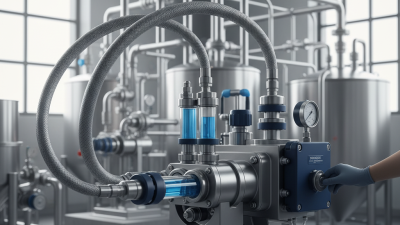
In the realm of industrial applications, High Pressure Dosing Pumps play a crucial role. They ensure precise fluid delivery in various sectors, including chemical, oil, and pharmaceuticals. Leading experts underscore the importance of these pumps. Dr. Emily Sanders, a recognized authority in fluid dynamics, states, "The accuracy of dosing systems directly influences production efficiency and safety."

As industries evolve, the demand for reliable High Pressure Dosing Pump solutions increases. Each application presents unique challenges. Some pumps excel in corrosive environments while others thrive in high-viscosity scenarios. The key is to choose a solution that meets specific requirements. Yet, many buyers struggle to find the right match. They may overlook essential features that ensure performance and durability.

Investing in High Pressure Dosing Pumps is not without its complexities. Manufacturers need to consider operational costs and maintenance. Balancing quality and budget can be challenging. It's a reflection that even the best solutions might not meet every need perfectly. Thoughtful evaluation is necessary for success in this competitive market.
Top High Pressure Dosing Pump Solutions for Global Buyers?

Overview of High Pressure Dosing Pumps and Their Applications

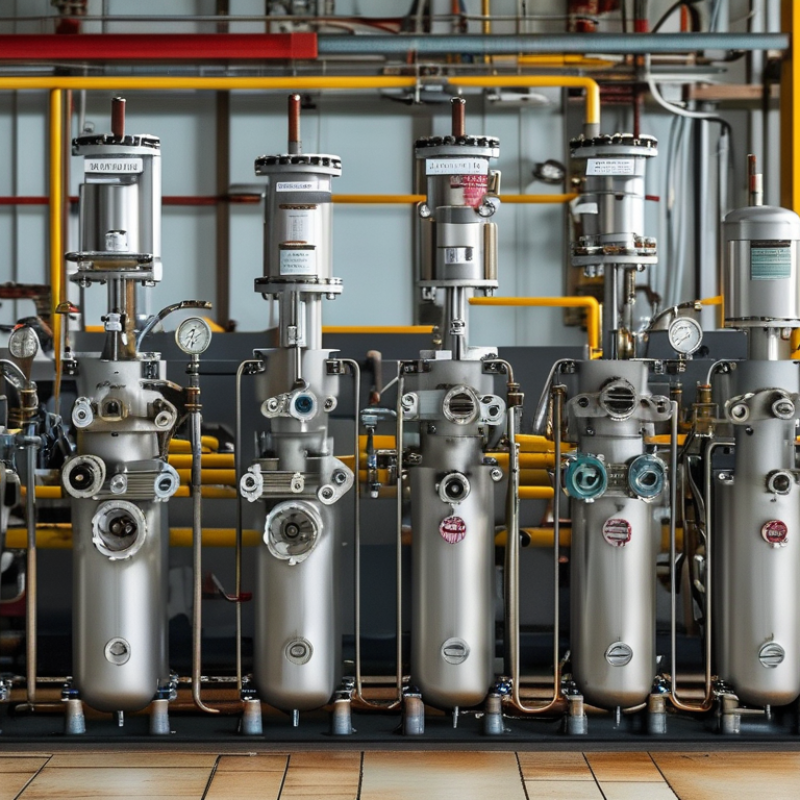
High pressure dosing pumps play a critical role in various industries. They ensure precise fluid handling in situations where accuracy is essential. These pumps are commonly used in water treatment, chemical processing, and pharmaceuticals. Their ability to function under intense pressure makes them ideal for demanding applications.

Applications often vary in complexity. For example, water treatment facilities rely on these pumps to add chemicals precisely. This process helps prevent contamination and enhances safety. In the pharmaceutical industry, accuracy in dosing affects product quality directly. Even a small error can lead to significant issues in drug formulation.

While high pressure dosing pumps offer numerous benefits, challenges exist. Selecting the right pump requires expertise. Buyers must consider fluid viscosity, pressure requirements, and compatibility with materials. Often, the decision process can be daunting. The complexity of technical specifications may lead to hesitation. Understanding the applications and pump capabilities is vital for making informed choices.

Key Features to Consider in High Pressure Dosing Pumps

When choosing high pressure dosing pumps, buyers must consider several key features that ensure reliability and efficiency. One critical factor is the pump's materials. Pumps made from durable materials resist corrosion and wear, increasing lifespan and performance. According to a recent industry report, pumps designed with stainless steel and ceramic components can outperform standard plastic pumps, particularly in harsh environments.

Another vital aspect of high pressure dosing pumps is their flow accuracy, measured in percentage deviation. Ideally, pumps should maintain a deviation of less than 1%. Inaccurate dosing can lead to product inconsistencies, impacting overall quality. This precision becomes essential in sectors such as pharmaceuticals and food processing, where exact measurements are crucial.

Pressure range also plays a significant role. A pump that can handle varying pressure levels is more versatile. Many industries require pumps to operate efficiently across a range of pressures, adapting to different processes. Flexibility can reduce the need for multiple pumps, saving on costs. However, not all pumps deliver this adaptability. Each application may require specific pressure and flow rates, necessitating a thorough evaluation before purchase.

Top High Pressure Dosing Pump Solutions for Global Buyers

Top Manufacturers and Brands of High Pressure Dosing Pumps Worldwide

The global market for high pressure dosing pumps is expanding steadily. Reports indicate that the industry is projected to reach a value of over USD 3 billion by 2026. This growth is largely driven by increasing demand from sectors such as water treatment, chemical processing, and pharmaceuticals. In these industries, precise dosing is critical to ensure product quality and operational efficiency.

Many top manufacturers lead this market with advanced engineering and innovative designs. These companies focus on creating pumps that offer enhanced reliability and accuracy. Data from industry surveys show that end-users prioritize durability and ease of maintenance when selecting a dosing pump. This highlights the need for manufacturers to continually improve their product offerings.

Tips: Always consider the application's specific needs before purchasing a pump. Each industry has unique requirements, influencing the choice of pump technology. Additionally, look for suppliers with established reputations in the market. Established companies often provide better support and service options, which can be critical when facing operational challenges. Always review product specifications carefully to ensure compliance with industry standards.

Comparison of High Pressure Dosing Pump Technologies and Efficiency

High pressure dosing pumps play a vital role across various industries, including oil and gas, water treatment, and chemical processing. Efficiency is crucial, especially as energy costs rise. A report from the International Pump User Group indicates that properly selected pumps can improve energy efficiency by up to 30%. This efficiency has significant implications for operational costs.

When comparing high pressure dosing pump technologies, diaphragm pumps and plunger pumps are the most prominent. Diaphragm pumps are known for their leak-proof design, making them suited for hazardous liquids. Meanwhile, plunger pumps excel in high-pressure applications, offering precise dosing capabilities. However, they can incur higher maintenance costs due to wear on components. According to the American Society of Mechanical Engineers, maintenance of diaphragm pumps can be 25% lower than that of plunger pumps, which is an important factor for many operations.

Tip: Regular maintenance is critical for maximizing the lifespan of any pump type. Schedule periodic checks to prevent costly failures. Additionally, consider energy-efficient models that can provide savings over time. As industries evolve, the demand for efficient solutions continues to grow, compelling buyers to reassess their current technologies and investments.

Top High Pressure Dosing Pump Solutions for Global Buyers

Pump Type Flow Rate (L/h) Max Pressure (bar) Efficiency (%) Applications
Diaphragm Pump 300 60 85 Chemical dosing
Plunger Pump 500 150 90 Water treatment
Peristaltic Pump 200 30 75 Food and beverage
Gear Pump 400 100 80 Oil and lubricants
Membrane Pump 250 50 70 Pharmaceuticals

Market Trends and Future Outlook for High Pressure Dosing Pumps

High pressure dosing pumps play a vital role in various industries, including water treatment, chemical processing, and pharmaceuticals. As the demand for accurate and reliable dosing increases, understanding market trends is essential. Many manufacturers are looking to enhance efficiency and scalability in their products. This direction may lead to innovations that reduce energy consumption and improve precision.

The future outlook for high pressure dosing pumps seems promising. Companies are investing in advanced technologies such as IoT and automation. These advancements may provide real-time monitoring and control, further increasing reliability. However, some challenges exist. The integration of new technologies can be costly. Companies must also consider maintenance and the potential need for staff training.

Environmental regulations are pushing for more sustainable solutions. Many buyers are expressing a preference for eco-friendly pumps that minimize waste. This shift reflects a growing awareness of environmental impact. Balancing innovation with sustainability remains a key challenge. The market landscape is evolving, and stakeholders must adapt to these changes while maintaining quality and affordability.

Go to Top