What Is an Industrial Dosing Pump?
What Is an Industrial Dosing Pump?
An Industrial Dosing Pump moves a measured volume of liquid into a process at a controlled rate. It is also called a metering pump. You may find one feeding chlorine into a water-treatment line, adding an acid to a mixing tank, or delivering an additive beside a running production vessel. Its job sounds simple. Accurate dosing is not always simple.
Common designs include diaphragm and plunger pumps. A diaphragm separates the pumped liquid from moving parts, while a plunger displaces liquid through a small chamber. The right choice depends on the chemical, flow range, pressure, temperature, and required accuracy. “Choose for the real duty, then verify delivery under operating conditions” is a practical paraphrase of the reliability perspective associated with machinery authority Heinz P. Bloch. It is not a verbatim quotation.
A pump’s rated capacity alone does not guarantee a precise dose. Viscosity, trapped air, worn valves, pulsation, and changing backpressure can affect actual delivery. Operators may check output with a calibration column, inspect tubing and seals, and compare readings with process requirements. Small errors matter. So does maintenance.
This guide explains how an Industrial Dosing Pump works, where it is used, and what to consider when selecting one. It also leaves room for a useful caution: real installations rarely match ideal conditions perfectly. Good setup, monitoring, and periodic verification help bridge that gap.
Definition and Core Purpose of an Industrial Dosing Pump
An industrial dosing pump delivers a controlled volume of liquid into a process, usually at a set rate or in measured strokes. Its core purpose is accuracy: adding enough treatment chemical, reagent, or process additive to keep conditions within a defined operating range. Operators may adjust the feed rate to match flow, concentration, or changing process demand. Small errors can matter. A slight overfeed may waste chemical; underfeeding may affect product quality or treatment performance.
Common designs include diaphragm and plunger metering pumps. Their performance depends on more than the pump itself: fluid viscosity, pressure, temperature, tubing condition, and calibration all influence delivered volume. The U.S. Department of Energy’s Improving Pumping System Performance: A Sourcebook for Industry reports that pumping systems use nearly 20% of global electrical energy demand. That figure covers pumping broadly, not dosing pumps alone, but it highlights why selecting and operating pumps well matters. In the field, a pump’s stated capacity is not a guarantee of exact delivery. Verify output under actual process conditions. The definition sounds neat; real installations are less so.
How an Industrial Dosing Pump Controls Fluid Delivery
What Is an Industrial Dosing Pump?
An industrial dosing pump controls fluid delivery by moving a measured volume at a set rate. Operators can adjust stroke length, stroke frequency, or motor speed, depending on the pump design. This helps feed chemicals or other process fluids into a pipe, tank, or mixing vessel. Small changes matter. A slower feed may stabilize a process, while excess flow can affect product quality or downstream equipment.
Accurate dosing depends on more than the pump setting. Fluid viscosity, suction conditions, discharge pressure, and temperature can all change delivery. For example, a thick liquid may fill the pump head more slowly than water. A calibration test using a graduated vessel can reveal whether the actual output matches the target. Real systems are rarely that tidy. Pulsation, trapped air, worn seals, or a partly blocked line can cause drift. Operators should check the delivery rate under working conditions and inspect valves and tubing regularly. A control signal can automate adjustments, but it cannot correct poor installation or bad measurements on its own. And calibration needs repeating.
Key Components and Common Pumping Mechanisms
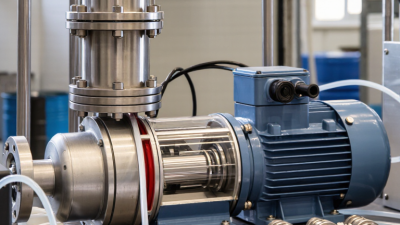
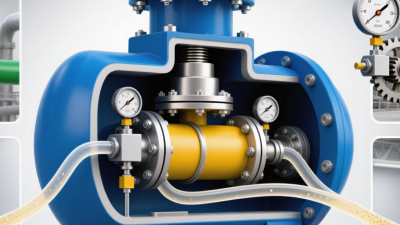
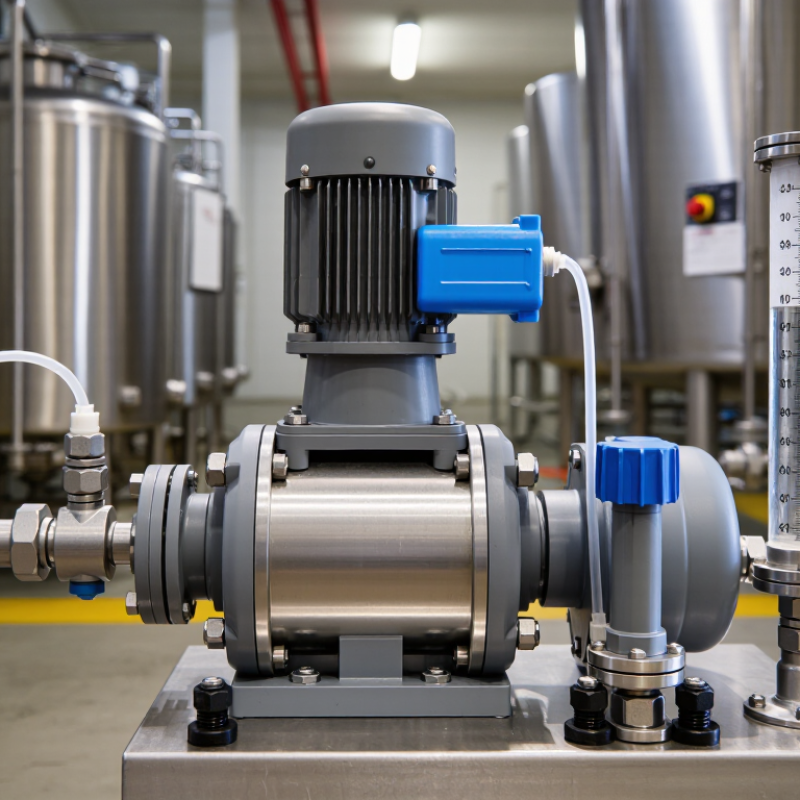
An industrial dosing pump delivers measured volumes of liquid into a process line or vessel. Its key parts include a drive, a metering head, inlet and discharge check valves, and controls for adjusting flow. The valves open and close with each stroke, helping keep liquid moving in one direction. Small details matter. A clogged valve or trapped air can make the actual dose differ from the setting.
Common mechanisms include diaphragm, plunger, and peristaltic designs. A diaphragm pump flexes a membrane to move liquid while separating it from the drive. A plunger pump pushes liquid through a sealed chamber; seal wear can affect performance. Peristaltic pumps squeeze flexible tubing, which can simplify cleaning but makes tubing condition important. Operators should check actual output under working pressure, not rely only on a dial setting. Viscosity and gas bubbles can also change delivery.
The U.S. Department of Energy’s 2006 report, Improving Pumping System Performance, estimates that pumping systems use nearly 20% of global electricity and 25–50% of energy in some industrial facilities. Those figures cover pumps broadly, not dosing pumps alone, but they underline the value of matching pump type and controls to the process. In practice, the best choice is not always obvious. Regular calibration helps reveal drift before it affects a batch or treatment step.
Industries and Processes That Use Dosing Pumps
Industrial dosing pumps deliver controlled amounts of liquid into a process, even when a pipeline is pressurized. Water treatment plants use them to feed disinfectants, pH-adjusting chemicals, and coagulants. Operators may adjust the pump as water quality changes through the day. Small changes matter.
Food and beverage facilities use dosing pumps for ingredients such as flavorings, preservatives, and cleaning solutions. Contact materials must suit the liquid and the required hygiene practices. Pharmaceutical production also uses precise liquid dosing, including for formulations and cleaning systems. Here, documented settings and routine checks help keep batches consistent. The pump alone cannot guarantee product quality.
In agriculture, pumps meter liquid fertilizers into irrigation lines, where uneven flow can leave some rows underfed. Power stations may dose treatment chemicals into boiler water to limit scale and corrosion. In each setting, engineers consider flow rate, pressure, chemical compatibility, and how easily the pump can be cleaned or serviced. A neat number on a specification sheet can still mislead: actual performance may shift with temperature, viscosity, or worn components. Operators should verify delivery under real operating conditions, not just trust the dial.