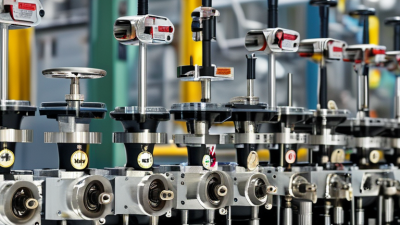
Choosing the right Dosing Pumps starts with the process, not the product brochure. A pump that looks suitable on paper may struggle when fluid viscosity changes, suction lines run long, or a chemical crystallizes near the injection point. The details matter. Before comparing models, define the required flow rate, discharge pressure, fluid properties, and control method. Then check how accurately the pump performs across its actual operating range—not only at its maximum rating.
A reliable selection also depends on materials, maintenance access, and the behavior of the full dosing system. For example, a compact pump may fit neatly beside a treatment tank, yet leave little room to replace a diaphragm or inspect a check valve. Small details can become expensive downtime. A useful engineering principle is: “Choose for the real operating conditions, not the ideal ones.” I cannot verify a named expert’s original quotation from the information provided, so this line is presented as an editorial principle, not a sourced quote. Treat it as a prompt to ask better questions. How will the pump handle pulsation? Is calibration straightforward? What happens when the fluid temperature shifts? The best choice is rarely the most powerful pump. It is the one that delivers stable, measurable dosing under the conditions your process actually faces.
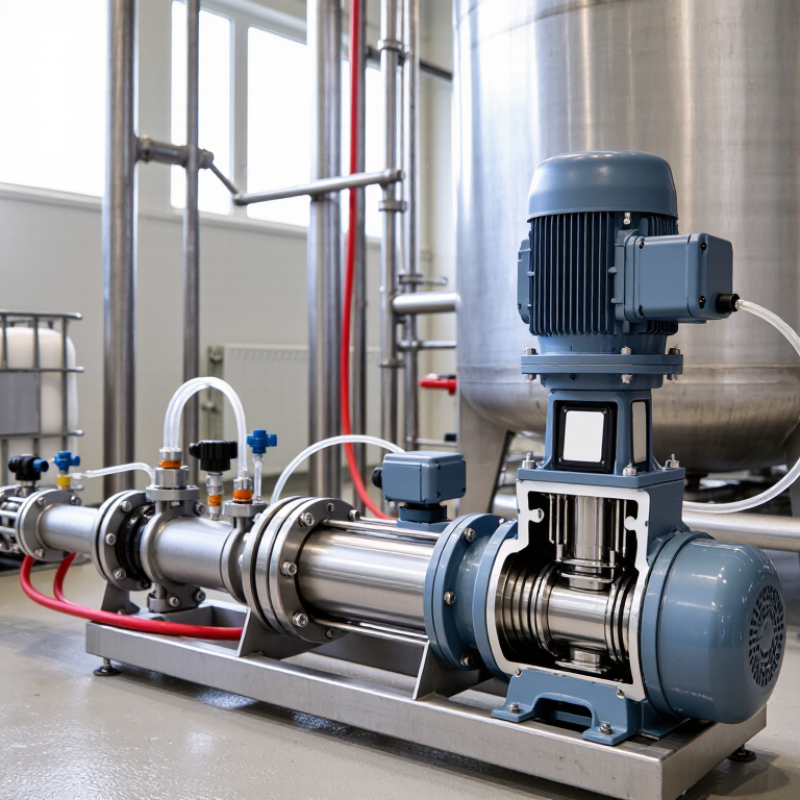
A dosing pump moves a controlled volume of liquid into a process, often at a steady rate or in measured pulses. Its operating principle affects accuracy, maintenance, and how it handles the fluid. Diaphragm pumps use a flexible membrane to displace liquid, while piston pumps move a sealed plunger. Peristaltic pumps squeeze flexible tubing, keeping the liquid separate from internal pump parts. Each design has trade-offs. A viscous fluid, for example, may not feed smoothly through every pump.
Selection starts with the actual duty, not just the maximum flow listed on a specification sheet. Check required flow, discharge pressure, fluid viscosity, temperature, and chemical compatibility. Pulsation can matter, too. A small injection line may show uneven flow even when the average rate looks correct. Confirm performance under your operating conditions, and calibrate the pump after installation. A tidy specification sheet can still mislead; real setup details sometimes change the result. No pump is perfect.
Tips: Measure the liquid’s flow over a set time, then compare it with the target. Check valves and tubing for wear, and watch for trapped air. Record settings and readings. This simple habit makes drift easier to spot, though calibration methods vary by pump type. When requirements are uncertain, ask a qualified pump or process specialist to review the application.
How to Choose the Best Dosing Pumps?
Identifying Fluid Properties and Application Requirements
Selecting a dosing pump begins with the fluid, not the catalog. Water-like liquids behave differently from viscous polymers, slurries, or fluids that thicken as they cool. Record viscosity at operating temperature, density, vapor pressure, and the size of any suspended particles. Measure it warm. That detail can explain poor priming or uneven delivery during a cold start. Check chemical compatibility for every wetted part, including seals, valves, tubing, and the pump head. Compatibility charts are useful, but verify them against the fluid’s concentration and temperature.
Define the duty cycle and required flow rate, including peak demand and discharge pressure. A pump sized only for average flow may fall short during startup. Consider the needed adjustment range, dosing frequency, and whether pulsating flow could disrupt the process. Long suction lines, entrained gas, and solids can affect repeatability. Watch the actual stroke. For accurate dosing, plan to calibrate under real operating conditions rather than relying only on clean-water specifications.
Some estimates will be imperfect, especially when fluid properties change during production. Leave room to verify performance with the actual liquid before finalizing the setup. If the fluid is abrasive, assess wear and maintenance access alongside chemical resistance. Note the expected temperature range, cleaning method, and available space around the pump. Small details matter. A short trial can reveal air locking, inconsistent flow, or material issues that a specification sheet may not show.
| Pump type | How it meters fluid | Fluid properties to consider | Typical strengths | Common applications | Key selection checks |
|---|---|---|---|---|---|
| Solenoid diaphragm | A reciprocating diaphragm displaces a set volume with each stroke; output is adjusted by stroke length or frequency. | Best suited to relatively clean, low-viscosity liquids. Check chemical compatibility and whether the liquid contains gas or suspended particles. | Compact metering and straightforward adjustment for many water-treatment chemicals; flow is pulsating. | Water treatment, chemical injection, and small-scale process dosing. | Confirm required flow and discharge pressure, turndown, materials, and the effect of backpressure on calibration. |
| Motor-driven diaphragm | A motor-driven mechanism moves a diaphragm through a controlled stroke to meter liquid. | Typically selected for clean or lightly contaminated liquids; viscosity limits depend on pump design, speed, and suction conditions. | Suitable for steady process dosing and a broad range of flow and pressure duties; pulsation control may be needed. | Industrial chemical feed, treatment systems, and process injection. | Check diaphragm and valve materials, minimum suction pressure, operating pressure, control method, and required metering accuracy. |
| Peristaltic | Rollers or shoes compress a flexible tube, moving fluid through the tube without contact with the pump mechanism. | Can handle some viscous, shear-sensitive, or particle-bearing fluids, subject to tube size and the fluid’s compatibility with the tubing. | Wetted fluid contacts only the tube; reversing flow and dry running may be possible within design limits. Tube wear and pulsating flow are considerations. | Laboratory dosing, water treatment, slurries, and applications where quick tube replacement is useful. | Verify tube chemical compatibility, pressure rating, particle size, expected service life, and flow variation as tubing wears. |
| Progressive cavity | A rotating rotor moves sealed cavities through a stator, producing continuous displacement. | Often suited to viscous fluids and some solids-bearing mixtures. Abrasive particles, elastomer compatibility, and temperature can affect wear and performance. | Handles difficult fluids with relatively low pulsation; rotor and stator wear must be considered. | Sludge, polymer solutions, viscous chemicals, and industrial dosing of challenging fluids. | Match stator material to the fluid and temperature; check solids loading, pressure, dry-run risk, and maintenance access. |
| Gear | Rotating gears trap and carry liquid from inlet to outlet in a near-continuous flow. | Generally best for clean, lubricating liquids, including many higher-viscosity fluids. Abrasive solids can damage clearances and gear surfaces. | Smooth flow and useful performance with compatible viscous liquids; flow can vary with pressure and internal leakage. | Oils, lubricants, resins, and other clean process liquids. | Check viscosity range, solids exclusion, seal and material compatibility, inlet conditions, pressure, and relief protection. |
Selection note: Performance limits vary by pump design and operating conditions. Confirm the fluid’s viscosity at operating temperature, chemical compatibility, solids content, required flow and pressure, suction conditions, and control accuracy against the pump’s technical specifications.
Comparing Pump Types, Accuracy, and Flow Rate
Dosing pump types suit different fluids and operating conditions. Diaphragm pumps handle steady chemical dosing and can produce consistent output against changing pressure. Peristaltic pumps move fluid through replaceable tubing, keeping it away from internal moving parts. That can help when cleanliness matters, though tubing wears over time. Piston pumps can deliver precise, repeatable doses, but seals and fluid compatibility need careful attention. Small details matter.
Accuracy is not a single number on a datasheet. Check whether the stated tolerance applies at your intended flow rate, pressure, and fluid viscosity. A pump tested with water may behave differently with a thicker liquid. Pulsation can also affect readings, especially at very low flow. Verify performance under real operating conditions when possible, and account for calibration intervals and maintenance.
Choose a flow range that puts normal operation comfortably within the pump’s controllable range, rather than at its maximum rating. A system delivering 2 liters per hour, for example, should be assessed at that rate and its actual back pressure. This comparison is not perfectly tidy: tubing age, trapped air, and installation can all shift delivery. Review the fluid’s properties, required dose accuracy, and service access before deciding.
How to Choose the Best Dosing Pumps?
Evaluating Materials, Controls, Safety, and Maintenance
A dosing pump should match the fluid, not just the required flow rate. Check every wetted part, including the diaphragm, seals, tubing, and valve seats, against the chemical and operating temperature. Chemistry is unforgiving. A material that handles one solution may swell or crack with another. Use compatibility data, then confirm details with the pump supplier or technical documentation. A neat specification sheet can still leave questions about real-world conditions.
Controls should make dosing predictable and easy to verify. Look for adjustable stroke or speed, clear flow settings, and useful alarms. For automated systems, confirm that the pump accepts the signals your process actually uses. Safety features matter, too: pressure relief, leak detection, and a way to stop dosing during an abnormal condition can reduce risk. Keep the control panel readable; wet gloves and dim rooms make tiny labels frustrating.
Maintenance affects accuracy as much as pump design. Ask how often tubing, diaphragms, or check valves need inspection, and whether routine service requires special tools. A simple maintenance log can reveal drift before it becomes a process problem. Still, planned intervals are only a starting point. Fluid quality, operating hours, and installation conditions may change wear rates. Test the delivered volume periodically, and record what you find.
Evaluation checklist: materials, controls, safety, and maintenance
The bars show the number of practical checks listed for each selection area, not a pump performance rating. Confirm wetted-material compatibility with the chemical and operating conditions; review flow control and calibration needs; check pressure protection and leak risks; and assess access to wear parts and service.
Sizing a dosing pump begins with the required flow, not the largest capacity on a catalog page. Calculate the chemical volume needed over a known operating period, then account for peak demand and planned downtime. Check the injection pressure, including elevation, pipe losses, and any pressure in the process line. Fluid viscosity and temperature matter too; a thick solution may not feed like water. Leave room for adjustment. A pump that runs near its limit may struggle when conditions change, while an oversized unit can make low-rate dosing difficult to control.
Treat the calculation as a starting point. Real installations are rarely as tidy as the drawing. After installation, verify delivery at the actual operating pressure and suction conditions. A timed catch in a calibrated vessel can reveal whether the pump’s output matches the setpoint; use a suitable, safe method for the fluid being handled. Check several settings, especially the lowest rate the system must maintain. Watch for air bubbles, leaking fittings, and pulsing that disrupts the reading. Repeat the measurement. Record the flow, pressure, fluid temperature, and adjustment setting so another operator can reproduce the check. If results drift, inspect the suction line and valves before changing the pump setting.