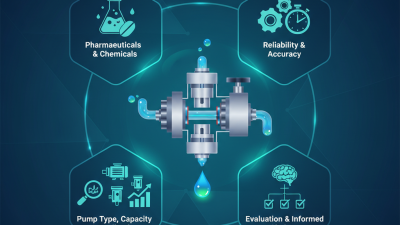
How to Choose the Best Dosing Pumps in 2026?
Choosing the best Dosing Pumps in 2026 requires more than comparing flow rates and purchase prices. The right pump must deliver stable accuracy, chemical compatibility, dependable control, and manageable maintenance. A laboratory may need microlitre precision, while a water treatment facility may prioritise rugged construction and remote monitoring. Fit matters.
This guide examines practical selection factors through an engineering and operational lens. It considers diaphragm, peristaltic, piston, and solenoid-driven designs. It also reviews materials, pressure limits, turndown ratios, calibration methods, automation options, and total ownership costs. A pump handling sodium hypochlorite needs different safeguards from one dosing a viscous polymer. Small errors compound.
Manufacturers’ datasheets provide useful starting points, but they rarely describe every installation challenge. Temperature changes, pulsation, air bubbles, worn tubing, and inconsistent suction conditions can affect performance. Field testing remains important. In my experience, the cheapest unit can become expensive when seals fail frequently or operators struggle to adjust settings. That conclusion is not universal. Process conditions vary, and some budget systems perform reliably under controlled loads.
Reliable selection should therefore combine verified specifications, supplier support, maintenance records, and operator feedback. Buyers should request performance data under realistic pressure and fluid conditions. They should also confirm applicable safety requirements and documentation before installation. This approach supports informed decisions, reduces avoidable downtime, and helps organisations choose Dosing Pumps that remain dependable throughout their service life.
What Dosing Pumps Are and How They Work
How to Choose the Best Dosing Pumps in 2026?
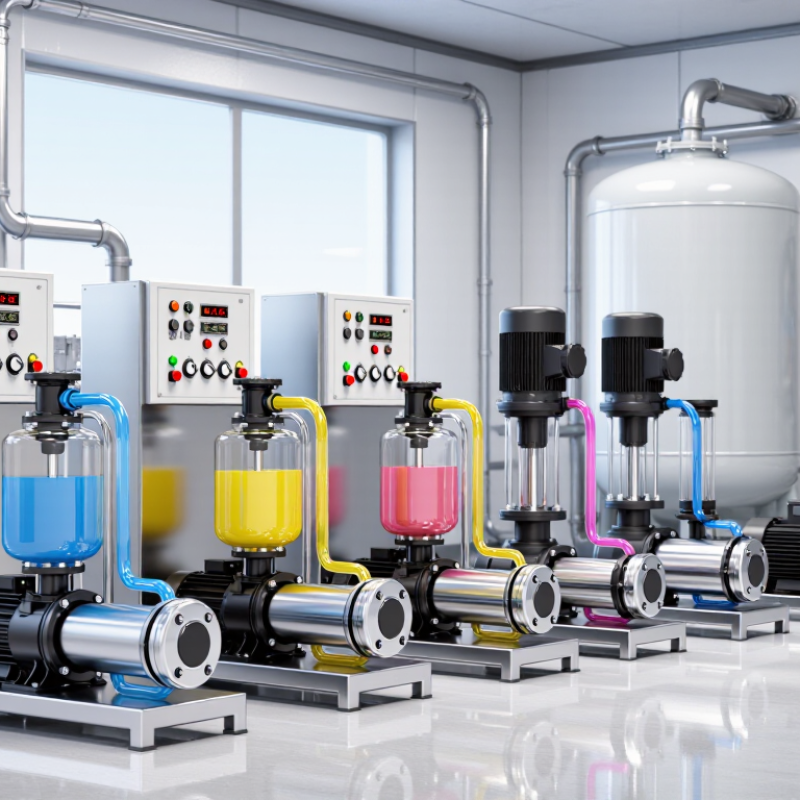
A dosing pump delivers a measured liquid volume at controlled intervals. Its core parts include a drive, pumping chamber, valves, and flow controls. A diaphragm pump moves liquid through repeated membrane strokes. A peristaltic pump compresses flexible tubing around the fluid path. Plunger pumps can provide high pressure and stable output. Selection should match flow rate, discharge pressure, viscosity, temperature, and chemical compatibility. The WHO/UNICEF Joint Monitoring Programme reported that 2.2 billion people lacked safely managed drinking water in 2022. Reliable chemical dosing remains essential for safer treatment systems. However, accuracy is not guaranteed by pump type alone.
Tips: Start with the smallest verified flow range. Confirm calibration at the actual fluid temperature. Check whether seals, tubing, and valves resist the chemical. Add flow feedback when overdosing could damage equipment. Keep a manual adjustment option. It may save a difficult shutdown.
The UNESCO World Water Development Report 2024 states that agriculture accounts for about 70% of global freshwater withdrawals. This increases demand for controlled nutrient and water-treatment dosing. In practice, operators should compare turndown ratio, pulse smoothing, maintenance access, and spare-part availability. A pump rated for extreme pressure may waste energy on a low-pressure line. A cheaper unit may also need frequent recalibration. I have seen specifications look perfect on paper, yet poor suction conditions caused uneven delivery. That is the part many buying guides miss. Test the pump with the real liquid before final approval.
Which Dosing Pump Types Fit Different Applications
Choosing a dosing pump in 2026 starts with the application, not the catalog.
For drinking-water chlorination, a solenoid-driven diaphragm pump suits clean chemicals, low flow rates, and frequent start-stop cycles. It offers precise metering in compact systems. For higher pressure or continuous industrial treatment, a motor-driven diaphragm pump usually provides stronger control and longer operating endurance. Field tests still matter. Back pressure, pipe length, and chemical temperature can change actual flow.
Viscous or abrasive fluids need a different approach. Peristaltic pumps handle slurries, polymers, and suspended solids because the fluid contacts only the tube. However, tube wear can create calibration drift.
Progressive cavity pumps manage thick fluids smoothly, but they need careful maintenance and may cost more to operate. There is no universal winner.
Application demand is expanding. FAO AQUASTAT data indicate that agriculture accounts for about 70% of global freshwater withdrawals, supporting wider use of fertigation and water-treatment dosing. The WHO and UNICEF Joint Monitoring Programme reported in 2023 that 2.2 billion people lacked safely managed drinking water services, highlighting the importance of reliable chemical dosing in treatment systems.
For 2026 selection, compare turndown ratio, pressure stability, material compatibility, control signals, and spare-part access. A laboratory accuracy figure may look impressive. Real pipelines are less polite. Temperature swings, clogged injection points, and operator habits can expose weaknesses that specifications miss.
How to Match Pump Capacity, Accuracy, and Materials
How to Choose the Best Dosing Pumps in 2026?
Selecting a dosing pump starts with the process, not the catalogue.
Calculate the required flow from chemical demand, concentration, and operating hours. Then add a practical safety margin, usually 10–20%, rather than doubling capacity without evidence. Oversizing can reduce control quality. A pump operating near its minimum stroke may pulse, drift, or waste chemical.
Accuracy matters most when treatment limits are tight. Specify expected accuracy across the full turndown range, not only at the rated point. API 675 provides a useful benchmark for controlled positive-displacement pump performance. The U.S. Department of Energy also reports that pumping systems can represent 25–50% of industrial facility electricity use, so efficient control deserves attention. A smaller, correctly matched pump may reduce energy and adjustment time. Still, that estimate varies by facility.
Tips:
Check the real chemical temperature, viscosity, and concentration. Use compatibility data, not visual judgment. PVDF, PTFE, stainless steel, and elastomers behave differently under oxidizers and solvents. Review ASTM D543 test information when plastic resistance matters. For drinking-water applications, confirm applicable NSF/ANSI/CAN 61 requirements and local rules. Keep calibration records. A spreadsheet can still lie. Field testing often reveals air locking, worn diaphragms, or inaccurate tank readings. Leave room for maintenance access, because perfect specifications cannot repair poor installation.
What Factors Matter for Safety, Control, and Maintenance
How to Choose the Best Dosing Pumps in 2026?
What Factors Matter for Safety, Control, and Maintenance
Choosing a dosing pump is less about maximum output and more about safe, repeatable control. In field inspections, I check the chemical compatibility of every wetted part first. A small material mismatch can cause swelling, cracking, or a hidden leak. The pump should also include overload protection, leak detection, and a suitable relief valve. Confirm the valve settings before operation. Never assume factory settings fit your process.
Tips:
Match the pump range to the real operating flow, not the highest possible rate. Install isolation valves on both sides for safer servicing. Use secondary containment beneath connections. Mark tubing clearly. Keep a spare diaphragm and seal kit nearby. These details save time during a cold morning repair.
Control depends on stable calibration and clear feedback. Choose equipment that supports adjustable stroke length, pulse frequency, and automatic flow correction when needed. A visible display helps operators notice abnormal readings quickly. Remote control is useful, but it should not replace local inspection. Test the actual output with a calibrated container at several settings. I once trusted a perfect control signal and missed gradual calibration drift. That was a useful reminder. No checklist catches every failure. Schedule inspections around pressure, temperature, noise, and tubing condition, not only calendar dates.
How to Compare Dosing Pumps and Make the Final Choice in 2026
Choosing the best dosing pump in 2026 requires more than comparing flow rates. The final choice should match the process, fluid, and operating routine. Start with the required dosing range, not the maximum capacity. A pump rated for 100 liters per hour may perform poorly at 2 liters per hour. Check accuracy across the full range. Review diaphragm or tubing materials against temperature, viscosity, and chemical compatibility. Small details matter. A clear calibration procedure is essential. So is stable performance during pressure changes.
Tips: Build a comparison table before requesting quotations. Include flow range, pressure rating, turndown ratio, accuracy, control signals, noise, maintenance time, and spare-part access. Ask for test data under conditions similar to your site. A polished datasheet cannot replace practical evidence. Check whether operators can adjust the pump without special tools. Observe the display in bright light and during night shifts. These details often decide long-term usability.
The final selection should also consider total ownership cost. A lower purchase price may hide frequent diaphragm replacement, difficult cleaning, or costly downtime. Calculate expected service intervals and energy use over several years. Ask an experienced technician to review the installation, especially for pulsation, suction lift, and pipe sizing. I have seen accurate pumps lose performance because the inlet line was too narrow. That mistake is easy to miss. No comparison is perfect. Leave room for trial operation, operator feedback, and one careful review before approval.