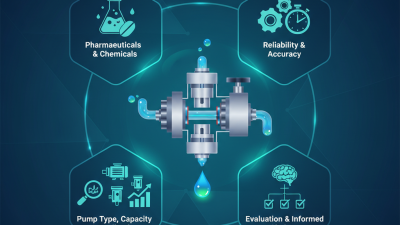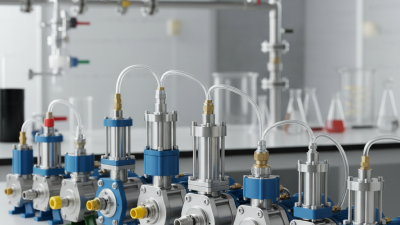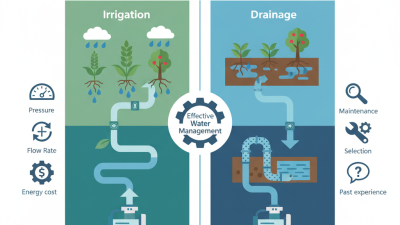
The Solenoid Dosing Pump is an essential device in many industries. It precisely controls the flow of liquids and chemicals. Experts highlight its critical role in processes requiring accuracy. Dr. Sarah Thompson, a leading specialist in fluid dynamics, states, "The Solenoid Dosing Pump is pivotal for ensuring chemical consistency in various applications."
These pumps utilize electromagnetic solenoids to achieve precise dosing. They operate by converting electrical energy into mechanical motion. This results in accurate delivery of specific volumes. Their applications range from water treatment to food processing. Each industry benefits from the reliability of a Solenoid Dosing Pump.
However, not all pumps perform flawlessly. Maintenance is crucial for optimal operation. Users often overlook routine checks. This oversight can lead to inefficiencies. Understanding the workings of a Solenoid Dosing Pump can help users avoid common pitfalls. Knowledge is key to improving performance.
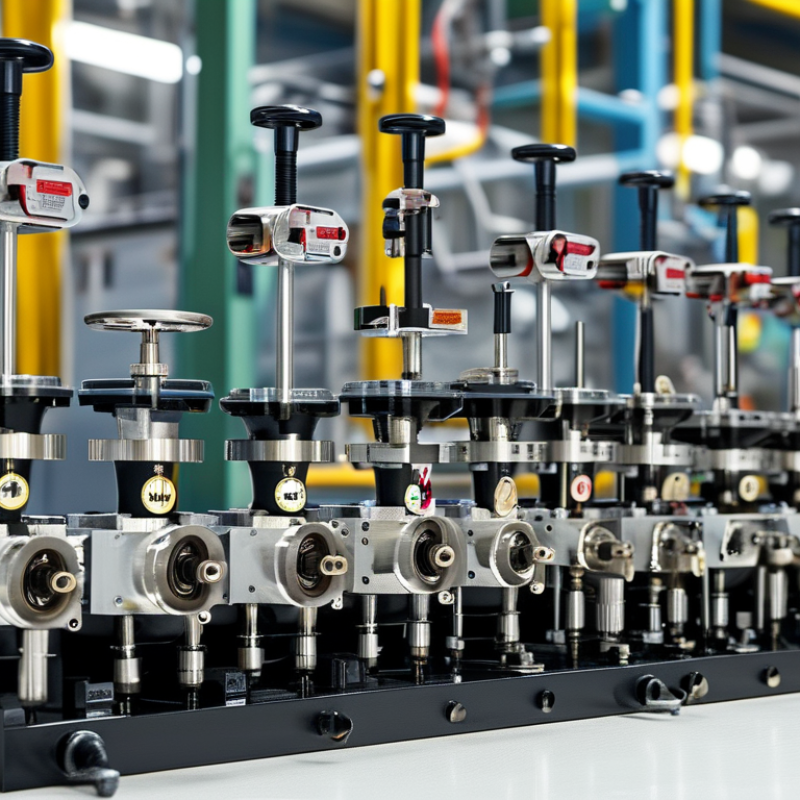
A solenoid dosing pump is a precise device used for injecting liquids. Its main function is to deliver a specific volume of fluid into a system. These pumps utilize an electromagnetic solenoid to create motion, which controls the pumping action. By energizing the coil, the solenoid moves a piston. This piston then draws in and expels the predetermined amount of liquid. The design ensures accurate dosing in various applications.
In industrial settings, solenoid dosing pumps are vital. They are commonly used in water treatment, chemical processing, and food production. Their ability to dose small amounts with accuracy makes them ideal for these scenarios. However, users should consider the pump's calibration and maintenance. Even minor errors can lead to significant issues, such as incorrect chemical concentrations or contamination. Regular checks are essential to ensure reliable performance.
Though solenoid dosing pumps are efficient, they are not without challenges. Users must be aware of the potential for wear on components. Prolonged use may result in decreased accuracy. It’s important to continually assess the system's health. Thoughtful monitoring can prevent unexpected failures. Being proactive can enhance the overall reliability of the dosing process.
| Dimension | Details |
|---|---|
| Pump Type | Solenoid Dosing Pump |
| Operating Principle | Electromagnetic actuation to precisely control flow rate. |
| Flow Rate Range | 0.1 to 100 L/h |
| Pressure Rating | Up to 3 bar (43.5 psi) |
| Common Applications | Water treatment, chemical processing, food and beverage industry. |
| Power Supply | AC or DC voltage options available. |
| Control Features | Manual control, remote control, and proportional control options. |
| Material Compatibility | Compatible with various chemicals, depending on the diaphragm material. |
| Maintenance Requirement | Low – periodic checks and replacements of diaphragms and seals. |
A solenoid dosing pump is a precise tool for transferring liquids in various industries. Understanding its key components can deepen your insights into its operation. The heart of this pump is the solenoid coil. It generates a magnetic field when energized, which leads to the movement of a plunger. This movement is what enables the pump to dispense accurate volumes of liquid.
Another essential component is the diaphragm. It isolates the hydraulic system from the motor, preventing contamination. This barrier is crucial for maintaining the liquid's integrity. The pump also features a stroke adjustment mechanism. This allows users to control the flow rate and dosing precision. Often, operators overlook the importance of routine maintenance, which can lead to performance degradation. Regular checks on the diaphragm and plunger can help maintain optimal performance.
The fluid path consists of valves and tubing. These parts guide the liquid being dosed. It's important to ensure that these components do not leak or deteriorate. Failure in any component can disrupt the entire dosing process. Understanding these key elements is essential for operators. It emphasizes the importance of awareness and proactive management in pump operations.
Solenoid dosing pumps are vital in various industries. They provide precise and controlled dosing of chemicals or fluids. Understanding their principle of operation helps in optimizing their use.
These pumps work through an electromagnetic solenoid. When electrical current passes through the solenoid, it generates a magnetic field. This action causes a plunger to move within a cylinder, creating suction and pushing fluid into a discharge line. The cycle repeats, maintaining consistent dosing.
The design is simple yet effective. However, not all applications may achieve the desired accuracy. Factors such as fluid viscosity and temperature can influence performance. Regular maintenance is crucial for reliable operation, addressing wear and tear issues. Discrepancies in dosing can lead to operational challenges, making attention to detail essential.
This chart illustrates the flow rate performance of solenoid dosing pumps at different settings, showcasing their operational efficiency.
Solenoid dosing pumps play a crucial role in various industries. Their applications are vast, from
water treatment to chemical processing. In agriculture, these pumps ensure precise fertilizer and pesticide application.
They help maintain the right chemical balance, which is vital for crop health. An accurate dose can be the difference
between a thriving harvest and a failed one.
In the water treatment sector, solenoid dosing pumps inject disinfectants into the supply. This process ensures that the
water is safe for consumption. However, improper calibration can lead to either under-dosing or over-dosing. Both scenarios
can result in health risks. Similarly, in food processing, these pumps deliver precise amounts of flavors and preservatives.
This precision is critical for maintaining product consistency. Yet, any malfunction could compromise food safety.
These pumps are also essential in pharmaceuticals. They help in the delivery of active ingredients in precise quantities.
This accuracy is necessary to adhere to strict industry regulations. However, maintaining these pumps requires ongoing
monitoring and maintenance. Any neglect could affect their reliability, ultimately impacting production quality.
The importance of quality control cannot be overstated in these settings.
Solenoid dosing pumps require regular maintenance to ensure optimal performance. According to industry reports, nearly 30% of pump failures stem from inadequate upkeep. Checking the diaphragm for wear and tear is crucial. A worn diaphragm can lead to inaccurate dosing and may even cause leaks. Replace it when you notice signs of damage.
In addition to diaphragm checks, you should also inspect the electrical connections. Loose wires can lead to intermittent operation. Proper torque specifications for fittings can prevent mechanical failures. Also, keep an eye on the pump's calibration. An out-of-spec calibration can lead to over- or under-dosing, which can potentially compromise system effectiveness.
Troubleshooting solenoid pumps often requires a systematic approach. Start with a visual inspection. Look for any signs of leaks or unusual noises. A consistent ticking sound may indicate a clogged filter. It's vital to address any issues immediately. Ignoring them can escalate into more significant problems. Regular upkeep ensures not only prolonged pump life but also reduces downtime, ultimately improving operational efficiency.