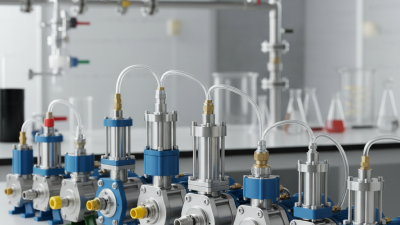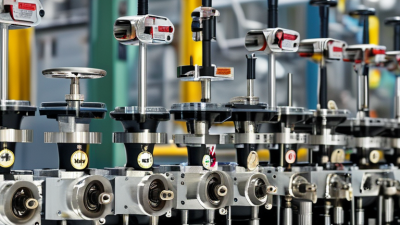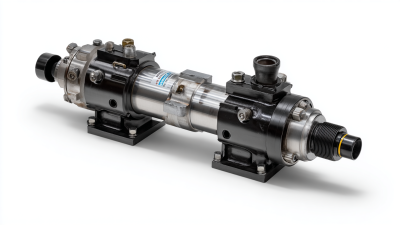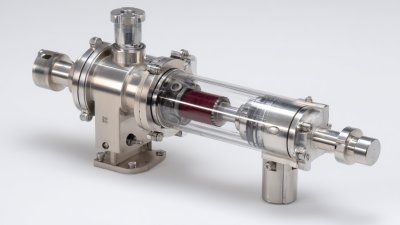
In the dynamic landscape of industrial equipment, metering pumps play a crucial role. These devices ensure precise fluid transfer in various applications, from chemical processing to wastewater management. For global buyers seeking reliable solutions, understanding the top metering pumps in China is essential.
China’s market offers diverse options, yet navigating it can be challenging. Many buyers might feel overwhelmed by the choices available. It is vital to consider factors such as pump materials, accuracy, and applications. This guide aims to highlight the best metering pumps, simplifying the selection process for buyers.
While the available options are numerous, not every pump suits every need. Some may deliver impressive specifications but fail in real-world applications. Therefore, understanding your specific requirements will lead to better decision-making. Recognizing potential pitfalls can save time and resources. Quality metering pumps enhance efficiency and reduce operational costs. With thoughtful consideration, buyers can find the perfect match for their needs.
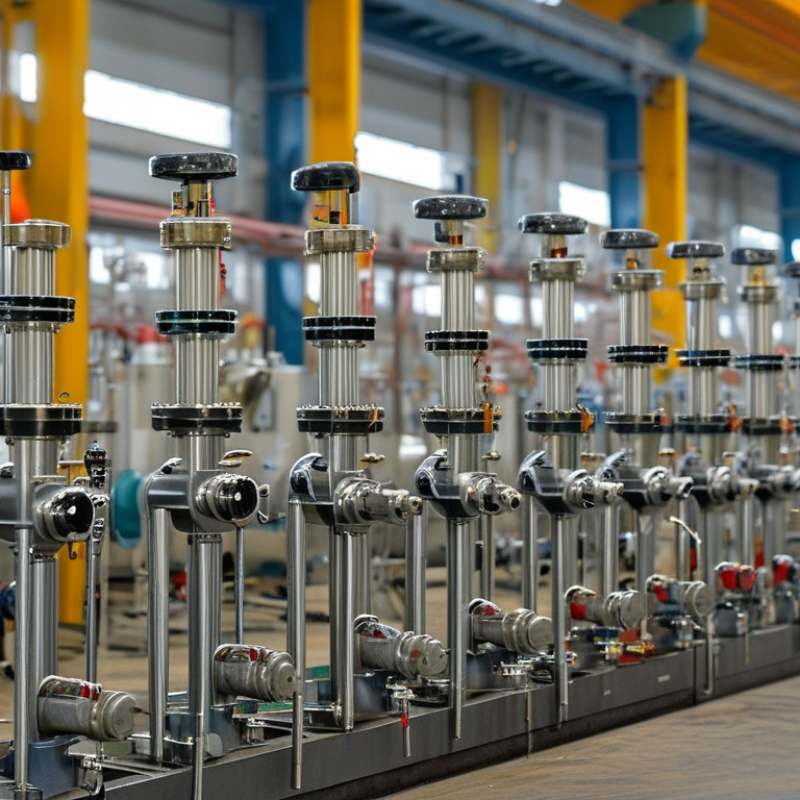
Metering pumps are crucial in various industries. They ensure accuracy and consistency in fluid transfer and dosing. In chemical manufacturing, these pumps deliver precise quantities of raw materials. In water treatment, they facilitate chemical dosing for effective purification. Their ability to handle corrosive and viscous liquids makes them invaluable in many applications.
When selecting a metering pump, consider flow rate and pressure requirements. Look for pumps with easy maintenance features. Many pumps offer digital control options, enhancing accuracy. Ensure compatibility with the fluids being handled. A mismatch can lead to pump failure or contamination, which can be costly.
Understanding the different types of metering pumps is important. Gear pumps, diaphragm pumps, and piston pumps each serve unique purposes. Their performance varies based on operational conditions. Experimenting with different pumps can help in finding the right fit. Reflecting on past experiences with pump failures can also inform better purchasing decisions. Ultimately, continuous learning about pump technology will lead to more reliable operations.
Choosing the right metering pump requires careful consideration of key features. Precision is paramount; the accuracy of a metering pump can significantly impact operational efficiency. According to industry reports, pumps that offer an accuracy level of +/- 1% ensure that the exact volume of fluid is delivered. This accuracy is crucial in applications such as chemical dosing and water treatment.
Another essential feature is the pump’s compatibility with different fluids. Metering pumps might handle corrosive, viscous, or abrasive materials. Research indicates that pumps made with specific materials, such as PTFE and stainless steel, can improve durability and performance in challenging environments. Additionally, understanding the flow rate, typically measured in liters per hour, helps determine the pump’s suitability for a specific application.
Installation and maintenance are often overlooked but vital aspects. Some metering pumps require more effort to install and service, which could lead to increased downtime. Industry studies show that models designed for easy maintenance can save substantial time and costs in the long run. It's crucial to weigh the upfront costs against potential savings when assessing options.
When considering metering pumps, global buyers need to understand their options in China. The Chinese market is rich with various manufacturers offering a wide range of metering pumps. According to a report by MarketsandMarkets, the metering pump market in Asia is expected to grow at a CAGR of 6.7% by 2025. This growth is fueled by the rising demand in industries like water treatment, chemical processing, and oil and gas.
Choosing a manufacturer can be tricky. It’s crucial to assess aspects such as product reliability, production capacity, and after-sales support. Some manufacturers focus solely on the domestic market, which might limit their experience in global distribution. Relevant industry data shows that manufacturers with ISO certifications tend to maintain higher quality standards and reliability. Hence, priorities should include evaluating certifications and the manufacturer's reputation in the industry.
Buyers should consider the specific application of the pumps. Different applications require different pump types. A basic understanding of your needs will guide you to the right choice. Always check for local regulations concerning pump specifications. It’s often helpful to engage with suppliers who can provide tailored solutions based on your particular requirements. Ensure to ask for reference cases similar to your project to gauge their capability.
Choosing the right metering pump can be a challenge. Two popular types are diaphragm and gear pumps. Understanding their differences is crucial for making an informed decision.
Diaphragm pumps are known for their precise flow control. They use a flexible diaphragm to create a vacuum for drawing in fluids. This design helps prevent backflow, making them ideal for applications requiring accurate dosing. They also handle a wide range of fluid viscosities. However, they may require more frequent maintenance due to wear on the diaphragm. Users must regularly inspect and replace components for optimal performance.
Gear pumps, on the other hand, offer high efficiency and durability. They utilize rotating gears to move fluid, allowing for a consistent flow. This makes them suited for applications involving thick or viscous fluids. Yet, gear pumps may not be as precise as diaphragm pumps. When dealing with sensitive chemicals, this lack of precision can lead to issues. Therefore, selecting between these two types should factor in application needs and specific performance requirements.
The metering pump industry is experiencing significant growth. As industries evolve, the demand for accurate fluid dosing systems continues to rise. Innovations in metering pump technology are reshaping the market. These advancements include improved precision, versatility, and energy efficiency.
New materials are making pumps more resilient against corrosive substances. Digital monitoring features offer real-time data, enhancing efficiency. However, the balancing act between cost and technology can be challenging. Many buyers may feel overwhelmed by the options available. A detailed understanding of specific demand is essential.
Sustainability is becoming a pivotal factor in purchasing decisions. Companies are increasingly seeking eco-friendly solutions. This movement is influencing product development within the industry. Yet, manufacturers face hurdles in meeting these expectations. Continuous research and adaptation will be necessary as market needs evolve. Keeping an eye on these trends can guide buyers toward smarter choices in metering pump technology.