A High Pressure Pump is judged by more than its maximum discharge pressure. Flow stability, materials, seal design, service access, and energy use all matter once a pump runs for long shifts. The U.S. Department of Energy’s Improving Pumping System Performance sourcebook estimates that pumping systems use nearly 20% of global electricity demand. It also notes that they can consume 25–50% of energy in some industrial facilities. That figure is not specific to high-pressure pumps, but it shows why efficiency deserves careful attention.
China has a broad pump industry, serving water treatment, mining, chemical processing, power generation, and other demanding applications. This guide to the China Top 10 High Pressure Pump Manufacturers is intended as a practical starting point, not a universal ranking. Manufacturer capabilities vary by pump type, operating pressure, materials, and project requirements. Buyers should check current product data, test documentation, factory experience, and after-sales support. For applicable centrifugal pumps, ISO 9906 provides methods for hydraulic performance acceptance testing; it does not certify a supplier or guarantee suitability for every installation. Small details matter. A clear curve at the required duty point can be more useful than a bold catalog claim. Still, public information may be incomplete, and rankings can miss that. Treat each company as a candidate, then verify the model against the actual operating conditions before making a decision.
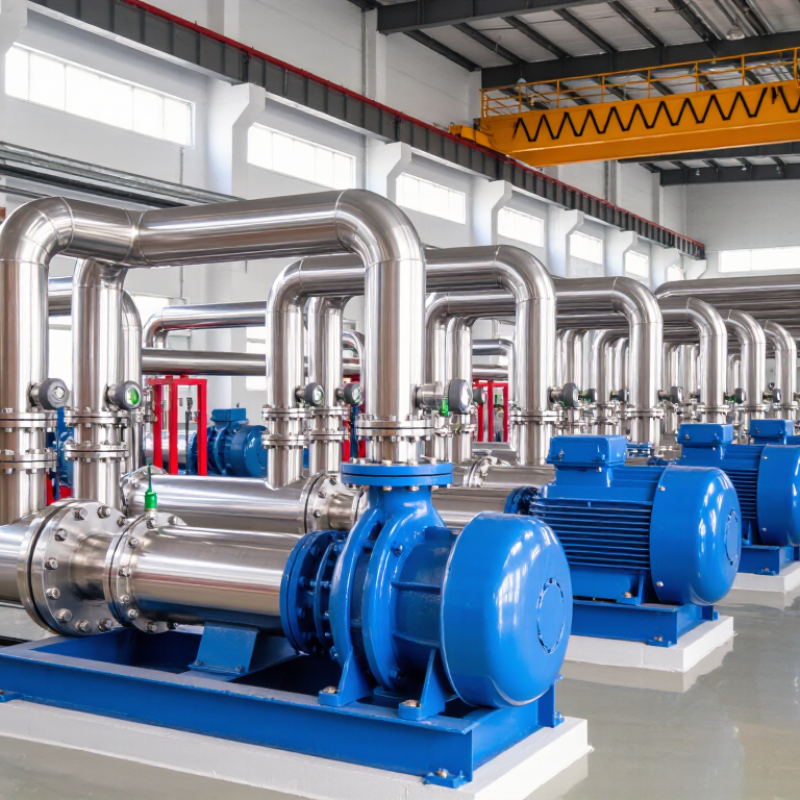
A high-pressure pump moves liquid while creating enough pressure to overcome resistance in pipes, nozzles, or process equipment. It does not make pressure without limits; the system’s resistance and the pump’s controls shape the working pressure. In many industrial applications, a positive-displacement design uses a piston or plunger that moves back and forth inside a chamber. Small parts, big force.
As the plunger retracts, an inlet valve opens and liquid enters. On the forward stroke, the inlet closes and an outlet valve opens, sending liquid into the discharge line. Repeated strokes create flow, while pressure rises when the liquid meets resistance. A relief valve and correctly selected pressure gauge help operators monitor and control this process.
Flow may pulse slightly, so dampeners are sometimes used.
Pump selection depends on more than the highest pressure listed on a specification sheet. The required flow rate, liquid viscosity, temperature, operating hours, and inlet conditions all matter. Poor supply flow can cause cavitation, which may sound like gravel rattling inside the pump and can damage components.
One detail is easy to underestimate: seals wear, and performance changes over time. Checking pressure, leakage, vibration, and fluid temperature gives a more realistic picture than relying on one gauge reading.
China’s high-pressure pump industry is best understood as a supply chain, not a single group of factories. Upstream suppliers provide castings, motors, seals, bearings, and control components. Pump makers then engineer hydraulic ends, assemble units, and test pressure, flow, vibration, and temperature. System integrators combine pumps with pipes, valves, sensors, and control cabinets for specific projects. Service firms handle installation, spare parts, and maintenance. The picture is not perfectly tidy: companies may cover several roles, while capabilities vary widely.
Demand comes from water treatment, mining, power generation, chemicals, and other process industries. Each application sets different requirements. A mine may need abrasion-resistant parts; a treatment plant may prioritize steady pressure and efficient operation. Buyers should compare operating conditions, test records, materials, and service access—not pressure ratings alone. Small details matter.
China’s National Bureau of Statistics reported that manufacturing value added grew 5.0% in 2023. This is economy-wide data, not a pump-sector measure, so it should not be read as proof of pump growth. It does, however, provide context for the broad manufacturing base supporting the sector. A useful industry map separates component suppliers, pump producers, project integrators, and after-sales networks, then checks each supplier’s role directly. The boundaries can be blurry.
High-pressure pump suppliers serve several application segments. The chart shows indicative operating-pressure ranges, not market shares; actual specifications vary by equipment and use case.
Indicative ranges in bar: industrial cleaning, hydraulic systems, pressure testing, and waterjet cutting.
Who are China’s top 10 high-pressure pump manufacturers? The answer depends on the job, because a pump suited to water-jet cleaning may not fit chemical transfer or industrial pressure testing.
There is no universal ranking. That matters.
A useful shortlist should compare manufacturers by pump type, rated pressure, flow range, materials, and documented test results—not by product photos alone.
For a practical review, ask for a performance curve and clarify whether pressure and flow figures apply at the same operating point. Check wetted-part materials against the fluid, temperature, and duty cycle. A stainless-steel body, for example, does not automatically make every seal suitable for a particular liquid. Request details on factory testing, spare-part availability, warranty terms, and technical support. If possible, inspect a sample unit or arrange a witnessed test under stated conditions. Supplier claims can be incomplete; even a polished specification sheet may leave questions unanswered. Compare at least ten candidates using the same requirements, then verify current capabilities directly with each manufacturer before making a purchasing decision.
China’s high-pressure pump manufacturers supply equipment for cleaning, water transfer, testing, and process duties. Common products include plunger pumps, triplex pumps, and high-pressure piston units. Some suppliers also provide dosing systems, pump skids, spare parts, and custom configurations. Flow rates, pressure ranges, materials, and drive options vary by model.
These products serve industrial cleaning, mining, construction, power generation, and water treatment. A triplex pump may wash equipment or remove deposits from pipes, while a metering unit can deliver controlled fluid into a process line. In manufacturing plants, pumps support hydraulic testing and pressure washing.
Municipal and engineering projects may use them for pipeline testing or water-jetting work. The right choice depends on fluid, temperature, duty cycle, and maintenance access. Small details matter: seal materials, inlet conditions, and available replacement parts can affect dependable operation. A catalog can look complete, yet field needs are easy to underestimate. Reviewing operating data with a qualified engineer helps match pump capacity to the actual task.
Comparing China’s high-pressure pump manufacturers requires more than checking maximum pressure or catalog price. Start with the actual duty point: required flow, pressure, fluid temperature, and daily operating hours. Then compare pump curves and ask whether test data covers conditions close to yours. A polished specification sheet is useful, but it is not proof of performance. Details matter.
Look closely at wetted materials, seal options, machining tolerances, and the stated service interval. Ask how each supplier handles inspection, pressure testing, spare parts, and technical questions after delivery. Request sample inspection records or test reports, and check that model numbers and component specifications match the quotation. Not always easy. A low initial price may involve longer lead times or less flexible service support, so compare the full operating picture. A simple scorecard helps, but it can flatten real differences. I would leave room for a factory audit or a small trial order when the application is critical. Reliable comparisons depend on evidence, clear communication, and details that can be verified—not broad claims about being a top manufacturer.
| Comparison Dimension | What to Compare | Evidence to Request | Why It Matters |
|---|---|---|---|
| Rated pressure and operating envelope | Maximum continuous discharge pressure, allowable pressure range, and any limits at the selected flow rate. | A model-specific performance curve, datasheet, and written confirmation of the duty point and operating limits. | A maximum pressure figure alone does not establish that the pump can deliver the required flow continuously. |
| Flow rate and duty point | Required flow, pressure, fluid properties, and expected operating hours; check the complete duty point rather than a single headline rating. | Performance curves and a quotation identifying the proposed operating point and motor rating. | Matching the pump to the system can help avoid unsuitable operation, excessive energy use, or inadequate output. |
| Pump design and operating principle | Whether the application calls for a centrifugal, reciprocating positive-displacement, or other pump design. | Model documentation explaining the design, operating limits, and any required relief or control equipment. | Pump behavior, pressure capability, flow characteristics, and system requirements differ by design. |
| Wetted materials and fluid compatibility | Materials for the casing, impeller or plungers, seals, valves, and other wetted parts, matched to the fluid and temperature. | Bill of materials, material specifications, seal details, and written compatibility confirmation for the stated fluid. | Material selection affects corrosion resistance, wear, leakage risk, and service life. |
| Efficiency and power requirements | Pump efficiency at the intended duty point, absorbed power, motor rating, and expected operating conditions. | Performance data showing efficiency and power at the quoted duty point, plus the motor nameplate information. | Comparing power at the actual operating point is more useful than comparing motor size alone. |
| Pressure and performance testing | Factory test procedure, acceptance criteria, test instruments, and whether testing is performed on the quoted model. | Sample test report and the applicable acceptance standard or agreed test procedure. ISO 9906 covers hydraulic performance acceptance tests for rotodynamic pumps. | Documented testing makes it easier to verify that the supplied pump meets the agreed performance requirements. |
| Applicable design standards | Standards relevant to the pump type, service, and project specification; confirm the exact edition and scope. | Declaration of applicable standards and supporting design or inspection documents. API 610 addresses centrifugal pumps for petroleum, petrochemical, and natural gas industries; API 674 addresses reciprocating positive-displacement pumps for petroleum, chemical, and gas industry services. | A standard is relevant only when its scope matches the pump design and intended service. |
| Sealing, leakage, and safety provisions | Seal arrangement, leakage management, pressure protection, and any required monitoring or shutdown provisions. | Seal specifications, system diagram, operating instructions, and details of any recommended relief or safety devices. | High-pressure equipment requires suitable system-level safeguards as well as an appropriately specified pump. |
| Maintenance and spare-parts support | Inspection intervals, service requirements, recommended spare parts, and the availability of technical support. | Maintenance manual, parts list, warranty terms, and written details of service and spare-parts arrangements. | Support and parts availability can affect downtime and the total cost of ownership. |
| Traceability and supplier verification | Manufacturer identity, manufacturing location, model-specific documentation, and consistency between the quotation and supplied equipment. | Company registration and factory details, equipment nameplate, serial-number records, inspection documents, and references that can be independently checked. | Independent verification helps buyers assess supplier capability and confirm that documents relate to the equipment being purchased. |
Note: This table is a comparison framework, not a ranked list of ten manufacturers. Pump pressure and performance depend on the specific design, model, fluid, and operating conditions; verify all ratings and claims against model-specific documents and the project requirements.