
What are Zinc Ingots and How to Source Them Globally?

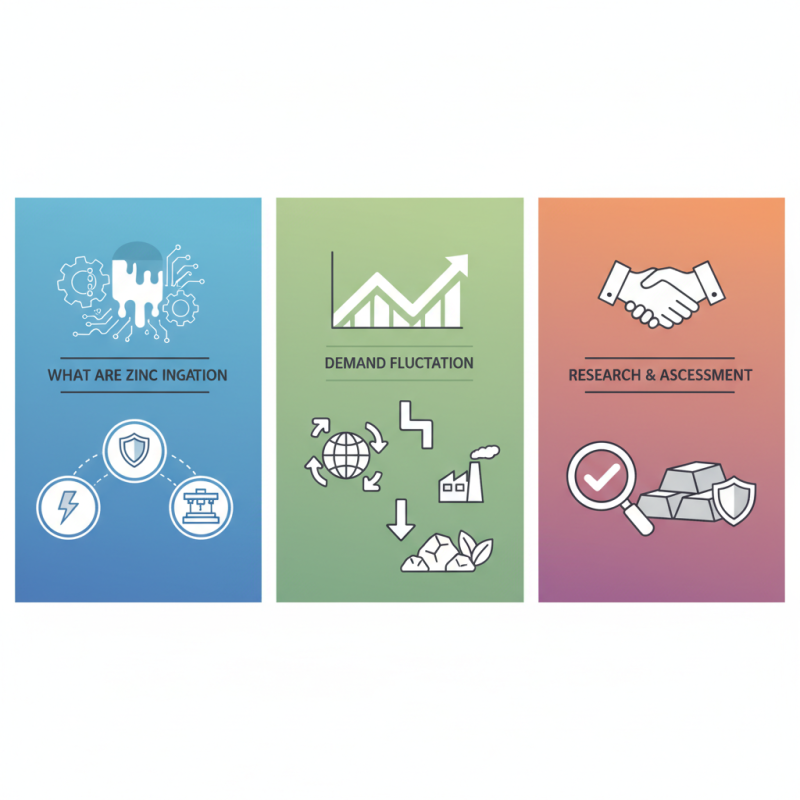
Zinc Ingots are essential materials in various industries. They are primarily used in galvanization, electronics, and die casting. Sourcing these ingots globally requires understanding the market dynamics and supply chains involved. Reliable suppliers are crucial for ensuring quality products.

In recent years, the demand for Zinc Ingots has fluctuated. Global economic changes have impacted production levels. Factors such as mining regulations and environmental concerns play significant roles. It's essential to navigate these complexities for successful sourcing.

While many suppliers exist, not all offer the same standards. It's vital to assess credibility and expertise before making transactions. You may encounter challenges when seeking high-quality Zinc Ingots. However, thorough research and evaluation can mitigate risks and lead to successful procurement.
What are Zinc Ingots and How to Source Them Globally?

Definition and Characteristics of Zinc Ingots

Zinc ingots are essential materials in many industries. Their unique properties make them valuable for various applications. Zinc is a bluish-white metal known for its resistance to corrosion and its ability to alloy with other metals. Ingots are produced by melting zinc and casting it into molds, resulting in a compact and manageable form.

One key characteristic of zinc ingots is their high purity. Industrial producers often ensure a purity level of 99.9%. This purity is crucial for applications in galvanization and battery manufacturing. Additionally, zinc ingots can withstand different environmental conditions, making them suitable for outdoor use. However, sourcing these ingots globally can present challenges. There may be inconsistencies in quality and availability depending on the region.

When sourcing zinc ingots, it is important to verify suppliers. Seek ones with a strong reputation in the industry. It is advisable to request certifications and test reports. This step helps guarantee the quality of the material. Watch for potential red flags, such as unusually low prices. These may indicate impurities or unethical sourcing practices. Building relationships with trusted suppliers fosters reliability in the long term.

Methods of Zinc Production and Purification

Zinc is a vital metal used in various industries, from construction to electronics. Understanding the production methods is essential for sourcing zinc ingots globally. Two primary methods for producing zinc include pyrometallurgy and hydrometallurgy. Pyrometallurgy involves smelting zinc ore at high temperatures. This method extracts zinc effectively but requires significant energy.

On the other hand, hydrometallurgy uses aqueous solutions to leach zinc from ores. This method is often more environmentally friendly and feasible for low-grade ores. However, it can take longer and requires careful management of chemical processes. Inefficient extraction may lead to higher costs or lower yields, prompting a need for improvements.

Purification of zinc is equally important. Electrolytic refining is often employed. In this process, impure zinc is dissolved and then re-deposited into pure ingots. It's a reliable method but can be complex. Some producers might struggle with the efficiency of the electrolytic process. Each method carries its own set of advantages and challenges. Understanding these intricacies is crucial for anyone looking to source high-quality zinc ingots.

What are Zinc Ingots and How to Source Them Globally?

Zinc Production Method Purification Technique Global Sourcing Region Average Cost (USD/kg)
Electrowinning Roasting and Leaching China 2.75
Hydrometallurgical Solvent Extraction Australia 2.90
Pyrometallurgical Electrolysis Canada 2.80
Biotechnological Filtration India 3.00

Global Sourcing Strategies for Zinc Ingots

Sourcing zinc ingots globally requires a strategic approach. Due to fluctuating market demands, it's crucial to establish reliable supply chains. Look beyond local markets. International suppliers can provide competitive pricing and quality. Researching regional markets can reveal hidden gems.

When exploring sourcing options, consider building relationships with multiple suppliers. Diversifying your sources reduces dependency on a single provider. This approach can mitigate risks related to price volatility. However, communication gaps may arise with distant suppliers. Regular follow-ups and clear agreements can help maintain a smooth workflow.

**Tips:** Verify supplier credentials through industry associations. Engage in trade forums to connect with potential partners. Don't overlook smaller suppliers; they may offer unique advantages. Conduct thorough audits to ensure the quality of products. Remember, sourcing is not a one-time effort; it requires continuous evaluation.

Key Suppliers and Market Trends in Zinc Industry

The zinc industry is shaped by key suppliers and emerging market trends. Global demand for zinc ingots is driven by sectors like construction, automotive, and electronics. Countries with robust mining operations are significant players. For instance, Australia and China remain top producers of zinc, facilitating a steady supply.

Market trends indicate fluctuating prices, often influenced by economic factors. Supply chain disruptions can occur due to geopolitical issues. While there are reliable sources for zinc, assessing quality and verifying supplier credibility is crucial. Many buyers overlook the importance of conducting thorough background checks on potential suppliers. It's easy to get caught in price competition, but this may lead to sourcing subpar materials.

Sustainability is gaining traction in the zinc industry. Many suppliers are exploring eco-friendly practices. However, challenges remain. Not all companies transparently share their sourcing and production processes. The lack of consistent industry standards can complicate responsible sourcing. Buyers must remain vigilant and inquire about supplier practices to navigate these complexities.

Zinc Ingots Global Production Overview (2022)

This chart illustrates the global zinc production by country for the year 2022, highlighting the major contributors in the zinc industry. China is the leading producer by a significant margin, followed by countries like Australia and Peru.

Logistics and Regulations in Zinc Ingots Trade

Logistics play a critical role in the global trade of zinc ingots. Efficient transportation is required to move these heavy, dense materials from manufacturers to buyers. Various modes of transport are available, including shipping, rail, and trucking. Each method has unique cost implications and transit times. Understanding these logistics is vital for businesses looking to source zinc ingots globally.

Regulatory aspects are equally important. Trade regulations can vary significantly from one country to another. Customs procedures may involve specific documentation that proves the origin and quality of the zinc. In some regions, environmental regulations impact the mining and processing of zinc. Businesses must stay informed about these regulations to avoid costly delays. Regularly reviewing compliance can be challenging but necessary.

Navigating logistics and regulations in zinc ingot trade requires a blend of expertise and adaptability. Resources are sometimes scarce, and not all suppliers may follow the same standards. This inconsistency can lead to unmet expectations and higher costs. Keeping a keen eye on the market and building reliable relationships with reputable suppliers can help mitigate these issues. Continual learning and adaptation are essential strategies for success in this competitive space.

Article Source:

Go to Top