
Why Choose 310 Stainless Steel Pipe for Your Projects?

In the realm of industrial applications, the choice of materials can make or break a project. One standout option is the 310 Stainless Steel Pipe, renowned for its high-temperature resistance and excellent corrosion protection. According to a recent industry report by Grand View Research, the global stainless steel market is projected to reach USD 215.87 billion by 2025, with 310 stainless steel gaining traction due to its unique properties.

The high nickel and chromium content in 310 stainless steel gives it superior oxidation resistance. This is critical in environments with extreme heat or corrosive conditions. Research from the Stainless Steel Institute indicates that 310 pipes can maintain their integrity up to 2100°F for short periods. Such characteristics render them highly reliable for industries like chemical processing and power generation.

However, like any material, 310 Stainless Steel Pipe is not without its challenges. It can be more expensive than standard stainless steel grades. Additionally, proper welding techniques are essential to exploit its full potential. Understanding these pros and cons is vital for making informed decisions in material selection.
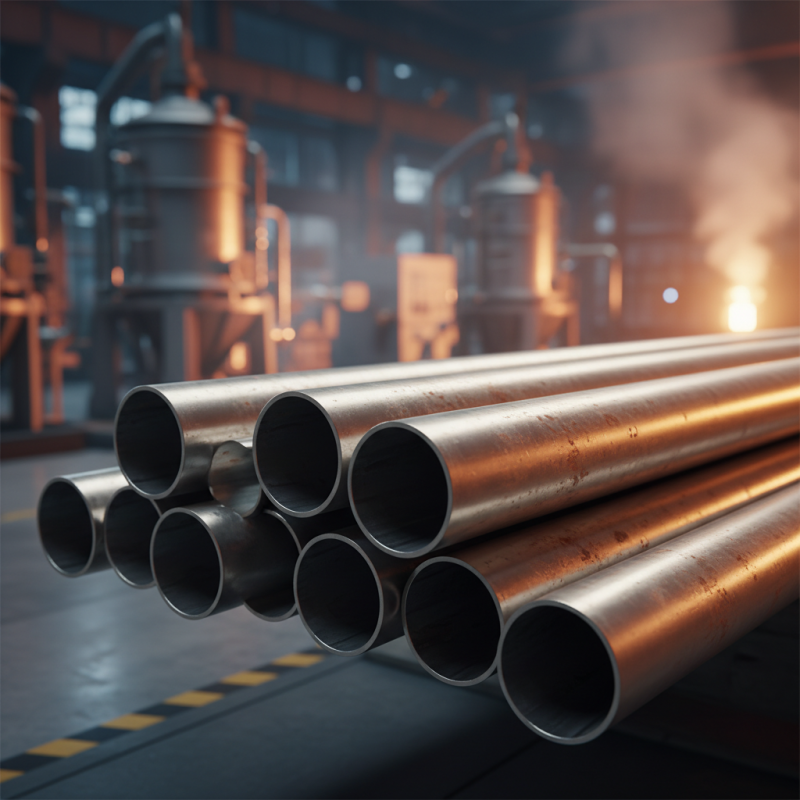
Why Choose 310 Stainless Steel Pipe for Your Projects?

Advantages of 310 Stainless Steel Pipe in Construction Projects

When choosing materials for construction projects, 310 stainless steel pipe stands out due to its impressive properties. Its high-temperature resistance makes it ideal for various applications, including those in harsh environments. The exceptional corrosion resistance helps maintain structural integrity, even in challenging conditions. This durability extends the lifespan of any project, making it a reliable choice.

In terms of mechanical strength, 310 stainless steel pipes are hard to beat. They can withstand significant stress and pressure. This quality is crucial for construction, where failure can lead to serious consequences. Choosing the right pipe can significantly impact project safety and performance.

Tips: Consider the specific environment of your project. Will it face extreme temperatures or moisture? Make sure to evaluate these factors before deciding. Also, think about the long-term costs; investing in quality materials like 310 stainless steel may save money on repairs. Balancing performance with budget constraints can be challenging, yet it's essential for a successful outcome.

Why Choose 310 Stainless Steel Pipe for Your Projects? - Advantages of 310 Stainless Steel Pipe in Construction Projects

Feature Description Benefits
High Temperature Resistance Can withstand temperatures up to 1100°C. Ideal for applications in heat exchangers and industrial furnaces.
Corrosion Resistance Excellent resistance to oxidation and corrosion. Enhances longevity and reduces maintenance costs.
Versatility Suitable for various applications, including food processing. Can be used across multiple industries for different projects.
Strength High tensile strength compared to other stainless steels. Provides structural integrity in demanding applications.
Weldability Good weldability with proper techniques. Eases fabrication and installation processes.

Corrosion Resistance: Why 310 Stainless Steel Excels in Harsh Environments

When it comes to selecting materials for projects in harsh environments, 310 stainless steel stands out. Its corrosion resistance is among the best in the stainless steel family. This property is crucial for industries such as chemical processing and oil refining, where exposure to aggressive substances is common.

The unique composition of 310 stainless steel enhances its ability to withstand oxidation. It can withstand high temperatures without losing structural integrity. This makes it suitable for applications that involve extreme heat and corrosive elements. However, despite its strengths, 310 stainless steel is not impervious to all types of corrosion. It's important to assess specific environmental factors before making a final decision.

Choosing 310 stainless steel requires careful consideration. While it excels in many areas, it is not a one-size-fits-all solution. Understanding the specific conditions of your project is vital for optimal results. Engage with experienced professionals to evaluate your needs thoroughly. This will ensure that you leverage the maximum potential of 310 stainless steel while being mindful of its limitations.

Corrosion Resistance Comparison of 310 Stainless Steel and Other Alloys

Heat Resistance Properties of 310 Stainless Steel Pipe for High-Temperature Applications

The 310 stainless steel pipe is a popular choice for high-temperature applications due to its exceptional heat resistance properties. It can withstand temperatures up to 1,100°C, making it ideal for industries like petrochemical and power generation. This material's high chromium and nickel content provides excellent oxidation resistance and the ability to maintain structural integrity under extreme conditions.

According to a report by the International Stainless Steel Forum, 310 stainless steel shows remarkable performance when exposed to thermal cycling. This is crucial for components in furnaces and heat exchangers. However, while it offers impressive durability, the cost of 310 stainless steel can be significantly higher than other materials. This presents a challenge for budget-conscious projects. Yet, the long-term benefits often justify the investment, as the reduction in maintenance and replacement costs becomes evident in the final analysis.

The mechanical properties of 310 stainless steel are another reason for its popularity. The yield strength remains stable even at high temperatures. This means less deformation under stress. However, one must consider the specific welding requirements, as improper techniques can compromise the integrity of the pipes. In conclusion, while 310 stainless steel pipes are not without their challenges, their high-temperature capabilities make them a reliable choice for demanding applications.

Cost-Effectiveness of Using 310 Stainless Steel Pipe in Long-Term Projects

When evaluating materials for long-term projects, 310 stainless steel pipe stands out. Its high resistance to oxidation is crucial for environments with extreme heat. This feature helps reduce maintenance costs over time. Projects that implement this material often witness fewer failures. The longevity of 310 stainless steel can lead to significant savings.

Using 310 stainless steel pipe may seem costly at first. However, its durability often offsets initial expenses. The material withstands corrosive elements, which lessens replacements. Fewer repairs save both time and money. In some cases, using less durable materials results in ongoing costs. This can lead to budget overruns and project delays.

Choosing the right materials requires careful thought. While 310 stainless steel pipe is beneficial, it may not be ideal for every application. Assessing project requirements is essential. Some projects may prioritize initial costs over longevity. Balancing immediate and long-term needs is a challenge. Engaging with experts can guide informed choices, ensuring successful project outcomes.

Versatility of 310 Stainless Steel Pipe in Various Industrial Applications

310 stainless steel pipes are widely recognized for their versatility across various industrial applications. This alloy thrives in high-temperature environments, thanks to its enhanced chromium and nickel content. It withstands temperatures up to 1150°C while maintaining structural integrity, making it ideal for industries like aerospace and petrochemical.

A recent industry report indicates that the demand for high-temperature resistant materials like 310 stainless steel is projected to grow by 6.5% annually over the next five years. This growth stems from the need for increased efficiency in industries like power generation and oil refining. The alloy's ability to resist oxidation and corrosion further proves valuable in these sectors. However, users must ensure proper welding techniques to prevent environmental deterioration.

The adaptability of 310 stainless steel pipes extends into food processing and pharmaceutical industries as well. These sectors require materials that can handle sanitary conditions while maintaining resistance to harsh cleaning agents. Yet, some users report challenges in sourcing high-quality 310 stainless steel pipes, highlighting a need for improvement in supply chain reliability.

Go to Top