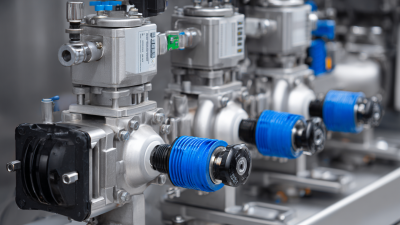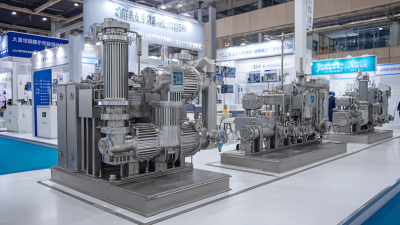
When choosing a Diaphragm Metering Pump, expert insights can make a significant difference. Dr. Emily Thompson, a leading authority in fluid dynamics, states, "The right pump can transform your process efficiency." Her words highlight the importance of selecting a suitable diaphragm metering pump for your specific application.
Choosing the right diaphragm metering pump involves understanding your unique requirements. Factors like flow rate, pressure, and chemical compatibility matter greatly. Many users overlook these details, leading to inefficient pumping and increased costs. It's vital to evaluate these elements carefully.
Moreover, consider the brand reputation and reliability of the pump. Some manufacturers have long histories of innovation, while others may lack proven reliability. A pump's design can reveal its capability. Look for quality materials and robust construction. A well-made diaphragm metering pump can endure various operational stresses, ensuring longevity.
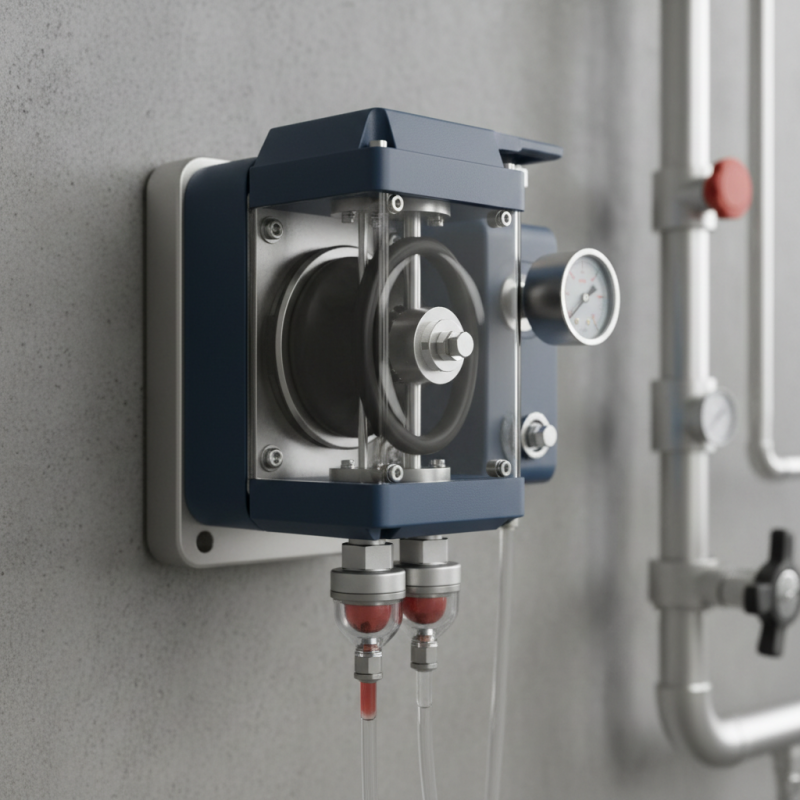
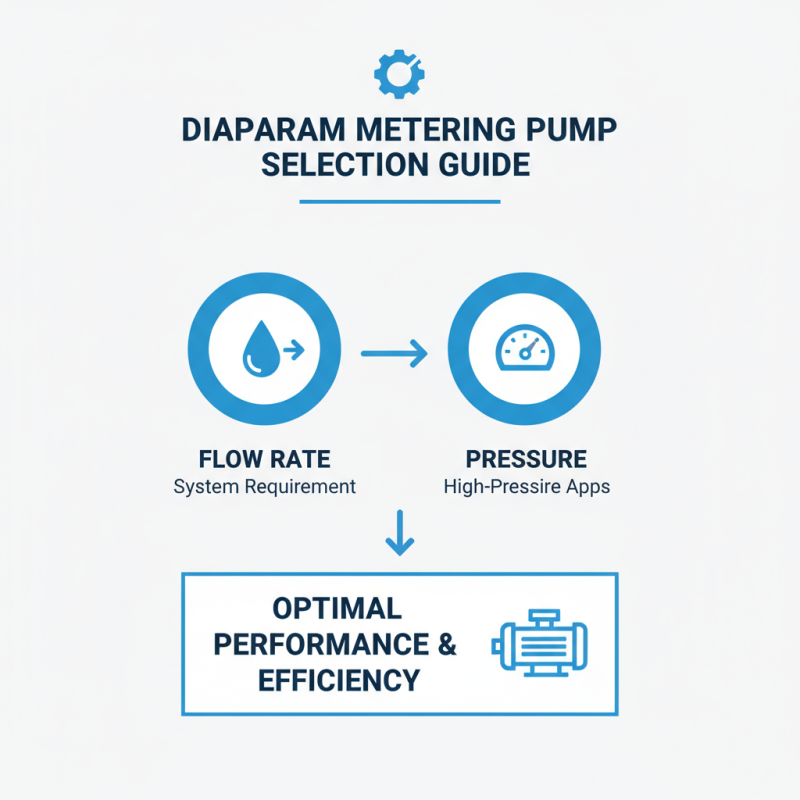
When selecting a diaphragm metering pump, it’s essential to focus on key factors. The pump's flow rate is crucial. Determine your system's required flow. This influences efficiency and operation. An appropriate flow rate ensures optimal performance. Consider pressure specifications as well. High-pressure applications need specialized pumps.
Another vital aspect is the material compatibility. Diaphragm pumps handle various fluids. Ensure the construction materials resist the chemicals involved. This prevents corrosion and damage over time. Performance may decline if the wrong materials are chosen. Assess any maintenance needs as well.
Pump efficiency and noise levels should not be ignored. A noisy pump can disrupt operations. Look for options that balance performance with quiet operation. A strong warranty signifies reliability, but it's also essential to evaluate reviews. An in-depth understanding of these factors ensures you choose wisely, avoiding costly mistakes.
When choosing a diaphragm metering pump, understanding specifications and performance ratings is crucial. The pump's flow rate, pressure capabilities, and materials used all play a vital role in its effectiveness. Industry reports indicate that about 30% of pump failures can be attributed to improper specifications. Hence, knowing the exact requirements of your application is essential.
Evaluate the pump's maximum pressure rating and flow capacity. For example, a pump with a flow rate between 1 to 100 gallons per minute can cater to diverse applications. However, always consider the peak demands of your process. Additionally, check compatibility with the fluids being pumped. Some materials can corrode or degrade, causing performance issues.
Tip: Pay attention to the pump's efficiency ratings. Pumps with higher efficiency can reduce operational costs in the long term. A report by the Hydraulic Institute found that energy savings can reach up to 20% with the right selections. Assess performance ratings in various conditions to ensure reliability. Also, ensure the manufacturer provides complete technical data and support documentation. Only then can you achieve optimal performance.
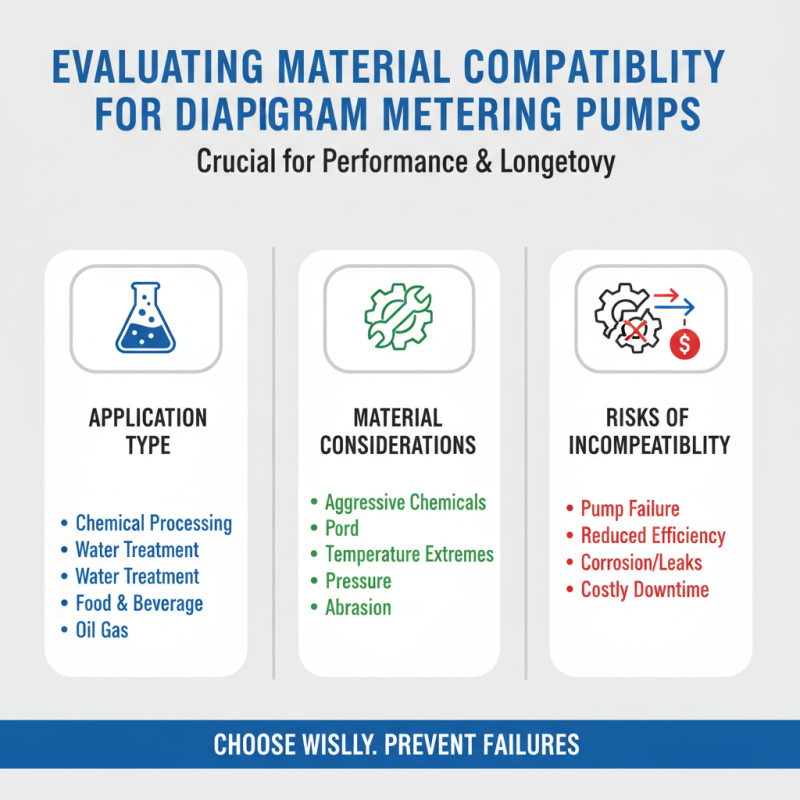
When choosing a diaphragm metering pump, understanding material compatibility is crucial. Different applications require specific materials that can withstand unique conditions. For instance, chemical processes often involve aggressive substances that may corrode certain materials. Choosing the wrong material can lead to pump failure, decreased efficiency, and costly downtime.
Consider the environment where the pump will operate. Factors like temperature, pressure, and chemical exposure are vital. If the diaphragm and fittings cannot resist these conditions, you may encounter leaks. This not only affects performance but can pose safety risks. Testing various materials in controlled settings can provide insights, but it requires time and resources. It's essential to evaluate both the chemical compatibility and physical attributes of materials.
Even with the right material, issues may arise. Variations in chemical compositions can alter how materials react over time. Ongoing monitoring is necessary to ensure continued performance. Failure to do so can lead to serious operational challenges. Therefore, collaboration with knowledgeable suppliers is critical to address these complexities effectively. Your expertise in material selection will directly impact the success of your applications.
When selecting a diaphragm metering pump, it's crucial to compare pump designs and technologies. Understanding the different types of diaphragm pumps available can significantly impact your choice. There are electrically operated and pneumatically actuated pumps. Each design has unique advantages. For instance, electrically operated models can provide precise flow rates, while pneumatic ones are often more durable in harsh environments.
Consider the materials used in diaphragms. The right material can enhance performance and extend the pump's longevity. Fluoropolymer diaphragms resist corrosion. Rubber diaphragms are more flexible but may wear faster. Assess your application's specific needs. This helps in selecting the material that will perform best under your conditions.
Tip: Evaluate the maintenance requirements of each pump type. Some designs may need more frequent servicing. Failing to address this may lead to downtime and increased costs. It's wise to understand how easy it is to replace parts, like the diaphragm itself. A complex design can complicate repair tasks. Understanding these details can enhance reliability and efficiency in your operations.
| Pump Type | Flow Rate (L/h) | Max Pressure (bar) | Pump Material | Drive Type |
|---|---|---|---|---|
| Electromagnetic | 0-300 | 15 | PP | Electric |
| Pneumatic | 0-100 | 8 | Aluminum | Air |
| Hydraulic | 0-500 | 20 | Stainless Steel | Hydraulic Motor |
| Diaphragm | 0-600 | 25 | PTFE | Electric |
| Peristaltic | 0-300 | 5 | PVC | Electric |
| Standard | 0-200 | 10 | Nylon | Electric |
When evaluating diaphragm metering pumps, maintenance and support options are crucial factors. A study from the Pump Industry Analysis reports that nearly 30% of pump failures stem from inadequate maintenance. This highlights the importance of choosing a pump with accessible service support. Look for suppliers that offer extensive technical assistance and quick access to spare parts. This can minimize downtime and ensure consistent operation.
Regular maintenance schedules are vital. Follow guidelines that recommend routine checks every six months. Addressing small issues early helps prevent larger, costly problems later. Additionally, ask about training programs for your team. Knowledgeable staff can effectively manage routine maintenance, enhancing operational efficiency.
Consider the documentation provided with the pump. Detailed manuals and maintenance logs help track performance and service frequency. The right resources empower your team to execute maintenance with confidence. However, some organizations overlook the importance of these materials. This can lead to gaps in understanding and execution. Using all available resources ensures that you maximize the longevity and reliability of your pump system.