2025 Top Pressure Pumps: Key Features, Benefits, and Buying Guide
In the world of fluid management, pressure pumps play a crucial role in various applications, ranging from industrial processes to household needs. As we approach the year 2025, it becomes increasingly important for professionals and consumers alike to stay informed about the latest developments in pressure pump technology. With a focus on efficiency, durability, and performance, understanding the key features and benefits of pressure pumps can significantly influence decision-making when it comes to purchasing.
This guide aims to explore the essential aspects of pressure pumps, delving into what makes them indispensable tools across multiple sectors. From their critical functions in enhancing fluid transfer efficiency to their design innovations that improve reliability, pressure pumps are engineered to meet the evolving demands of various applications. By examining the current trends and advancements within the industry, potential buyers can make informed choices that align with their specific needs and expectations.
As we outline the fundamental components and considerations in selecting the right pressure pump, readers will gain valuable insights that will empower them in their buying journey. Whether for residential use or large-scale industrial applications, the right pressure pump can enhance operational efficiency and ensure optimal performance, making it an essential investment for any fluid management system.
Overview of Pressure Pumps in 2025
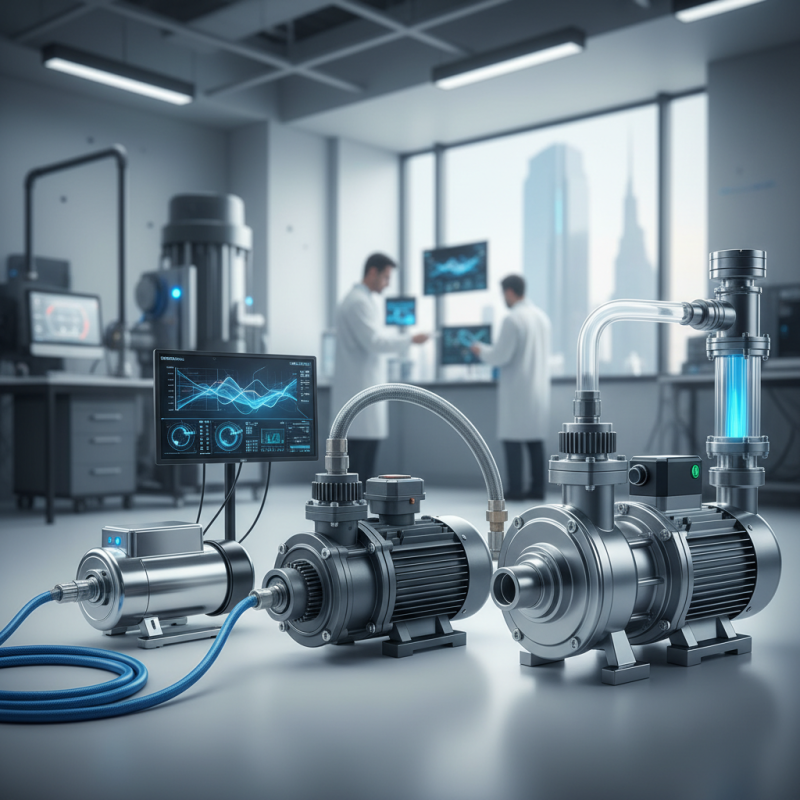
As we move into 2025, the landscape of pressure pumps is becoming increasingly advanced, focusing on efficiency and sustainability. Pressure pumps are crucial in various applications, from industrial manufacturing to agricultural irrigation. In 2025, these pumps are designed with improved energy efficiency, reduced noise levels, and enhanced durability. Innovations in materials and technology mean that pressure pumps will not only meet higher performance standards but also contribute to lower operational costs.
When selecting a pressure pump, consider the type of fluid being pumped, the required pressure and flow rates, and the specific application. It’s also essential to evaluate the pump's energy consumption to ensure it aligns with your sustainability goals.
Tip: Always assess the compatibility of the pump materials with the fluid type to avoid corrosion and maintain efficiency. Additionally, check for user-friendly features, such as digital monitoring systems, which can help with real-time performance tracking.
Another significant trend in 2025 is the integration of smart technology into pressure pumps. This advancement allows for remote monitoring and control, enabling users to make quick adjustments and maintain optimal performance. Having access to data analytics can also help with predictive maintenance, minimizing downtime and enhancing overall productivity.
Tip: Prioritize pumps that offer easy connectivity options, such as IoT compatibility, to leverage technology for better management and efficiency in your operations. Consider also the pump’s service and warranty options, ensuring long-term support and reliability.
Key Features to Consider When Choosing a Pressure Pump
When choosing a pressure pump, several key features should be considered to ensure optimal performance and durability. First, the pump's flow rate is crucial. The American Society of Mechanical Engineers (ASME) indicates that matching the flow rate to your specific application can enhance efficiency. Typically measured in gallons per minute (GPM), selecting a pump with an adequate flow rate for your needs can prevent over-exertion and subsequent wear on the unit.
Another important consideration is the pump's pressure rating, which determines the maximum pressure the pump can handle safely. Industry reports suggest that for most residential and light commercial applications, pumps with a pressure rating of 100 to 120 PSI are sufficient. However, for heavy-duty tasks like agricultural irrigation or industrial applications, higher pressures may be required. Additionally, material construction is essential for longevity and reliability; pumps made from corrosion-resistant materials like stainless steel or reinforced plastics tend to perform better in harsh environments and have a longer service life.
Finally, warranty and support services play a significant role in the purchasing decision. A robust warranty can serve as an assurance of the pump's quality and durability, with many manufacturers offering warranties that range from 1 to 5 years. Research indicates that approximately 65% of consumers prioritize post-purchase support, underscoring its importance in establishing trust with manufacturers and ensuring long-term satisfaction with the product.
2025 Top Pressure Pumps: Key Features Comparison
Benefits of Upgrading to Modern Pressure Pumps
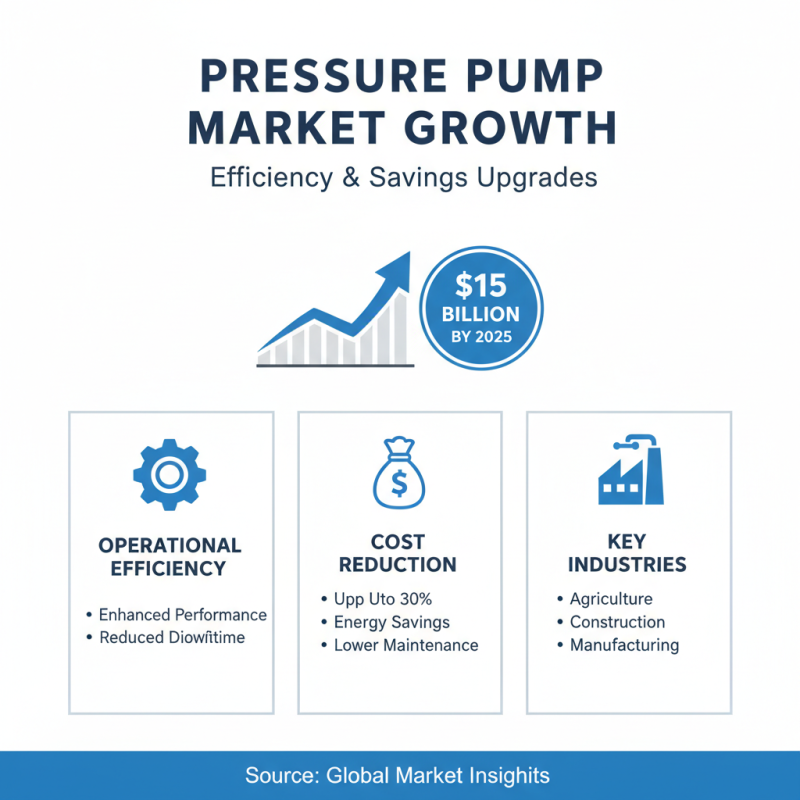
Upgrading to modern pressure pumps can significantly enhance operational efficiency and reduce costs for various applications. According to a recent report by Global Market Insights, the pressure pump market is projected to reach $15 billion by 2025, driven by advancements in technology and increased demand across industries such as agriculture, construction, and manufacturing. Modern pumps often incorporate advanced materials and innovative designs, allowing for higher durability and efficiency. For example, high-efficiency impellers can lead to energy savings of up to 30%, translating to substantial cost reductions in energy expenses.
Furthermore, the integration of smart technology in pressure pumps enables real-time monitoring and predictive maintenance, minimizing downtime and preventing costly repairs. A study published by the American Society of Mechanical Engineers notes that systems with predictive maintenance can reduce maintenance costs by 25% to 30% and improve equipment availability by 10% to 20%. Upgrading to these advanced systems not only enhances reliability but also increases the overall lifecycle of the equipment, making it a worthy investment for businesses looking to optimize their operations and ensure seamless productivity.
Buying Guide: Factors Affecting Pressure Pump Selection
When selecting a pressure pump, several critical factors should be taken into account to ensure optimal performance and efficiency. One major consideration is the pump type, as different applications require specific designs. For instance, centrifugal pumps are typically used for low-viscosity fluids, while positive displacement pumps are better suited for high-viscosity applications. According to the Global Pump Market Report 2023, the demand for specialized pumps is increasing, with projections indicating a growth rate of 5.4% in the industrial sector alone over the next five years.
Another essential factor is the pump's material construction, which can significantly influence durability and compatibility with various fluids. Pumps made from stainless steel or high-grade plastics tend to offer better resistance against corrosion and wear, ideal for harsh environments. Furthermore, operational requirements such as pressure ratings and flow rates should be carefully evaluated. For example, a typical pressure pump for residential use may require a maximum pressure of 60 PSI, while industrial applications might demand pumps capable of handling pressures exceeding 200 PSI, underscoring the importance of aligning the pump specifications with the intended use.
Lastly, energy efficiency plays a crucial role in pump selection. As industries increasingly focus on sustainability, energy-efficient models are gaining popularity. The U.S. Department of Energy reports that energy-efficient pumps can result in up to 30% savings on operating costs over their lifetime. Thus, when purchasing a pressure pump, it is vital to consider not only the immediate technical requirements but also the long-term operational costs associated with different models.
Maintenance Tips for Long-Lasting Pressure Pump Performance
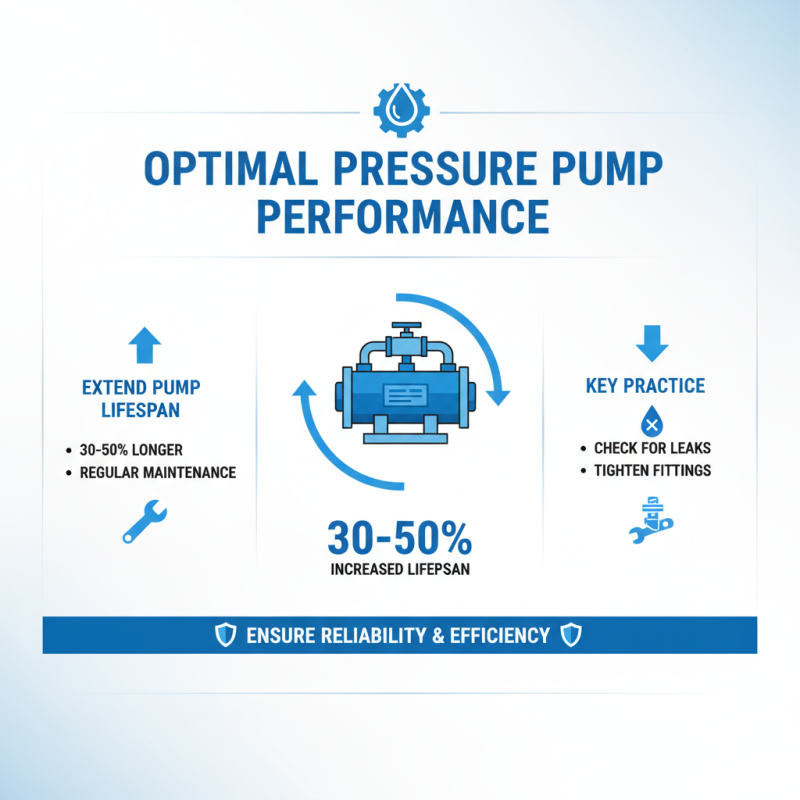
Maintaining the optimal performance of pressure pumps is crucial for ensuring longevity and reliability in various applications, from residential water systems to industrial operations. According to industry data, regular maintenance can extend the lifespan of pressure pumps significantly, often by as much as 30-50%. One key practice is to routinely check for leaks and ensure that fittings and connectors are tight. Minor leaks can lead to water loss and decreased efficiency, which translates to higher operational costs over time.
Additionally, it is vital to monitor the pump's pressure and flow rates, as deviations from prescribed levels can indicate underlying issues. A report from the American Society of Mechanical Engineers (ASME) suggests that maintaining proper alignment and lubrication of components can reduce wear and tear, enhancing performance. Furthermore, keeping the pump clean and free from debris not only prevents clogging but also allows for efficient operation. It's recommended to inspect filters regularly, ensuring they are clear to maximize the pump's output and minimize strain on its motor. By adhering to these maintenance tips, users can ensure their pressure pumps deliver optimal performance for many years.