Top 10 Diaphragm Pumps for Global Buyers in 2026?

As the demand for efficient and reliable fluid handling solutions grows, diaphragm pumps remain at the forefront of industrial applications. Industry expert Dr. Sarah Mitchell states, “Diaphragm pumps are crucial for optimizing process efficiency and minimizing downtime.” This sentiment resonates deeply as manufacturers and engineers are continually seeking innovations in this area.

In 2026, understanding the latest developments in diaphragm pumps is vital for global buyers. The technology has advanced significantly, yet challenges remain. Buyers must navigate between various options to find pumps that fit their specific needs. Performance, durability, and ease of maintenance are key factors to consider.

The world of diaphragm pumps is constantly evolving. As we explore the top ten diaphragm pumps of 2026, it is essential to highlight features that distinguish each model. Buyers should focus on not just the technical specs, but also long-term reliability and service support available in the market. Each choice carries implications for operational efficiency and cost-effectiveness.
Top 10 Diaphragm Pumps for Global Buyers in 2026?

Overview of Diaphragm Pumps and Their Applications

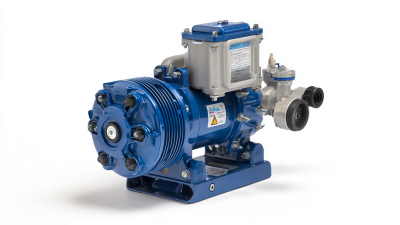
Diaphragm pumps are essential in various industries, known for their reliability and versatility. They utilize a flexible diaphragm to create a pumping action, ideal for transferring both liquids and gases. These pumps are commonly used in sectors like chemical processing, food and beverage, and wastewater management. Their design allows for a smooth flow, minimizing the risk of contamination during the transfer process.

These pumps excel in applications requiring precise flow control. Their ability to handle viscous fluids and slurries sets them apart from other pump types. Industries benefit from diaphragm pumps due to their self-priming nature and dry-running capabilities, which enhance efficiency. However, users must be aware of potential wear and tear on the diaphragm itself. Regular maintenance and monitoring are crucial to ensure optimal performance.

Technological advancements continue to improve diaphragm pump efficiency and durability. Innovations in materials and design are making them more effective than ever. However, each application's unique demands can lead to challenges that require thoughtful consideration. Users should reflect on their specific needs before selecting a pump. Understanding the balance between durability and performance is vital for long-term satisfaction.

Key Features to Consider When Selecting Diaphragm Pumps

When selecting diaphragm pumps, understanding key features is essential. The pump’s material significantly influences its compatibility with different liquids. Ensure the material can withstand the chemicals involved in your processes. For example, certain plastics may not be suitable for harsh solvents.

Performance is another critical factor. Look for a pump that delivers the right flow rate for your application. An inadequate flow rate can hinder productivity. Consider pumps with adjustable flow settings to meet varying demands. These benefits help tailor the pump’s performance to specific tasks.

Tips: Always evaluate the pump's maintenance requirements. Routine maintenance can prevent unexpected failures. Think about the ease of access to parts, as complex designs may complicate repairs. Reflect on how often the pump will be used. A more robust design may be necessary for continuous operation. Always consider both cost and long-term reliability when making your choice.

Top 10 Diaphragm Pumps for Diverse Industries in 2026

Diverse industries rely on diaphragm pumps for their robust performance. These pumps are essential for transferring fluids in sectors like construction, food processing, and pharmaceuticals. Their design allows for safe handling of hazardous materials. However, many users overlook maintenance needs. Neglecting proper care can lead to inefficiencies and costly downtime.

In the agricultural sector, diaphragm pumps control irrigation systems effectively. They ensure a steady supply of water, optimizing crop growth. Yet, some farmers may struggle with pump selection, unsure of the specifications required for their unique conditions. A lack of understanding can lead to underperformance, affecting yields.

Manufacturing industries also benefit from diaphragm pumps. These devices handle viscous and abrasive fluids with ease. However, choosing the right pump for specific applications can be daunting. Some manufacturers focus solely on cost, disregarding durability and efficiency. This approach often results in frequent repairs and replacements, highlighting the need for informed decision-making.

Comparison of Leading Diaphragm Pump Brands and Models

In 2026, the diaphragm pump market is set to evolve significantly. Buyers will focus on performance, efficiency, and reliability. The leading manufacturers are consistently improving their designs. These changes lead to varying applications in industries like water treatment, food processing, and chemical handling. Examining these specifics will aid buyers in making informed decisions.

Different models exhibit unique characteristics. For instance, some pumps excel in handling abrasive materials, while others focus on high-pressure capabilities. Energy consumption is another crucial factor. Some brands introduce energy-efficient technologies, reducing operational costs significantly. Compatibility with various fluids, including corrosives and slurries, further guides selection.

However, not all diaphragm pumps perform equally under diverse conditions. Maintenance can be a challenge, affecting long-term reliability. Buyers must weigh initial costs against potential downtime. Understanding the technical aspects is essential but can be daunting. Regular updates from manufacturers create confusion about the latest technologies and features. Buyers should reflect on their specific needs and operational requirements to align their choices effectively.

Top 10 Diaphragm Pumps for Global Buyers in 2026

Model Flow Rate (L/min) Max Pressure (bar) Material Weight (kg) Price (USD)
Model A 50 7 Aluminum 5.5 150
Model B 70 8 Stainless Steel 6.0 200
Model C 30 5 Plastic 4.0 90
Model D 100 10 PVC 7.0 250
Model E 40 6 Nylon 5.2 130

Future Trends and Innovations in Diaphragm Pump Technology

The diaphragm pump industry is poised for significant transformations by 2026. Emerging technologies are reshaping operational efficiency and performance. A recent report from Grand View Research highlights that the global diaphragm pump market is expected to grow by 5.6% annually, reaching approximately $4 billion by 2026. This growth is largely driven by innovations in materials and design.

In the coming years, manufacturers are focusing on lightweight composites and advanced elastomers. These materials enhance durability and reduce maintenance costs. New designs incorporate smart technology for real-time monitoring and predictive maintenance. This shift is aimed at minimizing downtime and improving reliability. According to a report by Markets and Markets, energy-efficient diaphragm pumps can reduce operational costs by up to 30%, signaling a crucial trend toward sustainability in this sector.

Despite these advancements, challenges remain. The adaptation of new technologies demands a skilled workforce and may lead to increased initial costs for businesses. Companies must balance upfront investments with long-term benefits. As the industry evolves, continuous training and development will be key to fully realizing the potential of these innovations. Addressing these issues ensures that the diaphragm pump market remains competitive and resilient.

Go to Top