
In modern irrigation systems, the importance of solenoid valves cannot be overstated. According to Dr. Emily Harper, a leading expert in irrigation technology, "Solenoid valves are pivotal in controlling water flow efficiently." This statement underscores their significance in improving water management in agriculture.
Solenoid valves act as gateways. They regulate water flow with precision, ensuring that crops receive the right amount of irrigation. With advancements in technology, these valves offer programmability, enhancing convenience for farmers. However, they can also be a source of frustration when maintenance issues arise unexpectedly.
In addition to efficiency, solenoid valves contribute to water conservation. Properly functioning valves reduce waste and increase system reliability. Yet, challenges in installation and compatibility with existing systems often require careful planning and expert advice. Balancing these factors is essential for optimal operation.
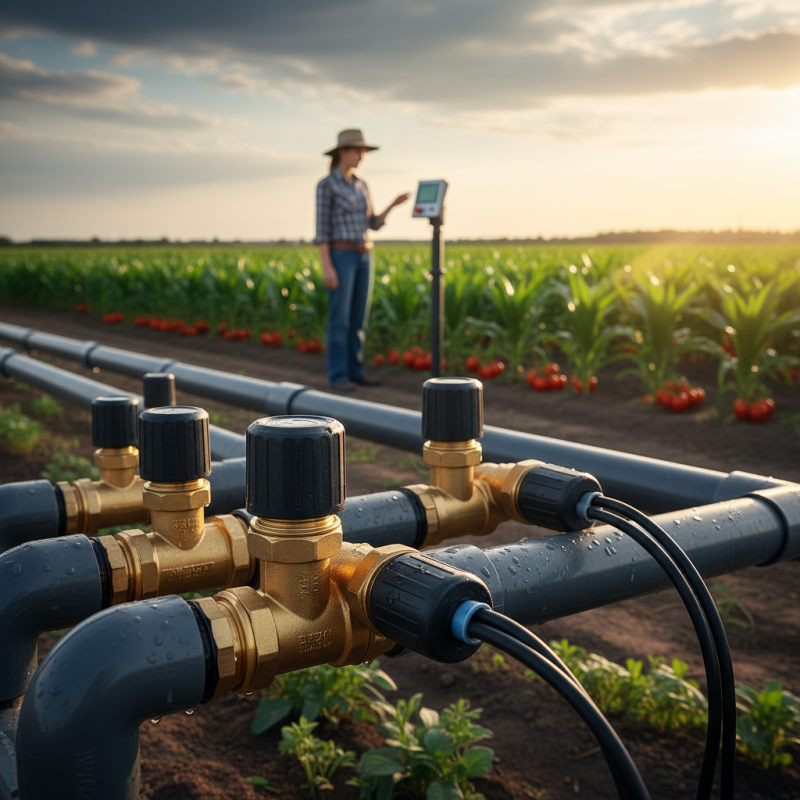
Automated control in irrigation systems utilizing solenoid valves offers significant advantages. Studies indicate that these systems can reduce water usage by up to 30%. This efficiency translates into lower utility bills for farmers. They can manage water distribution with precision, ensuring crops receive the exact amount needed. Excessive water can harm plant roots, leading to potential crop failure.
Furthermore, automated systems enhance flexibility. Farmers can schedule irrigation based on weather forecasts or soil moisture levels. Reports show that 75% of farmers using automated systems report higher crop yields. While automation requires initial investment, the long-term benefits can outweigh these costs.
However, not every installation goes smoothly. Some users struggle with maintenance issues, which can lead to system failures. Minor adjustments may also be necessary to optimize performance. Investing in training for operators can mitigate these risks. Even with challenges, the benefits of solenoid valves in irrigation systems are clear.
Irrigation systems are essential for maintaining healthy landscapes. Solenoid valves play a crucial role in improving energy efficiency and conserving water. These valves automate the flow of water, reducing waste and ensuring that each plant receives the right amount of moisture.
By using solenoid valves, irrigation can be more precise. They can open or close quickly, allowing for better timing during watering cycles. A well-regulated system prevents overwatering and minimizes runoff. This can lead to significant water savings in the long run. Yet, not all systems are perfect. Sometimes, a valve may fail, leading to unexpected leaks. Regular maintenance is essential to avoid this.
Energy efficiency can also be enhanced through smart controls linked to solenoid valves. These controls adjust watering schedules based on weather conditions. For instance, rain sensors can shut off systems during storms. It prevents excessive water use, but not all systems are equipped with such technology. Users must evaluate their needs and ensure they stay updated with the latest innovations for maximum efficiency.
| Benefit | Description | Impact |
|---|---|---|
| Energy Efficiency | Solenoid valves require less energy to operate, leading to lower energy costs. | Reduced operational costs. |
| Automated Control | Allows for automatic opening and closing based on irrigation schedules. | Improves consistency in watering. |
| Water Conservation | Precise control helps reduce water waste. | Lower water bills and environmental benefits. |
| Durability | Designed to withstand harsh irrigation environments. | Reduces replacement frequency. |
| Versatility | Can be used in various irrigation systems and applications. | Flexibility in design and installation. |
| Easy Maintenance | Simple design allows for easy troubleshooting and repairs. | Minimizes downtime. |
| Safety | Electric operation minimizes the risk of human error. | Increases operational safety. |
| Cost-Effectiveness | Initial investments are offset by savings on water and energy costs. | Long-term savings. |
| Remote Operation | Can be integrated with smart irrigation systems for remote control. | Convenience and improved management. |
| Improved Crop Yield | Consistent moisture levels can lead to healthier plants. | Enhanced agricultural productivity. |
Irrigation systems have evolved significantly with technology. Solenoid valves play a critical role in optimizing water delivery to crops. These valves ensure precise control over water flow, directly impacting soil moisture levels. Inadequate watering can lead to crop stress, affecting yield. Research has shown that efficient water management can enhance crop yield by up to 30%.
The ability to automate irrigation through solenoid valves introduces efficiency. Farmers can schedule watering times, reducing waste and conserving water resources. This precision not only conserves water but also ensures that crops receive the ideal amount of moisture. Yet, there are challenges. Improper installation or maintenance can cause failures, leading to water loss or crop damage. A recent study indicated that poorly managed irrigation systems can waste up to 60% of water.
Additionally, precise water delivery can also minimize disease risks. Over-watering can create conditions favorable for pathogens. Maintaining the right balance of moisture is crucial. Some growers may overlook routine checks on solenoid valves. This negligence could undermine the system's effectiveness. Investing in quality equipment and regular maintenance is vital for lasting benefits.
Irrigation management can be a labor-intensive task. Solenoid valves offer a practical solution for reducing labor costs in these systems. These valves can automate the opening and closing of water flow. This automation minimizes the need for manual intervention. With less manual work, labor costs significantly decrease.
Moreover, solenoid valves improve efficiency. They provide precise control over water distribution. This leads to better water management and reduced wastage. However, installation can be complex. Not every system adapts easily to these valves. Some users may struggle with settings and maintenance.
Another point to consider is energy use. Automated systems often require power, sometimes increasing costs. However, in many cases, this expense is offset by the savings in labor. There are trade-offs that every user must weigh carefully. Solenoid valves can streamline processes, yet they also require proper knowledge and supervision.
In modern agriculture, flexibility is key. Solenoid valves provide farmers with the ability to customize irrigation systems to their specific needs. These valves offer precise control over water flow, allowing for tailored watering schedules and amounts. This means crops get just what they need, reducing waste.
Farmers can easily adapt their systems for different crops. For instance, some plants require more water during certain seasons. Solenoid valves facilitate quick adjustments. They can be programmed to open and close at various intervals. This adaptability is essential, especially in unpredictable weather conditions.
However, it's essential to consider potential challenges. Installation and programming may require technical knowledge. Some farmers may find it daunting. Additionally, over-reliance on technology can lead to issues if systems fail. Careful monitoring is crucial. Understanding these aspects can lead to better decision-making.