
In recent years, Artificial Lift Technologies have become crucial in enhancing oil production efficiency in China. These advanced methods help extract resources from challenging geological conditions. They bridge the gap between production goals and technical limitations.
China's oil industry relies heavily on these technologies. Various options exist, including beam pumps and electric submersible pumps. Each technology has unique strengths and weaknesses. For instance, while electric pumps can operate efficiently, they require substantial initial investments. On the other hand, beam pumps offer simplicity but may face operational challenges in certain fields.
However, the adoption of Artificial Lift Technologies is not without flaws. Operator training and maintenance are critical for success. Knowledge gaps can lead to poor installation and result in costly downtime. The balance between cost and efficiency often invites debate among industry experts. Understanding these dynamics is essential for making informed decisions in China's ever-evolving oil landscape.
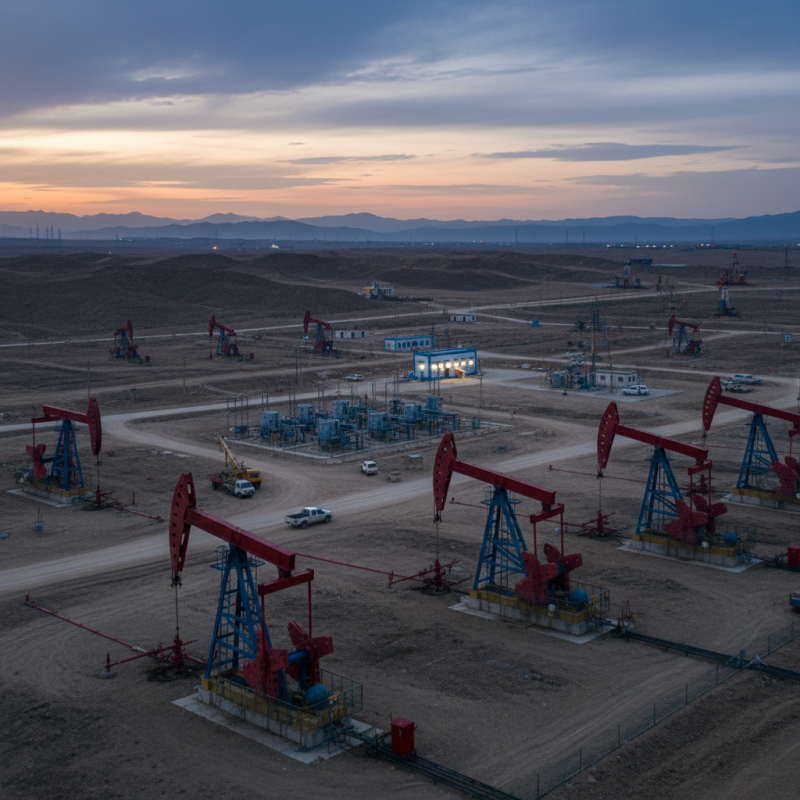
Artificial lift technologies play a crucial role in China’s oil and gas industry. These methods help enhance production rates from wells. Various technologies are employed to address the challenges of low reservoir pressure and fluctuating production levels. Each technology has its own advantages and limitations.
One common method is electrical submersible pumps (ESPs). They are effective at extracting fluids from deep wells. However, these systems can be expensive to maintain. Another popular choice is gas lift systems. They utilize gas injection to increase oil flow. While gas lift is simpler to operate, it may not be suitable for all reservoir conditions.
Progress in these technologies is noticeable. Yet, operators often face issues with efficiency. Many wells experience a decline in performance over time. Continuous monitoring and adjustments are essential. Investments in research and development remain necessary. This exploration must focus on finding more sustainable methods. The future of artificial lift in China hinges on innovation and adaptability.
Artificial lift technologies play a crucial role in boosting oil production in China. Key players in this market include local firms and international innovators. These companies are focused on improving efficiency and reducing costs. The competition is fierce, with many striving to lead advancements in technology.
Tips: Always analyze each technology's advantages and disadvantages. Understand the market demands thoroughly.
The market dynamics are constantly evolving. Companies often face challenges in regulatory compliance and technological adaptation. Some firms excel, while others struggle. It’s essential to assess the capabilities and strategies of each player carefully.
Tips: Monitor the latest trends and innovations. Doing so can help avoid costly missteps. Learn from the successes and failures of others in the field.
Collaboration is key in this landscape. Partnerships can bring additional expertise and resources. Companies willing to adapt and innovate will likely find success. However, over-reliance on external partners can be a risk. Make sure to retain core competencies while engaging in collaborations.
When examining artificial lift technologies in China, a comparative analysis reveals notable differences in methods. Electric submersible pumps (ESPs) are popular for their efficiency, handling large volumes of fluid. However, maintenance can be complicated and expensive. They are often used in high-production wells but may fail under challenging conditions.
Another method is gas lift technology. This technique injects gas into the fluid column. It decreases the density of the liquid, making it easier to lift. However, it can be less effective in shallow wells. Consider the initial costs and operational complexities before choosing this method.
Tips: Evaluate the specific conditions of your well. The selection of artificial lift technology can directly impact production. Look into various methods and their suitability based on your needs. Never underestimate the importance of proper training for personnel involved in these technologies. A well-informed team enhances operational efficiency.
Artificial lift technology plays a crucial role in enhancing oil production efficiency in China. However, these technologies face significant challenges. A recent report indicated that over 45% of oil wells require some form of artificial lift. Moreover, costs associated with maintenance and operation frequently exceed the budget, impacting overall profitability.
One major innovation is the development of electric submersible pumps, which are increasingly favored for their efficiency. These pumps can boost production rates and reduce downtime. However, their installation costs can be high. Many operators report that they struggle to balance performance with investment. Industry data shows that while electric pumps can improve yield by up to 30%, the upfront investment can deter smaller operators.
Additionally, environmental concerns are pushing companies to rethink their strategies. Techniques like gas lift, although older, are becoming revitalized with new methodologies. Companies face pressure to limit emissions. Often, transport and waste management issues go unaddressed, highlighting the need for holistic solutions. In this evolving landscape, continuous innovation is imperative to meet production demands while adhering to environmental standards.
The artificial lift industry in China is evolving rapidly. Technologies such as electric submersible pumps and gas lift systems are becoming commonplace. However, many operators face challenges in implementation. The harsh environment and varying geological conditions make it tough to optimize performance.
Future trends indicate a shift toward smart technologies. Automation and real-time data monitoring could enhance efficiency. Companies are exploring IoT solutions to gather critical information from well sites. This data can lead to smarter decision-making. Yet, the integration of new technologies is not without issues. Training operators to use these advanced systems is essential.
Sustainability is also a focus. The demand for greener practices is increasing. Technologies that minimize energy consumption are gaining traction. Nevertheless, transitioning to these methods may be slow and complex. Companies must balance innovation with cost-effectiveness. Embracing change can be daunting, but the potential rewards are significant.
| Technology Type | Market Share (%) | Application Areas | Future Trends |
|---|---|---|---|
| Electric Submersible Pumps (ESP) | 35% | Oil Fields, Gas Extraction | Increased efficiency and automation |
| Sucker Rod Pumps | 25% | Heavy Oil, Low Production Fields | Innovation in materials to reduce wear |
| Progressing Cavity Pumps (PCP) | 20% | Viscous Fluids, Geothermal | Growing use in alternative energy |
| Hydraulic Lift Systems | 10% | Deep Water, Offshore | Integration with digital monitoring |
| Gas Lift | 5% | Natural Gas Production | Focus on low-cost solutions |