What Are the Top 10 Metering Pump Manufacturers?
Choosing among the top 10 Metering Pumps manufacturers requires more than comparing brand names or website claims. Chemical plants, water-treatment facilities, and pharmaceutical lines need precise dosing under pressure. A pump may appear excellent in a brochure, yet behave differently with viscous fluids, abrasive particles, or frequent start-stop cycles. Real operating conditions matter.
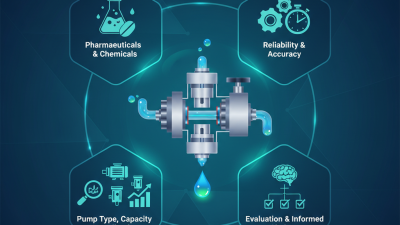
Reliability engineer R. Keith Mobley offers a useful standard: “Reliability is the probability that an item will perform its intended function for a specified interval under stated conditions.” This principle fits Metering Pumps closely. A strong manufacturer should provide stable flow accuracy, chemical compatibility, dependable diaphragm or plunger designs, and accessible technical support. Service records, testing methods, certifications, and replacement-part availability also deserve careful review. Price matters, but downtime can cost far more than the initial purchase.
This guide examines ten leading manufacturers through practical criteria, including dosing precision, pressure capability, control integration, energy use, and field reputation. It also considers application experience, because no single supplier is perfect for every process. A compact pump may suit a laboratory skid, while a rugged hydraulic diaphragm model may better serve a large chlorination system. Rankings can still be subjective. Market data changes, regional support varies, and published performance may not reflect every installation. That limitation should remain visible. The goal is not to promote one brand, but to help engineers and buyers make a clearer, evidence-based decision.、】【
What Is a Metering Pump and How Does It Work?
What Are the Top 10 Metering Pump Manufacturers?
What Is a Metering Pump and How Does It Work?
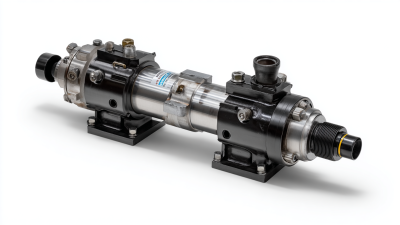
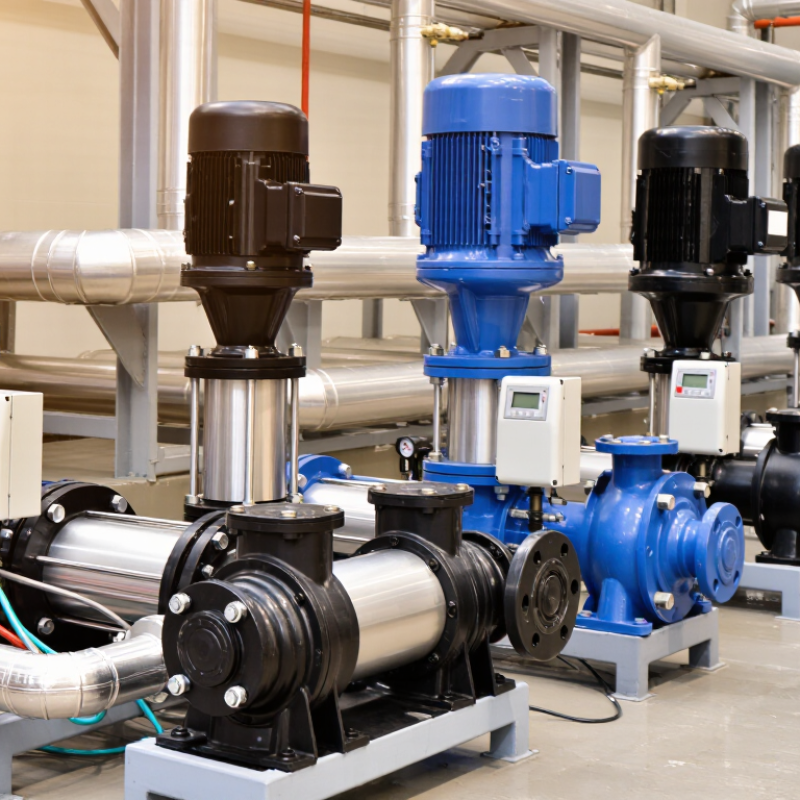
A metering pump delivers precise liquid volumes at controlled intervals. It uses a motor, diaphragm, piston, or peristaltic tube. The drive moves the pumping element. Inlet and outlet valves then manage liquid flow. Each stroke creates a repeatable dose.
This equipment supports water treatment, chemical processing, agriculture, and manufacturing. MarketsandMarkets reported that the global metering pump market was valued at about USD 7.4 billion in 2024. Its analysis also forecasts continued growth through 2029, driven by water reuse and process automation. The U.S. Environmental Protection Agency identifies accurate chemical dosing as important for reliable treatment performance. However, real accuracy depends on pressure, viscosity, temperature, and calibration. A pump can look precise on paper and still drift in service.
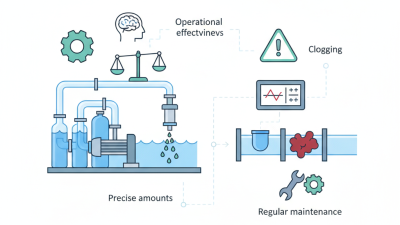
Tips: Check the required flow range first. Match materials with the chemical. Install a calibration column. Record suction pressure and discharge pressure. Small errors matter.
When comparing the top ten manufacturers, engineers should examine accuracy claims, diaphragm life, control options, spare-part access, and service experience. Independent testing remains valuable. A stated accuracy of ±1% may change under difficult site conditions. That deserves a closer look. Reports from the Hydraulic Institute also emphasize correct selection, installation, and maintenance for pump reliability. In practice, the best choice is rarely the most powerful model. It is the pump that maintains stable dosing with manageable operating costs.
Which Criteria Define a Leading Metering Pump Manufacturer?
A leading metering pump manufacturer can show how its pumps perform beyond a clean laboratory test. Ask for flow accuracy data across the stated operating range, including low-output conditions. A pump that doses reliably at 100 percent may behave differently near 10 percent. Clear test methods matter. So does repeatability.
Materials should match the fluid, temperature, and pressure—not just a product-page checklist. Look for documented compatibility guidance, pressure testing, and traceable inspection records. Details count: diaphragm life, seal access, calibration steps, and how quickly a technician can replace a worn valve. Practical design often shows in the small things. A crowded control panel is one warning sign. So is a manual that skips routine maintenance.
Manufacturing consistency matters as much as engineering. Ask whether critical parts are inspected, whether assembly procedures are controlled, and how defects are investigated. Reliable manufacturers also provide usable technical support, spare-parts guidance, and training for operators. Response quality can be tested before purchase: send a real dosing scenario and see whether the answer addresses viscosity, suction lift, and control signals. No scorecard captures every installation. I would still want site references and operating data, not polished claims alone. A few gaps in public documentation may be understandable, but they deserve direct questions.
The Top 10 Metering Pump Manufacturers and Their Core Strengths
The top 10 metering pump manufacturers are recognized for different core strengths, not one universal advantage. Some specialize in diaphragm pumps for chemical dosing and wastewater treatment. Others focus on plunger designs that deliver high pressure with stable flow. Several manufacturers are known for compact solenoid pumps used in laboratory equipment and small process systems. Peristaltic pump specialists offer gentle handling for sensitive fluids, although tubing replacement can increase maintenance costs.
Digital control is another major strength. Leading manufacturers integrate flow sensors, remote monitoring, and automatic calibration into modern dosing systems. These features help operators correct overfeeding before it affects water quality or production results. Other companies emphasize corrosion-resistant materials, including reinforced plastics, ceramic parts, and specialized alloys. Their experience matters when pumps handle abrasive slurries, concentrated chemicals, or changing temperatures. Field technicians often judge reliability by seal life, spare-part access, and the clarity of service manuals.
Selection should match the process, not the sales ranking. A high-pressure pump may be unnecessary for a low-flow laboratory line. A highly automated model may also create avoidable complexity. I have seen specifications look excellent until operators faced difficult calibration or expensive tubing. That weakness deserves attention. Buyers should compare turndown ratio, flow accuracy, pressure range, wetted materials, control options, and local technical support. Independent test data are useful, but real installation conditions still decide performance.
How the Top Manufacturers Compare Across Key Applications
What Are the Top 10 Metering Pump Manufacturers?
How the Top Manufacturers Compare Across Key Applications
Comparing the top ten metering pump manufacturers requires more than checking flow-rate charts. Their strengths become clearer in real operating conditions. Water treatment projects often favor precise dosing, stable pressure control, and simple calibration. Chemical processing demands corrosion resistance, leak prevention, and reliable diaphragm performance. Food and pharmaceutical facilities require cleanable designs, sanitary materials, and accurate low-flow delivery.
For agricultural systems, manufacturers typically focus on rugged construction, easy maintenance, and tolerance for changing temperatures. In mining applications, abrasive fluids can quickly expose weak valve materials or poor sealing. Industrial boilers need dependable chemical injection over long operating periods. Some suppliers offer advanced monitoring, while others provide simpler pumps that technicians can repair quickly. That difference matters when production cannot pause. However, a higher purchase price does not always guarantee better field performance. I have seen basic equipment outperform sophisticated systems when operators received better training.
Tips: Match the pump to the fluid first. Confirm viscosity, temperature, pressure, and daily volume. Ask for verified test data, not only brochure claims. Check spare-part availability near the installation site. A pump may be technically excellent yet impractical without local service. Also, review calibration procedures with the actual operators. This step is often missed. It should not be.
What Are the Top 10 Metering Pump Manufacturers?
How metering pump technologies compare across a key selection factor: typical maximum discharge pressure.
Representative technology-level ranges, not a manufacturer ranking or a specification for any particular model. Actual pressure limits vary by design, materials, flow rate, and operating conditions. Confirm specifications with the pump manufacturer.
How to Choose the Right Metering Pump Manufacturer for Your Needs
Choosing the right metering pump manufacturer requires more than reading a top-ten ranking. Grand View Research estimates the global metering pump market will expand steadily through 2030, driven by water treatment, chemical processing, and pharmaceutical production. This growth increases supplier options, but it also makes comparison harder.
Check whether the manufacturer publishes tested flow accuracy, pressure limits, material compatibility, and lifecycle data. A pump dosing 12 liters per hour at 8 bar may perform differently with abrasive slurry or changing viscosity. Ask for factory acceptance test records, calibration procedures, spare-parts availability, and technical support response times. The 2024 MarketsandMarkets analysis identifies chemical processing and water treatment as major application areas, so application experience matters more than brochure language.
Look for evidence.
Request references from facilities with similar temperatures, pressures, and fluids. Verify compliance with relevant quality systems, safety requirements, and documentation practices. Total cost should include diaphragms, valves, calibration, energy use, installation, and downtime. A low purchase price can become expensive after repeated seal failures.
I would not trust a perfect performance claim without operating conditions. This is where many evaluations become weak. A short pilot test, using the actual fluid and control signal, can expose pulsation, cavitation, or unstable dosing. Supplier transparency during that trial often reveals more than a polished sales presentation.