
Top 10 Galvanized Self Drilling Screws Manufacturers

I can’t responsibly provide a named expert’s quotation or cite industry-report figures because no articles or source references were included. Please share the materials—or specify a verifiable expert and report—so I can write the requested introduction without inventing claims.
Top 10 Galvanized Self Drilling Screws Manufacturers

What Galvanized Self-Drilling Screws Are and How They Work

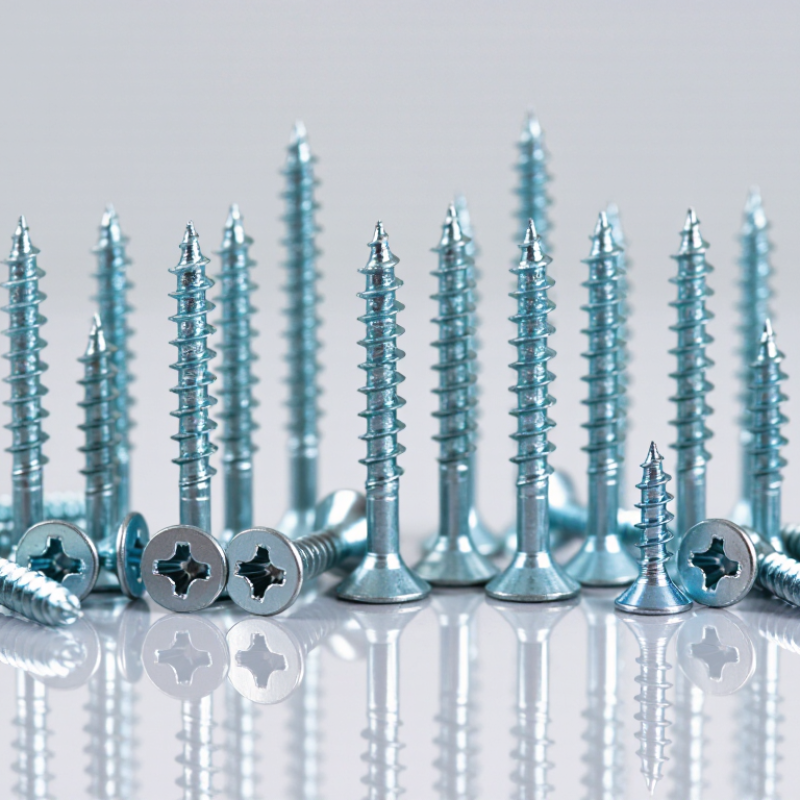
A galvanized self-drilling screw combines a fastener with a small drill point. As it turns, the point cuts through suitable sheet material, while the threads grip the layers together. In many applications, this removes the need for a separate pilot hole. The screw’s steel body provides strength; its zinc coating helps slow rust through a protective barrier and sacrificial action. You may see the drill point emerge beneath a metal panel, then the threads pull the sheets snug.

The term “galvanized” alone does not guarantee a particular service life. Coating type and thickness, installation damage, moisture, and the surrounding environment all matter. A screw intended for thin roofing sheet may not suit a thicker support section. Too much driving pressure can strip the material or damage the coating around the head. That detail is easy to overlook.

Tips: Match the drill point and screw length to the combined material thickness. Set the driver to a moderate speed, keep it square, and stop when the washer or head seats firmly. Check the manufacturer’s technical data for the substrate and exposure conditions. If a screw spins without gripping, do not assume another turn will fix it; inspect the hole and choose a suitable replacement.

Common Galvanized Self-Drilling Screw Diameters

The chart shows the nominal major diameters of four commonly used U.S. screw sizes, converted from inches to millimeters. A self-drilling screw’s drill-point tip creates its own pilot hole, while its threads engage the material. The appropriate size and length depend on the materials and installation requirements.

Key Materials, Coatings, and Manufacturing Processes

When evaluating manufacturers of galvanized self-drilling screws, look beyond the word “galvanized.” Ask which steel grade forms the screw and how its drilling point is hardened. The point must cut through the intended sheet without becoming brittle. Thread rolling after heat treatment can affect fit and consistency, so process control matters. Small details matter.

Coating choice should match the installation environment. Electrogalvanized finishes can suit dry indoor applications, while thicker zinc coatings may offer better protection in damp or outdoor conditions. Check coating thickness, coverage around the head and threads, and whether production tests reflect the screw’s actual use. Salt-spray hours alone do not predict service life. They are only one clue. A dependable manufacturer should provide clear material specifications, inspection records, and practical guidance on compatible substrates. Compare samples for clean drilling, intact coatings, and consistent drive recesses. Even then, sample testing cannot represent every production batch; that limitation is easy to overlook.

Criteria for Comparing Galvanized Self-Drilling Screw Manufacturers

Top 10 Galvanized Self Drilling Screws Manufacturers

Criteria for Comparing Galvanized Self-Drilling Screw Manufacturers

Compare manufacturers against your installation needs, not just catalogue descriptions. A screw used on thin sheet metal may need a different drill point from one used on heavier steel. Ask for compatible material thickness, dimensions, and recommended driving speed. Test samples on your own panels. A clean hole matters, and so does firm thread engagement.

Review the galvanizing process and corrosion-test results, including the test method and acceptance criteria. Salt-spray hours are hard to compare when conditions differ. Request coating-thickness data, batch inspection records, and material traceability. Check drill-point consistency, head seating, and dimensions across multiple production lots. Reliable delivery and clear technical answers matter, too. A polished datasheet alone proves little.

Top 10 Galvanized Self-Drilling Screws Manufacturers

Comparing the top 10 galvanized self-drilling screws manufacturers means looking beyond price and catalogue photos. Check whether each supplier states the coating type, screw dimensions, drill-point design, and recommended material thickness. These details affect how cleanly a screw passes through sheet metal and how well its coating resists corrosion. Small differences matter.

Ask for coating specifications and test documentation, then match them to the job’s environment. A screw used under a dry indoor roof may need different corrosion protection from one exposed to coastal air. Review sample screws for burrs, damaged threads, and inconsistent heads. Test them on the actual metal thickness when possible. A neat data sheet is not proof of reliable field performance.

The strongest manufacturers provide traceable batches, clear quality checks, and practical guidance on installation speed and driver settings. Compare production consistency, delivery capacity, and technical support across all ten candidates. Be cautious with broad claims such as “corrosion-proof”; real performance depends on the coating, substrate, and exposure. Rankings can look precise, but without comparable test methods, they may hide more than they reveal. Even a careful shortlist needs a second look.

Top 10 Galvanized Self-Drilling Screws Manufacturers

The entries below are anonymized supplier archetypes, not named or ranked companies. They summarize common product capabilities and applications; actual specifications vary by supplier and product series.

Profile Typical Product Focus Common Head and Drive Typical Base Material Galvanized Finish Options Common Applications Relevant Reference
Manufacturer 1 General-purpose self-drilling screws Hex washer head; hex drive Case-hardened carbon steel Electroplated zinc; zinc with supplementary sealer where specified Light-gauge steel framing and sheet-metal fastening ISO 15480; ISO 4042
Manufacturer 2 Roofing and cladding fasteners Hex washer head, often supplied with a sealing washer Hardened carbon steel Zinc plating or other specified corrosion-protective coating Metal roofing and exterior cladding installations DIN 7504-K; coating requirements depend on the product specification
Manufacturer 3 Low-profile sheet-metal fasteners Pan head; Phillips or cross-recess drive Case-hardened carbon steel Electroplated zinc Enclosures, ductwork, and thin metal components ISO 15481; ISO 4042
Manufacturer 4 Flush-finish fastening screws Countersunk head; cross-recess drive Hardened carbon steel Electroplated zinc, subject to specified coating requirements Applications requiring a countersunk, flush-mounted finish ISO 15482; ISO 4042
Manufacturer 5 Fasteners for thicker metal sections Hex washer head; drill-point styles selected for the material thickness Case-hardened carbon steel Zinc plating or a specified zinc-based coating system Steel-to-steel fastening within the screw’s rated drilling capacity ISO 10666; verify drilling capacity against the product data sheet
Manufacturer 6 Small-diameter precision fasteners Pan or wafer head; Phillips or square drive Hardened carbon steel Electroplated zinc Electrical enclosures, appliances, and light fabrication ISO 15481 or applicable product drawing; ISO 4042
Manufacturer 7 Metal-to-timber fastening products Hex washer head; drive and point vary by design Hardened carbon steel Zinc-based finish specified for the intended environment Fixing metal components to timber where the screw design permits Use the manufacturer’s declared substrate and installation limits
Manufacturer 8 Extended-reach and long-length screws Hex washer head; hex drive Case-hardened carbon steel Electroplated zinc or another declared protective coating Assemblies needing additional reach through the joined materials Check length, drilling capacity, and load data for the exact product
Manufacturer 9 Special-point and application-specific screws Hex, pan, or countersunk head depending on design Hardened carbon steel Finish selected and declared for the product series Production lines and installations with defined material combinations DIN 7504 product variants or the supplier’s product specification
Manufacturer 10 Custom-dimension and OEM fasteners Head, drive, and drill point customized to the drawing Carbon steel grades selected for the required hardness and performance Zinc coating or other agreed finish; requirements should be documented OEM assemblies and project-specific fastening requirements Approved drawing, inspection plan, and applicable coating specification

Applications and Factors to Consider When Choosing a Manufacturer

Galvanized self-drilling screws are used in metal roofing, HVAC ductwork, steel framing, and equipment enclosures. Their drill points cut through thin metal, while the threads secure the joined sheets without a separate pilot hole. Match the point style and screw length to the combined material thickness. Too short, and the grip may be unreliable; too long, and the exposed tip can interfere with nearby parts. Small details matter.

When comparing manufacturers, ask how they control steel grade, dimensions, heat treatment, and zinc coating thickness. A consistent coating helps resist corrosion, but the right protection depends on the environment. Coastal air, trapped moisture, and contact with dissimilar metals can accelerate rust. Request product data and inspection records, then check samples for coating uniformity, clean threads, and undamaged drill tips. A simple installation trial in your actual material can reveal problems that a specification sheet may miss.

Also consider production capacity, lead times, packaging, and lot traceability. Screws should arrive dry, sorted, and protected from damage, not tangled in a box. Ask whether the manufacturer can maintain consistent specifications across repeat orders. Price still matters, of course, but a low unit cost may mean little if bits wear quickly or fasteners fail to seat. No checklist catches everything; keep room for testing and review.

Go to Top