A Solenoid Metering Pump is an essential tool in fluid management. It delivers precise volumes of liquid for various applications. These pumps use electromagnetic coils to create controlled movements. This results in accurate fluid dosing.
In many industries, a Solenoid Metering Pump plays a critical role. For example, water treatment plants employ them for chemical dosing. The pump ensures consistent flow rates and reduces waste. However, the design can sometimes lead to limitations. Factors like viscosity and temperature may impact performance.
Understanding how a Solenoid Metering Pump functions is key. It relies on electrical signals to operate the solenoid. This creates a push-pull mechanism that moves the diaphragm. This movement controls the flow rate and pressure. Recognizing potential challenges can enhance system efficiency and reliability.
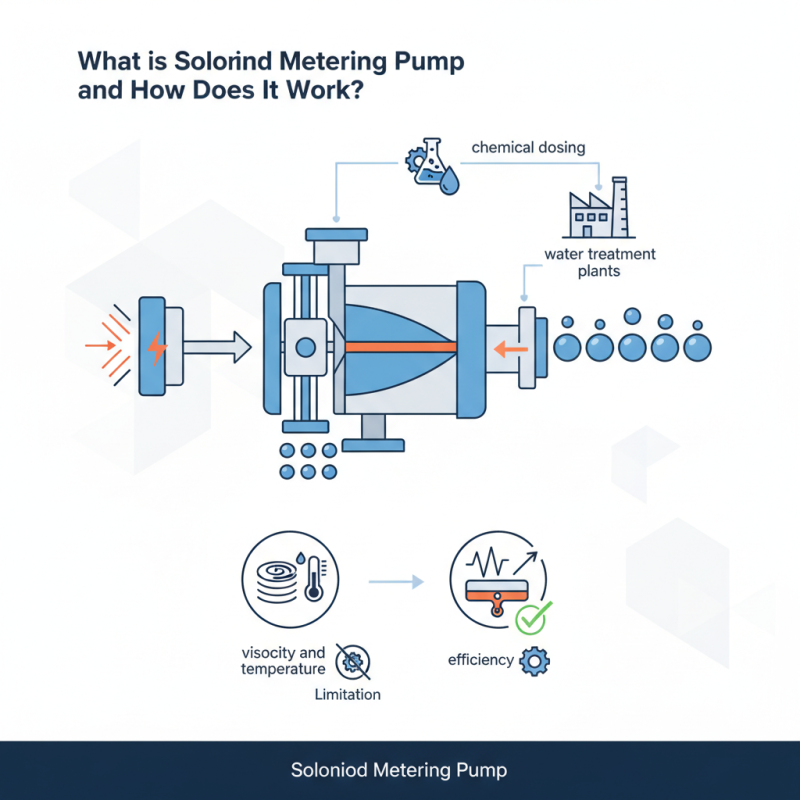
A solenoid metering pump is a device designed to accurately control the flow of fluids. It uses a solenoid, an electromechanical component, to create a precise pumping action. When electricity passes through the solenoid, it generates a magnetic field that moves a plunger. This plunger draws fluid in and pushes it out in controlled amounts.
These pumps are commonly used in various applications, like water treatment and chemical processing. They offer reliability and accuracy in dispensing liquids. However, it's essential to ensure proper calibration. If not calibrated correctly, the flow rate may deviate from the desired output. The materials used can also affect performance. For example, corrosive substances can damage internal components over time.
While solenoid metering pumps are often effective, they require regular maintenance. Neglecting this can lead to leaks or malfunctions. Users must be vigilant in monitoring their performance. Understanding the working principle is vital for making necessary adjustments. This awareness can prevent setbacks and enhance their efficiency in any system.

A solenoid metering pump is essential in various industrial applications. It delivers precise fluid measurements and offers reliable operation. Understanding its components helps appreciate its performance and efficiency.
The main components of a solenoid metering pump include the solenoid coil, diaphragm, and drive mechanism. The solenoid coil converts electrical energy into magnetism. This action pulls the diaphragm, creating suction to draw fluid into the pump chamber. Additionally, the diaphragm’s material is crucial. It must withstand harsh chemicals while ensuring minimal leakage.
Research shows that solenoid pumps can achieve accuracies up to ±1% of the setpoint. However, there are limits. Flow rates vary significantly based on the pump's size and design. Smaller pumps may struggle with higher viscosity liquids. Users should regularly evaluate their setup. Over time, components may wear out, affecting performance. Using advanced monitoring systems can aid in identifying these issues early.
| Component | Description | Function |
|---|---|---|
| Solenoid Coil | An electromagnetic coil that generates magnetic force when electrified. | Activates the pump diaphragm for fluid movement. |
| Diaphragm | A flexible membrane that separates the pump chamber from the solenoid coil. | Creates a pumping action by moving back and forth to draw in and expel fluid. |
| Pump Chamber | The area where the fluid is contained during pumping operations. | Holds the fluid and allows for pressure change during pumping cycle. |
| Inlet and Outlet Valves | One-way valves that prevent backflow of fluid. | Control the direction of fluid flow into and out of the pump. |
| Power Supply | Electric source that energizes the solenoid coil. | Provides the necessary energy for the solenoid to function. |
A solenoid metering pump is a precise device used for fluid dispensing. It operates by converting electrical energy into linear motion. This motion creates a pumping action, allowing fluid to flow in a controlled manner. The solenoid is activated by an electric current, moving a plunger or diaphragm. This operation allows for accurate dosing, which is essential in many applications.
When the solenoid is energized, it pulls the plunger downward. This creates a vacuum that draws fluid into the pumping chamber. As the solenoid turns off, a spring mechanism pushes the fluid out of the chamber. This back-and-forth action results in consistent flow rates. It’s crucial for applications like chemical dosing in water treatment.
**Tip:** Regular maintenance is essential. Check for wear and tear to ensure accuracy. If the pump is not functioning as expected, inspect the solenoid and connections.
Sometimes, pumps may not deliver the correct amount. This can happen for various reasons, like blocked tubing or worn seals. Keep an eye on flow rates to avoid issues.
**Tip:** Monitoring flow rates often can save time. Small changes can indicate bigger problems. Early detection helps maintain efficiency and performance.
Solenoid metering pumps are crucial in various industries. They provide accurate dosing of liquids, which can be vital for processes like water treatment, chemical manufacturing, and agriculture. These pumps are designed to deliver precise amounts of fluids, ensuring consistency and efficiency. They operate using electromagnetic solenoids to create a piston motion that draws in and expels liquid.
In the water treatment sector, for example, solenoid metering pumps are used for chemical injection. They add chlorine or other disinfectants to water supplies. This helps maintain safe drinking water. Similarly, in agriculture, these pumps can deliver fertilizers or pesticides with high precision. This precise dosing minimizes waste and enhances crop yield. Several challenges exist, such as having the right pump size for specific applications. Identifying these needs is sometimes more complex than expected.
Solenoid metering pumps can have issues too. Over time, wear and tear may affect performance. Regular maintenance is needed, but it's easily overlooked. Users might not recognize the importance of this until it's too late. Finding the right balance between performance and longevity is crucial. Therefore, operators should routinely check conditions to avoid sudden failures. Monitoring performance can save costs and time in the long run.
Solenoid metering pumps offer unique advantages. Their design allows for precise control of flow rates. This makes them ideal for applications requiring accuracy. They are commonly used in chemical dosing and water treatment. Their compact size often saves space in industrial environments. Additionally, they are generally easy to install and maintain.
However, solenoid metering pumps also have limitations. They may struggle with high-viscosity fluids. This can lead to reduced efficiency. Furthermore, their pulsating flow might not suit all applications. Continuous flow may be required in some processes. Operational noise can also be an issue, especially in quieter settings. Users should consider these factors carefully.
Using solenoid pumps means balancing their benefits against their drawbacks. When choosing a pump, think about your specific needs. Sometimes, other types might be more appropriate. Critical reflection on this can enhance operational effectiveness.