What is a Plunger Pump and How Does it Work?
A Plunger Pump is a vital component in various industries. It efficiently moves liquids. Understanding its function is crucial for effective applications.
This pump utilizes a plunger to generate pressure. As the plunger moves, it creates a vacuum. This action draws in fluid, ensuring a continuous flow. Plunger Pumps are known for their durability and reliability. However, they can also face challenges, such as wear over time. Regular maintenance helps to mitigate these issues.
Users often question the best practices for operating a Plunger Pump. Proper understanding leads to enhanced performance. Delving into its mechanisms can reveal both its strengths and limitations. A well-informed approach ensures the longevity of the pump and optimal results for operations.
What is a Plunger Pump?
A plunger pump is a positive displacement pump that uses a reciprocating plunger to create flow. This type of pump is known for its high efficiency and ability to handle viscous fluids. Plunger pumps are commonly used in various industries, including oil and gas, chemical processing, and water treatment. According to a report by MarketsandMarkets, the global plunger pump market is expected to grow at a CAGR of 4.1% from 2021 to 2026, highlighting its increasing importance in industrial applications.
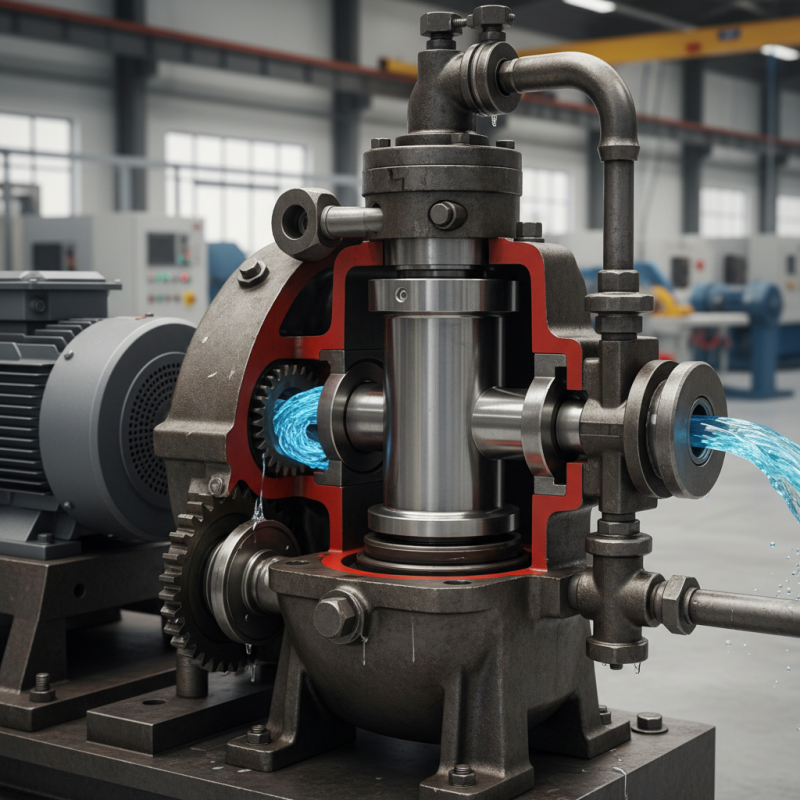
Plunger pumps operate on a simple yet effective principle. As the plunger moves back, it creates a vacuum that draws fluid into the chamber. When the plunger moves forward, it forces the fluid out under high pressure. The flow rate depends on the plunger's size and the stroke length. These pumps can handle pressures up to 20,000 psi, making them suitable for demanding environments. However, they may require regular maintenance due to wear and tear, especially when pumping abrasive materials.
While plunger pumps offer numerous advantages, they are not without their challenges. One common issue is cavitation, which occurs when vapor bubbles form and collapse in the pump. This can lead to damage over time. Additionally, the use of plunger pumps may be limited in applications requiring continuous flow. This necessitates careful consideration of the specific needs of each application to ensure optimal performance and longevity.
Key Components of a Plunger Pump
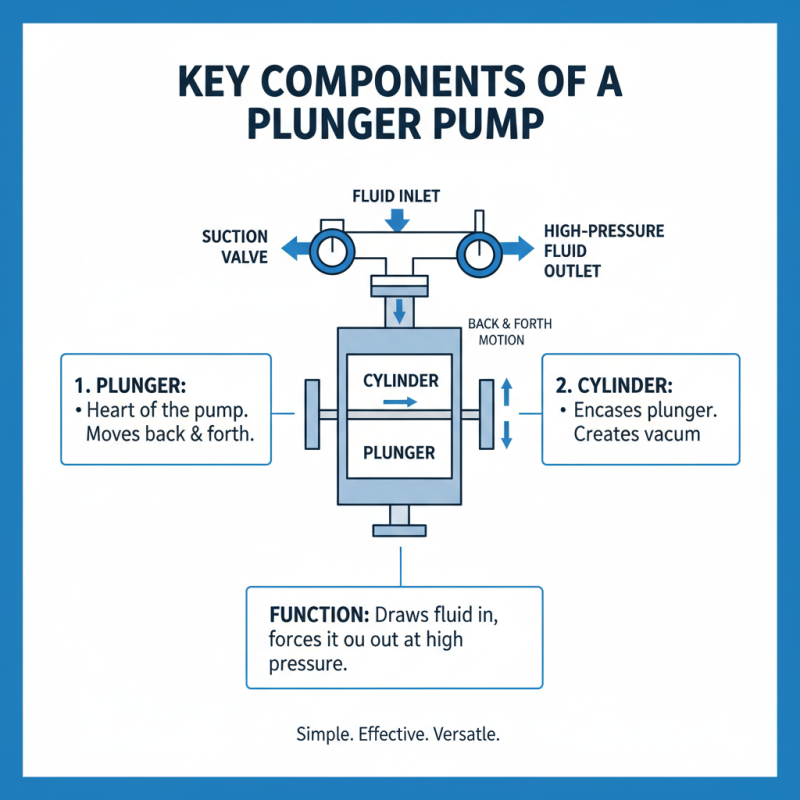
A plunger pump consists of several key components that work together to deliver high-pressure fluid. The plunger is the heart of the pump. It moves back and forth inside a cylinder, creating a vacuum that draws fluid in and then forces it out at high pressure. The design is simple yet effective, making it suitable for various applications.
Another critical component is the valve system, which controls fluid flow. Typically, there are two types of valves: inlet and outlet. The inlet valve opens during the suction phase, allowing fluid to enter. Then, as the plunger moves forward, the outlet valve opens, expelling the fluid. This orderly process ensures efficient operation. However, the valving mechanism can sometimes wear out, leading to reduced efficiency.
The cylinder is equally vital, providing a reliable chamber for the plunger to operate. Many cylinders are made of durable materials to withstand high pressures. It’s essential to periodically inspect the cylinder for cracks or wear. Neglecting this can result in pump failure or reduced performance. Understanding these components can help users troubleshoot issues effectively.
How a Plunger Pump Operates: Step-by-Step Process
A plunger pump is a positive displacement pump. It uses a plunger to move the fluid through a cylinder. The process is quite efficient and effective for various applications.
The operation begins when the plunger moves downward. This action creates a vacuum in the cylinder, pulling fluid into it. As the plunger continues its stroke, the fluid is pushed out of the discharge valve. It's essential for the pump to have well-sealed components to prevent leaks during this process.
However, things can go wrong. If the plunger experiences wear or the seals fail, efficiency drops. This may lead to less fluid being pumped or increased maintenance needs. Regular checks and maintenance are vital to ensure longevity and reliability in performance. Understanding these potential issues can help in optimizing the pump's functionality.
Applications of Plunger Pumps in Various Industries
Plunger pumps are widely used across various industries due to their efficiency in handling high-pressure applications. In the oil and gas sector, they play a crucial role. These pumps move viscous liquids, often under extreme conditions. Their design allows for consistent flow, even when materials are thick or abrasive.
In the food and beverage industry, plunger pumps ensure hygiene. They transfer liquids like sauces and syrups safely. They are easy to clean, limiting contamination risks. However, ensuring proper maintenance is essential. Neglect can lead to performance issues or food safety concerns.
Moreover, in the pharmaceutical field, precise dosing is vital. Plunger pumps help achieve this by accurately measuring liquids. Each stroke delivers the same volume. This reliability is crucial for product quality. Yet, operators must continuously monitor pump calibration. A slight error can impact drug formulation.
Applications of Plunger Pumps in Various Industries
Advantages and Limitations of Plunger Pumps
Plunger pumps are renowned for their high efficiency and ability to handle high-viscosity fluids. They work by using a piston mechanism to create pressure, allowing precise control over flow rates. However, their advantages come with specific limitations that users should understand.
One key advantage of plunger pumps is their durability. They can handle harsh fluids and are resistant to wear, making them suitable for demanding industries. Reports show that these pumps can operate effectively at pressures exceeding 5000 psi, which is impressive compared to other types. This capability makes them invaluable in oil and gas sectors and chemical processing. Additionally, they are efficient for transferring viscous liquids, reducing energy consumption.
Nevertheless, plunger pumps have limitations. They may require more maintenance due to their mechanical components, which can wear out over time. The risk of cavitation also exists, leading to pump failure if not properly managed. Moreover, the pulsating flow can be a disadvantage in applications that demand a steady rate. Users must evaluate these factors carefully.
Tip: Regular maintenance and monitoring can significantly extend the lifespan of plunger pumps. Ensure that the fluid being pumped matches the specifications to prevent wear and tear. Choosing the right materials for the plunger and seals will also reduce the frequency of repairs.
What is a Plunger Pump and How Does it Work? - Advantages and Limitations of Plunger Pumps
| Feature |
Details |
| Definition |
A plunger pump is a type of positive displacement pump that uses a cylindrical plunger to move fluids. |
| Operating Principle |
The plunger moves back and forth, creating a vacuum that draws fluid in and then forces it out under high pressure. |
| Advantages |
High pressure application, able to handle viscous fluids, good suction capabilities. |
| Limitations |
Not suitable for shear-sensitive fluids, may require more maintenance over time. |
| Applications |
Used in oil and gas, water treatment, and chemical processing industries. |
| Components |
Includes plunger, cylinder, inlet and outlet valves, and casing. |
| Maintenance |
Regular checks on seals and valves, lubrication of moving parts, and cleaning. |