Why You Need a High Pressure Pump for Efficient Water Management
In the realm of water management, efficiency is paramount, and one of the key components that optimize this efficiency is the High Pressure Pump. Water management systems face increasing demands due to population growth, climate change, and industrial needs. To address these challenges, experts emphasize the importance of employing high-pressure pumps that can deliver water with precision and power. As John Ramirez, a noted expert in hydraulic systems, states, "A high-pressure pump is not just an accessory; it's essential for any effective water management strategy."
High pressure pumps have the ability to transport water over long distances and overcome significant elevation changes, making them invaluable in urban infrastructure, agriculture, and industrial applications. These pumps ensure that water is delivered efficiently and reliably, minimizing waste and maximizing resource management. As global water scarcity becomes a more critical issue, understanding the role of high pressure pumps in facilitating effective water distribution and utilization is crucial for sustainable development. By investing in technology like high-pressure pumps, we can better manage our precious water resources and prepare for future challenges.
The Role of High Pressure Pumps in Water Management Efficiency
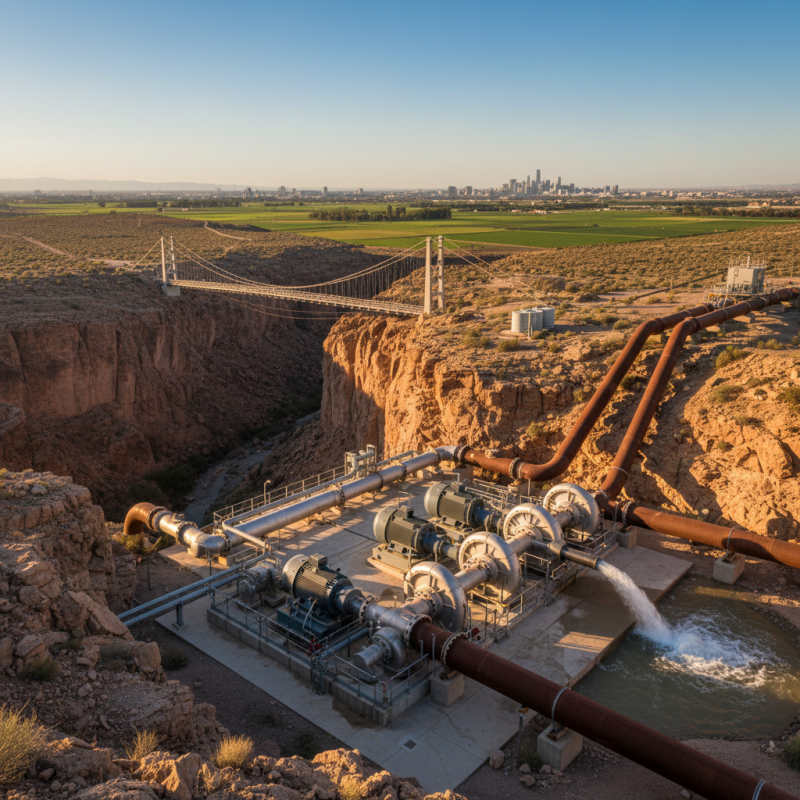
In the realm of water management, high pressure pumps play a pivotal role in enhancing operational efficiency. These pumps facilitate the transportation of water across varying terrains and elevations, ensuring a steady and reliable supply. Their ability to generate and maintain high pressure not only optimizes the flow rates but also minimizes the energy consumption typically associated with water movement. This is particularly crucial in agricultural applications where consistent water delivery is essential for crop health and yield.
Moreover, high pressure pumps are instrumental in various industrial sectors where water needs to be efficiently managed. For instance, in municipal water systems, these pumps help maintain pressure levels in pipelines, preventing stagnation and contamination. Their capacity to handle large volumes of water effectively ensures that facilities can meet demand without compromising on quality or safety. Additionally, high pressure pumps enable advanced water treatment processes, allowing for quicker filtration and purification, which is vital in maintaining clean water supplies. Overall, the integration of high pressure pumps in water management systems significantly contributes to sustainable practices and resource optimization.
Impact of High Pressure Pumps on Water Management Efficiency
This chart illustrates the efficiency of water management with high pressure pumps versus traditional pumps across different scenarios. As seen, high pressure pumps significantly improve water management efficiency, represented here as water flow rate in liters per minute.
Key Benefits of High Pressure Pumps in Diverse Applications
High pressure pumps play a crucial role in various applications, enhancing efficiency and effectiveness in water management processes. One of the primary benefits of these pumps is their ability to generate higher flow rates and pressures, facilitating the movement of water over long distances. This is particularly valuable in agricultural irrigation systems, where high pressure is needed to overcome gravity and ensure that water reaches crops efficiently, even at elevated terrains. The result is improved crop yield and sustainable use of water resources.
Additionally, high pressure pumps are essential in industrial settings for cleaning and maintenance tasks. From power washing surfaces to removing sediments in manufacturing processes, these pumps provide the necessary force to tackle tough jobs effectively. This capability not only leads to a cleaner and safer working environment but also reduces downtime and maintenance costs associated with equipment failures. Ultimately, the versatility of high pressure pumps across diverse sectors, including agriculture, construction, and industry, underscores their importance in modern water management strategies.
Industry Standards and Specifications for High Pressure Pumps
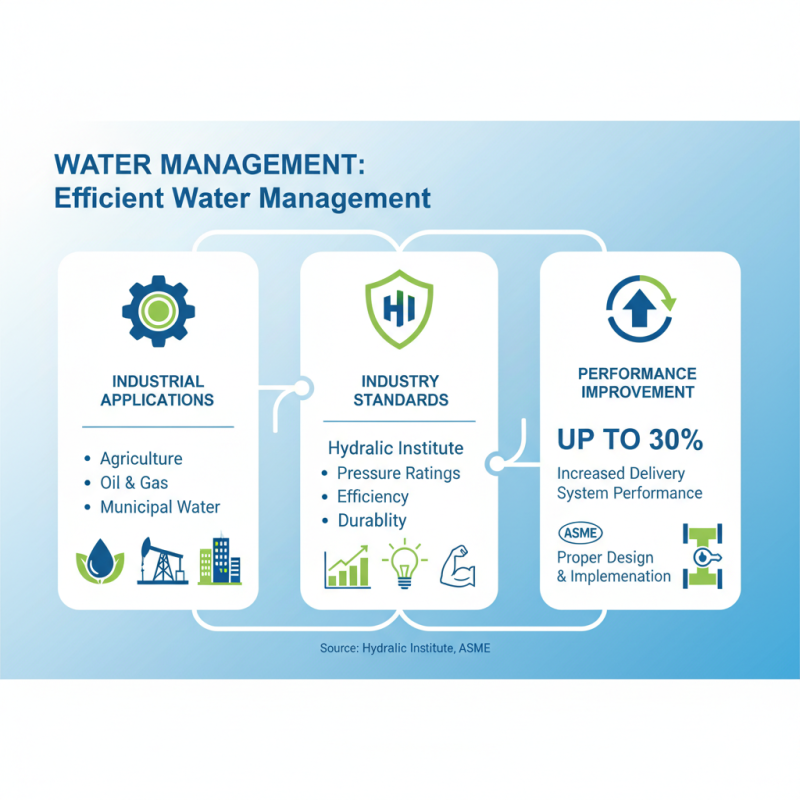
When it comes to efficient water management, high-pressure pumps are essential for various industries, including agriculture, oil and gas, and municipal water supply. Industry standards, such as those put forth by the Hydraulic Institute, emphasize the importance of selecting pumps that meet specific performance metrics, including pressure ratings, efficiency, and durability. According to a report by the American Society of Mechanical Engineers (ASME), high-pressure pumps can improve water delivery systems' performance by up to 30% when properly designed and implemented to meet local and international specifications.
To ensure that your high-pressure pump meets industry standards, consider these critical specifications: maximum operating pressure, flow rate, and motor size. High-efficiency pumps typically have a pump efficiency rating of 70% or above, which significantly reduces energy costs over time. It's essential to consult performance curves and reliability data to select the right pump matching your operational needs.
Tips: Always verify the certifications of your high-pressure pump, ensuring compliance with international standards such as ISO 9001, which focuses on quality management systems. Additionally, pay attention to maintenance requirements outlined by industry reports to prolong pump life and prevent unexpected downtimes. Regular performance evaluations will also identify inefficiencies, allowing timely repairs or replacements, thus optimizing your water management system.
Comparative Analysis: High Pressure vs. Low Pressure Pump Systems
When it comes to water management systems, the distinction between
high pressure and
low pressure pumps is crucial.
High pressure pumps are designed to deliver water at a significantly greater force, making them ideal for applications that require a strong and consistent flow. This increased pressure facilitates efficient water distribution over long distances or to elevated areas, which is essential in agricultural irrigation, municipal water supply, and industrial processes. The ability to transport water quickly and effectively can lead to enhanced productivity and reduced operational costs.
In contrast, low pressure pump systems operate effectively for less demanding tasks. They typically use less energy and are well-suited for applications where water does not need to be moved far or at high rates. While they can be adequate for residential use or in smaller-scale applications, their limitations become apparent in situations that demand greater flow rates or head heights. Organizations that require precision and reliability in water delivery often find that
high pressure systems provide the necessary performance and efficiency, ultimately allowing for
better management of their water resources.
Cost-Benefit Analysis of Implementing High Pressure Pumps in Water Systems
The effective management of water resources is imperative for both environmental sustainability and economic viability. Implementing high-pressure pumps in water systems can lead to significant cost savings and efficiency improvements. A report by the Water Research Foundation highlights that high-pressure systems can increase water delivery efficiency by up to 30%, allowing for better penetration into remote areas and reducing the need for additional infrastructure investments.
When assessing the cost-benefit analysis of high-pressure pumps, consider the initial investment versus long-term operational savings. While high-pressure pumps may require a higher upfront cost, their durability and efficiency can result in reduced energy consumption by approximately 20% and lower maintenance expenses over time. Additionally, these pumps are capable of handling higher flow rates, which can significantly decrease the time and resources needed for water transport, leading to further cost reductions.
Tips: When evaluating pump options, conduct a thorough analysis of your specific water delivery needs to select the optimal system. Additionally, ensure that your pump is compatible with the existing infrastructure to maximize its benefits and minimize potential disruptions. Consider consulting with industry professionals to better understand the potential return on investment when upgrading to a high-pressure pump system.
Why You Need a High Pressure Pump for Efficient Water Management - Cost-Benefit Analysis of Implementing High Pressure Pumps in Water Systems
| Aspect |
Traditional Pump |
High Pressure Pump |
| Initial Cost ($) |
2,500 |
4,000 |
| Energy Consumption (kWh/month) |
500 |
300 |
| Maintenance Cost ($/year) |
600 |
300 |
| Lifespan (Years) |
5 |
10 |
| Output Pressure (psi) |
40 |
100 |
| Water Efficiency (%) |
70 |
90 |
| Total Cost Over 10 Years ($) |
8,100 |
7,500 |