High Pressure Hydraulic Pumps are crucial in various industrial applications. According to a market report by Research and Markets, the global hydraulic pumps market size is expected to reach $10 billion by 2025. This significant growth reflects the rising demand for efficient hydraulic systems in construction, manufacturing, and mining.
Operational efficiency is a key benefit of High Pressure Hydraulic Pumps. They deliver high flow rates with precision, making them essential for tasks requiring substantial force. Yet, achieving consistent performance can be challenging. Maintenance and proper system design are often overlooked, which can lead to inefficiencies.
As industries continue to adopt advanced technologies, understanding the mechanics behind High Pressure Hydraulic Pumps is vital. There is room for improvement in design and performance metrics. Engineers must constantly innovate to enhance reliability and efficiency. Addressing these challenges will support the evolution of hydraulic systems in a competitive landscape.
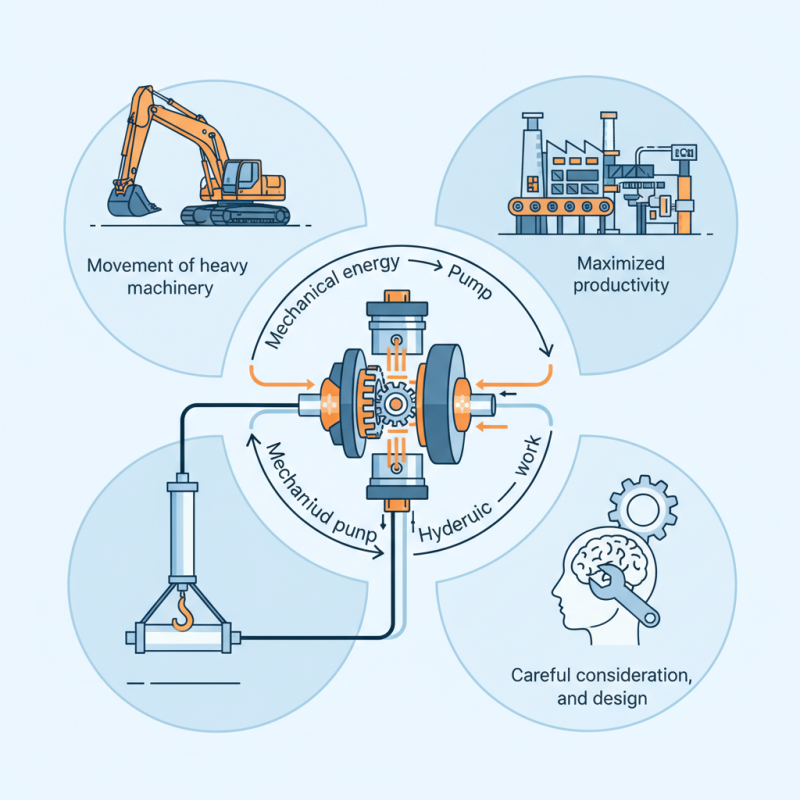
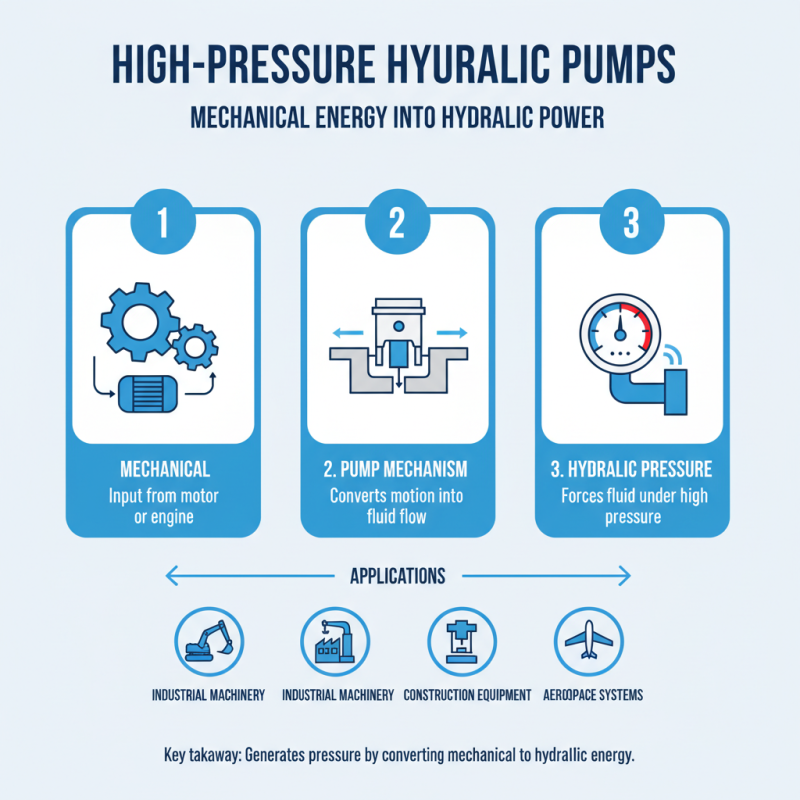
A high pressure hydraulic pump is a vital component in many industrial applications. This device transforms mechanical energy into hydraulic energy. It pushes hydraulic fluid through a system. This process creates pressure to operate machinery effectively.
These pumps typically use various mechanisms, including gear, piston, or diaphragm designs. Each design has its advantages and limitations. For instance, piston pumps can generate extremely high pressures but may require more maintenance than gear pumps. This can lead to operational challenges over time.
Proper installation and maintenance are crucial for optimal performance. Neglecting routine checks can cause leaks or mechanical failures. Understanding the specific requirements of your system is essential. Each application may react differently, creating unforeseen difficulties. Keeping these factors in mind can enhance the overall efficiency of hydraulic systems.
| Dimension | Description | Value |
|---|---|---|
| Max Pressure | The maximum pressure the pump can generate. | 6000 psi |
| Flow Rate | The volume of fluid the pump can move per unit time. | 15 GPM |
| Power Source | The type of energy used to operate the pump. | Electric Motor |
| Application | Common uses for the pump in various industries. | Construction, Manufacturing, Automotive |
| Material | The material used for the pump construction. | Cast Iron |
| Weight | The total weight of the pump unit. | 250 lbs |
High pressure hydraulic pumps are vital in various industrial applications. They convert mechanical energy into hydraulic energy. Their effectiveness relies heavily on key components that ensure optimum performance and reliability.
One essential component is the pump's casing. It contains the hydraulic fluid and withstands high pressure. Materials like cast iron or aluminum alloy are commonly used. The casing design affects efficiency and durability. Next, we have the impeller or piston. Both are crucial for fluid movement. They create pressure by moving fluid through the system. Reports indicate that efficiency losses can occur if the impeller design is not optimized.
Another important element is the seals. They prevent fluid leaks, which can lead to safety hazards. Poorly designed seals may compromise the system's integrity. According to industry studies, nearly 30% of hydraulic failures are attributed to seal issues. Regular maintenance and inspection are necessary to mitigate these risks. High pressure hydraulic pumps are complex machines. Understanding their components aids in selecting the right pump for specific applications.
High pressure hydraulic pumps serve as crucial components in various industrial applications. They generate high pressure by using a combination of mechanical and fluid dynamics. Understanding how these pumps work reveals the intricacies behind their effectiveness.
High pressure is created through a series of phases. The pump draws hydraulic fluid into a chamber. This fluid is then compressed by a piston or gear mechanism. As the fluid is compressed, its volume decreases while pressure increases. This transformation occurs rapidly, often requiring precise engineering. The design of the pump’s components significantly impacts efficiency and performance.
However, not all hydraulic pumps operate flawlessly. Issues such as cavitation can occur when air enters the system. This can lead to unexpected pressure drops and inefficiencies. Regular maintenance is essential to prevent such problems. Observing performance trends can highlight areas needing attention. A high pressure hydraulic pump is powerful, yet it demands respect and careful handling. The balance between pressure generation and system stability is crucial for optimal operation.
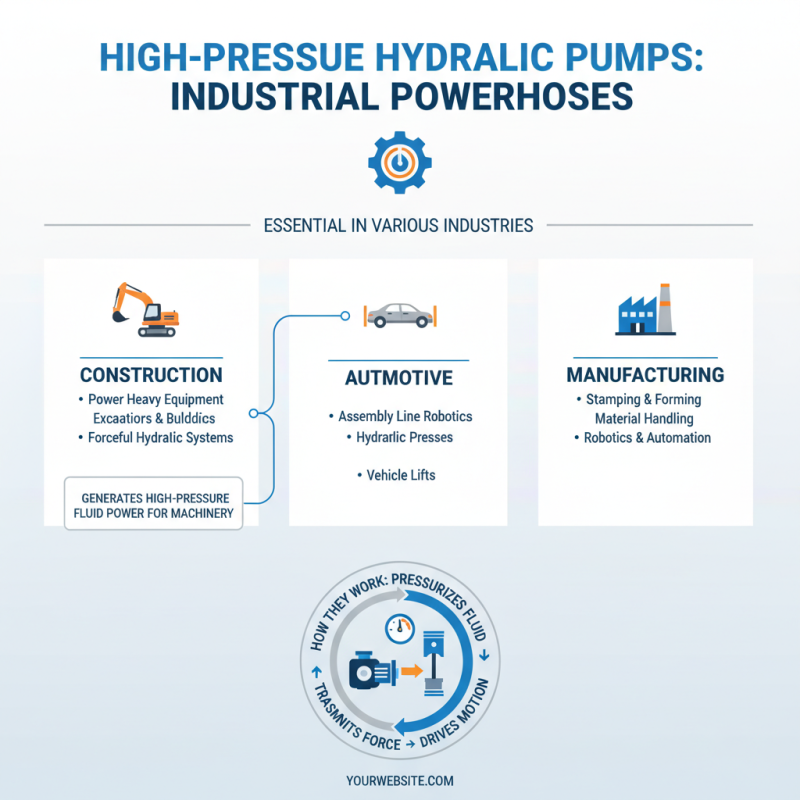
High pressure hydraulic pumps play a critical role across various industries, notably construction, manufacturing, and automotive. These pumps are essential in tasks requiring substantial force. For example, they are often used for lifting heavy machinery or powering complex assembly lines. According to a 2022 report by the Hydraulic Institute, the global hydraulic pump market is expected to reach $48 billion by 2025, reflecting steady growth.
In the construction industry, these pumps drive hydraulic excavators and bulldozers. They manage high loads efficiently and enhance precision. Manufacturing plants rely on hydraulic pumps for metal stamping and molding. This technology allows for intricate designs and reduces waste. The automotive sector also benefits, using high pressure systems for brake systems and power steering.
Tip: Regular maintenance of hydraulic pumps is crucial. A worn-out pump can lead to inefficiencies and increased downtime, which can affect productivity.
While the advantages of high pressure hydraulic pumps are significant, they are not without challenges. Leakage in hydraulic systems can result in energy loss and environmental risks. Technicians must regularly inspect seals and hoses. This oversight can prevent costly failures.
Tip: Invest in quality components to enhance pump reliability. Not all parts perform at the same level. Always prioritize quality over cost when selecting hydraulic features.
High-pressure hydraulic pumps are crucial for many industrial applications. Regular maintenance is essential to ensure their optimal performance. Regularly inspect hoses for wear and tear. Look for leaks or signs of fluid degradation. Checking the oil levels is often overlooked but vital for pump longevity.
Troubleshooting can be tricky. If the pump is making unusual noises, it might indicate internal damage. Sudden drops in pressure could suggest blocked filters. Addressing these issues early can prevent costly repairs. Sometimes, a simple clean can resolve performance issues.
While performing maintenance, always use protective gear. Some operators skip this step, but safety should be a priority. Documenting maintenance activities is also beneficial. It helps identify patterns and recurring issues. Engaging in routine checks makes a real difference in pump reliability.