High Pressure Chemical Pump Buying Guide for Global Buyers?

The demand for High Pressure Chemical Pumps is rising globally. Industries need reliable solutions for transporting hazardous liquids safely and efficiently. When selecting a pump, buyers face numerous options. Understanding the critical aspects of these pumps is essential.

High Pressure Chemical Pumps come in various designs and materials. Each type caters to specific applications. Buyers must assess factors like pressure ratings, flow rates, and compatibility with chemicals. These details can influence the performance and longevity of the pump. A well-informed choice leads to better operational efficiency.

Navigating the market can be challenging. Many brands claim superiority, yet not all deliver tested performance. Reliability and experience play crucial roles in evaluating manufacturers. With the right knowledge and understanding, buyers can avoid costly mistakes and enhance their operations.
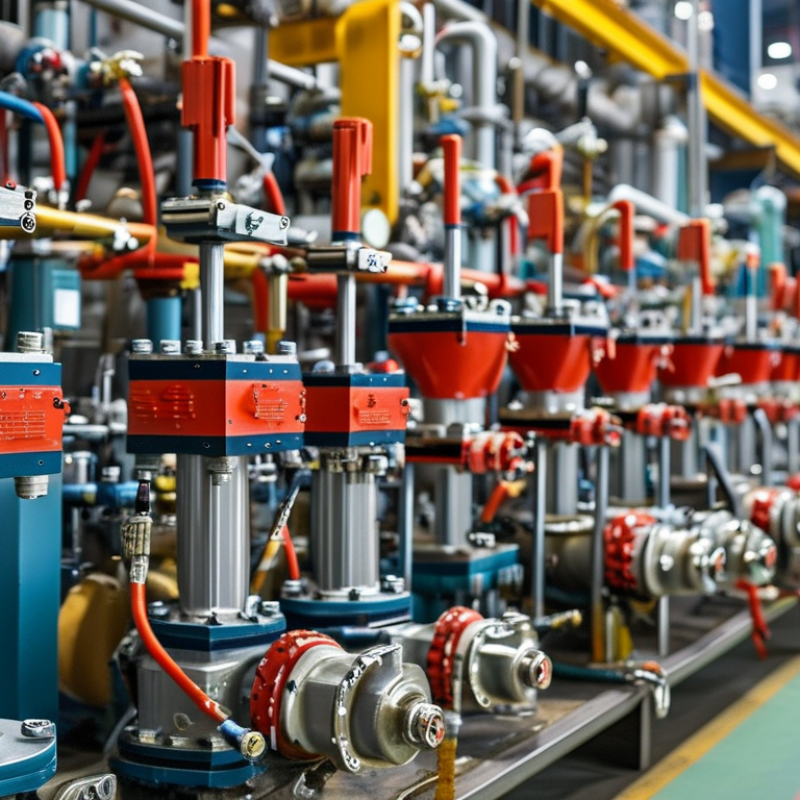
High Pressure Chemical Pump Buying Guide for Global Buyers?

Introduction to High Pressure Chemical Pumps

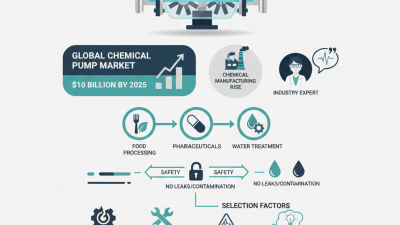
High pressure chemical pumps play a critical role in various industries, including petrochemical, pharmaceutical, and food processing. These pumps are designed to handle aggressive fluids under intense conditions. The global market for high pressure chemical pumps is projected to grow at a CAGR of around 6% from 2023 to 2030, according to a recent industry analysis. Companies realize that investing in high-quality pumps can enhance operational efficiency and reduce maintenance costs.

Selecting the right high pressure chemical pump requires understanding its operational parameters. Key factors include flow rate, pressure capacity, and material compatibility with the fluid being transported. A study by the European Pump Manufacturers Association highlighted that incorrect pump selection can lead to up to a 20% increase in operational inefficiencies. Buyers must consider how their chosen models perform under varying pressure levels.

Incorporating advanced technologies can improve the reliability of high pressure chemical pumps. However, potential buyers should reflect on their specific needs and challenges. Ensuring proper installation and maintenance is equally vital. Neglecting these aspects could lead to failures, raising safety and financial concerns. Investing time in thorough research will pay off in increased longevity and performance of the pumps.

High Pressure Chemical Pump Data Overview

Pump Type Max Pressure (psi) Flow Rate (GPM) Material Temperature Range (°F)
Diaphragm Pump 5000 5 Stainless Steel -20 to 180
Centrifugal Pump 3000 20 Polypropylene 32 to 160
Gear Pump 4000 10 Cast Iron -10 to 150
Piston Pump 6000 15 Bronze -20 to 200

Key Factors to Consider When Buying High Pressure Chemical Pumps

When purchasing high pressure chemical pumps, several key factors demand your attention. First, consider the materials used in the pump's construction. Corrosion resistance is vital, especially when handling aggressive chemicals. Reports indicate that nearly 30% of pump failures result from material degradation. Choosing pumps made from high-grade stainless steel or special alloys can enhance longevity.

Additionally, evaluate the pump's flow rate and pressure specifications. High pressure chemical pumps commonly operate between 500 to 5,000 psi. Understanding your specific application needs helps avoid underperformance or inefficient operations. Industry data show that improper sizing can lead to a 20% increase in energy consumption.

Understand operational requirements. Look into the pump's efficiency ratings and maintenance needs. Many pumps require regular inspections and part replacements, which can affect your total cost of ownership. Inadequate maintenance often leads to unexpected failures.

Attention to detail can save you time and money. Inspect the specifications thoroughly before making a decision. Simplify your search by consulting with industry experts or trusted sources. They can provide insights based on real-world experiences and comparisons. Remember, a well-informed choice today minimizes future headaches.

Types of High Pressure Chemical Pumps and Their Applications

High pressure chemical pumps play a vital role in various industries, including chemical processing, pharmaceuticals, and food manufacturing. These pumps are designed to handle aggressive and corrosive liquids, ensuring safe and efficient transportation. The key types include diaphragm pumps, centrifugal pumps, and positive displacement pumps. Each type has specific applications based on fluid properties and operational requirements. Diaphragm pumps, for instance, are ideal for transferring viscous liquids, while centrifugal pumps excel in high flow rates.

When selecting a high pressure chemical pump, consider factors like chemical compatibility, temperature, and pressure range. It's essential to ensure that materials used in the pump construction can withstand the specific chemicals being handled. In some cases, irregularities in pump performance may arise, such as pressure drops or leakage. Regular maintenance is crucial to identify such issues early and prolong the pump's operational life.

Understanding the nuances of different pump types and their applications can lead to better decision-making. Buyers should also analyze their unique operational needs. Factors like space constraints, energy efficiency, and integration with existing systems can heavily influence the best choice. This process requires careful consideration and reflection on past experiences and potential challenges.

High Pressure Chemical Pumps Overview

This chart illustrates the various types of high pressure chemical pumps and their applications across different industries. The data represents the average application percentage for each pump type in various sectors.

Common Materials Used in High Pressure Chemical Pumps

When selecting materials for high pressure chemical pumps, understanding their properties is essential. Common materials include stainless steel, titanium, and various alloys. Each material has a distinct role based on pressure tolerance and resistance to corrosive agents.

Stainless steel is favored for its strength and corrosion resistance. According to the Global Market Insights report, approximately 40% of chemical pumps are constructed from stainless steel. This material is particularly effective in managing significant pressure variations. However, it can be more expensive than other options, which poses challenges for budgeting.

Titanium is another choice, known for its lightweight and high-strength qualities. It excels in applications involving corrosive chemicals. Yet, its high cost restricts its use to specialty applications. Polypropylene and PVDF are also frequently utilized for their chemical resistance and lower cost, but they may not always support high pressure requirements effectively.

While these materials have clear benefits, engineering challenges still arise in ensuring compatibility with various chemicals. Balancing cost, performance, and durability remains a crucial yet complex task for buyers.

Maintenance Tips for High Pressure Chemical Pumps

High pressure chemical pumps are critical in many industries. Regular maintenance is essential to ensure their longevity and efficiency. Understanding how to properly care for these pumps can help prevent costly downtime and repairs.

Routine inspections are vital. Check for leaks and unusual noises during operation. These signs often indicate underlying issues. Flushing the pump regularly with clean water can remove contaminants. This simple step prevents corrosion and buildup inside the system. Pay attention to the seals and gaskets, as they wear out over time and may need replacement.

It’s crucial to maintain proper lubrication. Follow the manufacturer’s guidelines for oil changes and lubrication intervals. Sometimes, overlooking this can lead to friction and damage. Additionally, keeping an accurate log of maintenance activities allows for better tracking of pump performance. Such a record can highlight patterns and potential problems early. Regular training for personnel can also ensure that everyone understands pump operation and maintenance protocols. This collective awareness can significantly reduce errors and improve overall reliability.

Go to Top