
What is an FRP Pipe Machine and How Does It Work?

The frp pipe machine is integral in producing fiber-reinforced plastic pipes. This technology offers numerous benefits. It is durable, lightweight, and resistant to corrosion. Industries use these pipes extensively, due to their strength and versatility.

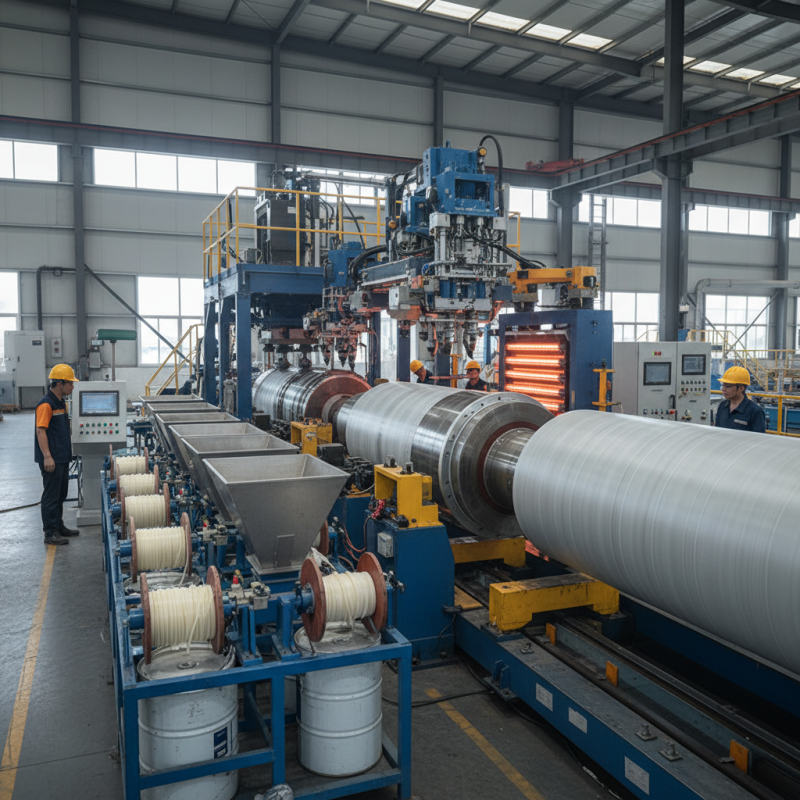
The operation of an frp pipe machine involves several steps. First, raw materials are fed into the machine. These materials include fiberglass and resin. They undergo a process of mixing and molding, which requires precision and attention. The end product is a pipe that can withstand high pressures and harsh environments.

However, challenges exist in operating an FRP pipe machine. Maintaining consistency in the production process is crucial. Small errors can lead to defects in the final product. Manufacturers must constantly evaluate their procedures. Continuous improvement is key to achieving the best results. The potential of FRP pipes is vast, but refinement in production techniques is essential for maximizing quality.
What is an FRP Pipe Machine and How Does It Work?

Overview of FRP Pipes and Their Applications

FRP pipes, or Fiber Reinforced Plastic pipes, are becoming increasingly popular in various industries. These pipes are lightweight yet strong, which makes them ideal for transport and installation. They resist corrosion, making them suitable for chemical and wastewater applications. Unlike traditional materials, FRP pipes offer a longer lifespan and require less maintenance.

The versatility of FRP pipes leads to their use in numerous applications. They are common in the oil and gas sector, often used for transporting fluids. In construction, these pipes are utilized for drainage and insulation. Their flexibility allows for various shapes and sizes, making them adaptable to different projects. However, there is still a need to address environmental concerns associated with plastic materials.

While FRP pipes excel in durability, the manufacturing process can pose challenges. Producing them requires careful handling of materials to maintain quality. Improper techniques could lead to weaknesses in the structure. As industries expand their use of FRP technology, understanding these limitations becomes crucial for future advancements.

FRP Pipe Applications and Production Volume

Components of an FRP Pipe Machine

An FRP (Fiber Reinforced Polymer) pipe machine consists of several key components that work together to produce strong, durable pipes. The core elements include a resin mixing unit, a filament winding system, and a curing process unit. The resin mixing unit blends polyester or epoxy resins with additives, ensuring optimal performance in diverse environments.

The filament winding system shapes the resin-soaked fibers into pipes. It uses rotating mandrels to create various diameters and wall thicknesses. The process requires precision. Any errors in winding can lead to weak spots. Regular maintenance of this equipment is crucial to avoid costly mistakes in production.

Tips for operating an FRP pipe machine effectively include ensuring your resin and fibers are of high quality. Monitor the temperature and humidity levels in the workshop. These factors influence curing times and pipe strength. Additionally, inspect your machinery frequently. Small issues can escalate into significant setbacks if overlooked. Stay proactive in your maintenance routines. This vigilance leads to better-quality products.

Working Principle of an FRP Pipe Machine

The FRP pipe machine operates on a fascinating principle. It combines two main components: resin and reinforcement materials. The resin is a liquid that hardens over time. The reinforcement materials, often fiberglass, provide strength and flexibility to the resulting pipe. This blend creates a strong, lightweight product ideal for various applications.

During the manufacturing process, the machine mixes the resin and reinforcement materials thoroughly. The mixture is then shaped into pipes using specialized molds. Heating is applied to accelerate the curing process. This method ensures that the pipes are not only durable but also resistant to corrosion. However, achieving the perfect balance of ingredients can be challenging. Inconsistent mixing can lead to weaknesses in the final product.

Workflows can become complex, especially in large-scale production. Operators need to monitor each step closely. Equipment jams or curing issues can disrupt the process. Even minor adjustments may affect the pipe's quality significantly. Therefore, ongoing reflection and improvement of techniques are essential to ensure optimal performance.

Manufacturing Process of FRP Pipes

The manufacturing process of FRP (Fiber Reinforced Plastic) pipes is intricate and requires precision. These pipes are made by combining a resin matrix with glass or carbon fibers. This combination enhances strength and durability. FRP pipes are popular because they resist chemicals and corrosion, making them ideal for various industries.

The process begins with preparing the resin and reinforcement material. Once mixed, the material is often formed into a specific pipe shape using a winding process. Industry studies show that this method improves the structural integrity of the pipes. According to a report by Global Market Insights, the market for FRP pipes is expected to exceed $8 billion by 2026. This growth indicates a rising demand for these pipes, primarily due to their lightweight properties and long service life.

Despite their advantages, the manufacturing process can be challenging. Maintaining consistency in the resin cure time is crucial. Minor errors can lead to weaknesses in the finished product. Additionally, workers need adequate training to handle the materials safely. Some manufacturers face difficulties with waste management and recycling of leftover materials. Overall, the FRP pipe production process shows potential but requires constant improvement and adherence to quality standards.

Advantages of Using FRP Pipes in Industry

FRP pipes have become popular in various industries due to their unique advantages. They are lightweight yet strong, making them easy to install. FRP pipes resist corrosion, which extends their lifespan. This is crucial in environments where chemicals are present. Their durability reduces the need for frequent repairs.

Using FRP pipes can lower overall costs. They require less maintenance compared to traditional materials. Additionally, they can handle a wide range of temperatures. Many industries find this beneficial, especially in water treatment and oil and gas. The strength of FRP allows for thinner walls, which means less material is needed.

Tips: When considering FRP for your projects, think about the specific environmental conditions. Check if the pipe will face extreme temperatures or aggressive chemicals. Research shows that proper installation also plays a key role in performance. Even small mistakes can lead to issues later.

Choosing the right materials is essential. While FRP pipes are excellent in many situations, they may not suit every application. Sometimes, traditional materials might be the better choice. Always assess your project needs carefully.

Go to Top