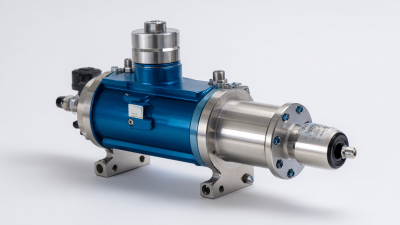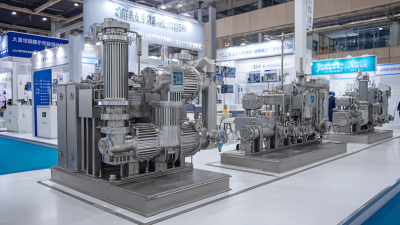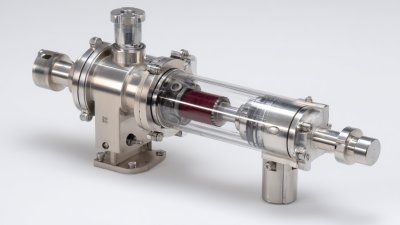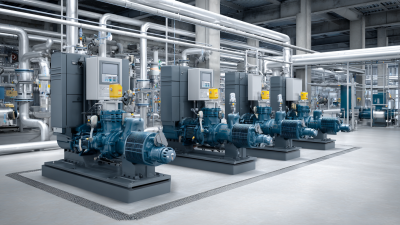
The Solenoid Metering Pump is a critical tool in various industries, including water treatment and chemical processing. According to a report by MarketsandMarkets, the global metering pump market is projected to reach $4.3 billion by 2025. This growth highlights the importance of effective use and optimization of such equipment.
Integrating the Solenoid Metering Pump into an operational workflow requires careful consideration. Users must be aware of calibration, maintenance, and fluid compatibility. A common pitfall is neglecting regular maintenance, leading to mechanical failure and inefficiency. Reports suggest that up to 25% of metering pumps fail due to improper handling.
Operators can improve performance with best practices tailored for the Solenoid Metering Pump. Understanding dosage accuracy and flow rates is essential. However, many users overlook these critical factors, resulting in less than ideal outcomes. In this environment of increasing demands, professionals must reflect on their methods. Continuous learning and adaptation can drive efficiency and ensure reliability in operations.
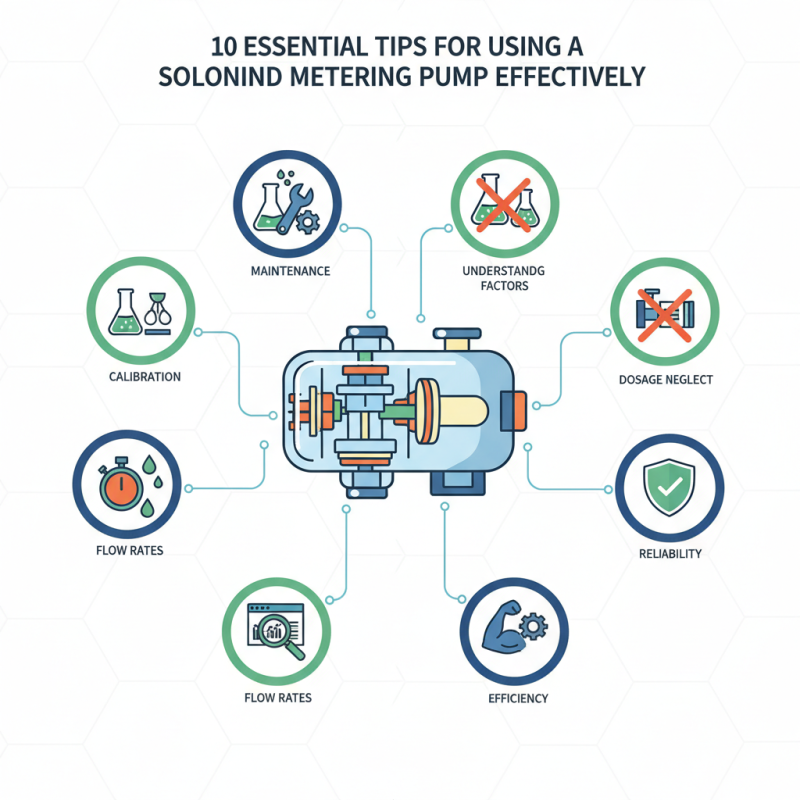
Solenoid metering pumps are vital tools in various industries. They provide accurate fluid dosing for water treatment, chemical processing, and food manufacturing. Understanding their applications helps optimize performance and increase efficiency. A report from the International Pumps Association shows that solenoid pumps facilitate precise flow rates, often within 1% accuracy.
When using solenoid metering pumps, proper maintenance is crucial. Regular inspections can prevent performance issues. Check seals and connections for leaks. Ensure that the pump is calibrated correctly. Even small discrepancies in calibration can lead to significant dosing errors over time.
Tip: Monitor the fluid viscosity regularly. Changes can affect pump performance.
In addition, understanding the specific requirements of your application enhances effectiveness. Know the chemical properties of the fluids being pumped. Some may corrode components or cause blockages. A study by the American Society of Mechanical Engineers highlights that incorrect fluid selection is a common cause of pump failures.
Tip: Use a flow meter to verify output periodically. It helps maintain accuracy in dosing.
Incorporating these strategies will enhance the longevity and reliability of your solenoid metering pump, ultimately benefiting your operational goals.

Choosing the right solenoid metering pump is crucial for effective dosing applications. With varying flow rates and pressures, each pump has distinct features. According to a recent industry report, improper selection can lead to up to a 30% decrease in system efficiency. Understanding the specifics of your application is fundamental. Are you dealing with corrosive chemicals or highly viscous fluids? This can significantly affect pump choice.
Flow rate is a primary consideration. Some applications need just a few milliliters per hour. Others require several liters per minute. You should also factor in the required accuracy. Many solenoid pumps boast repeatability of within 1%. However, achieving optimal performance often requires adjustments. It's essential to analyze the pump's capability against your operational needs.
Installation and maintenance are often overlooked aspects. A poorly installed pump can lead to leaks or pump damage. Additionally, user feedback indicates that regular calibration can improve long-term efficiency. However, some users fail to maintain their systems effectively. Neglecting these tasks can result in increased costs and operational downtime, challenging your overall productivity.
Proper installation of solenoid metering pumps is crucial for optimal performance. Many users overlook alignment issues, which can lead to operational failures. Research shows that misaligned pumps can reduce efficiency by up to 30%. Ensuring that the pump is level and securely mounted helps maintain consistent flow rates and prolongs the equipment's lifespan.
Attention to detail during the setup process can not be overemphasized. The selection of proper piping and fitting materials is important. Incompatible materials may cause leaks or other failures. A report from the Fluid Handling Association indicates that improper installation accounts for nearly 25% of all pump-related issues in the field. It's vital to carefully check all connections and ensure tight seals.
Monitoring parameters such as temperature and pressure is also essential. Ignoring these factors can lead to performance degradation. Regular maintenance checks are necessary, but not always performed. Many users tend to forget these crucial aspects. Adopting a proactive approach can significantly enhance the effectiveness of solenoid metering pumps. Consistent evaluation of the installation process can yield improved results and reduce unexpected downtime.
Routine maintenance is crucial for the optimal performance of a solenoid metering pump. Regular checks help identify wear and tear early. Inspecting seals and connections can prevent leaks. Pay attention to any unusual sounds during operation; they may indicate issues.
One essential tip is to clean the pump regularly. Dust and debris can clog the system. Use a soft cloth to wipe down the exterior. Ensure that the inlet and outlet are clear. It’s a simple step but often overlooked.
Another important practice is to verify the calibration of the pump. Incorrect settings can lead to improper dosing. Test the flow rate periodically. Slight deviations might not seem critical, but they add up over time. Remember, consistency is key in operations.
When using solenoid metering pumps, troubleshooting common issues is crucial for smooth operation. Often, pumps face challenges like inconsistent flow rates. This problem could stem from air entrapment in the pump head. If you notice fluctuations, check for trapped air. Bleeding the pump can restore a steady flow.
Another common issue is leakage. If you see any fluid escape, inspect the fittings and seals. Wear and tear can lead to leaks. Regularly check for damage and replace parts as needed. Not addressing these leaks can impact system efficiency.
Additionally, monitor the power supply. An unstable voltage can disrupt performance. Voltage spikes or drops can cause inconsistent pump behavior. Ensure your power source is reliable. Take time to assess these aspects regularly. Ignoring them may result in bigger problems down the road.