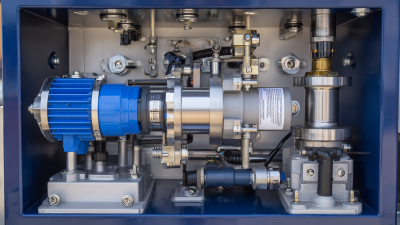
In the realm of agriculture and residential water management, mastering the techniques of how to effectively pump water is paramount. According to John Smith, a leading expert in the water management industry, “Harnessing the power of water pumps can transform the efficiency of irrigation systems and enhance home water supply.” As the demand for sustainable water solutions grows, understanding the mechanics and applications of water pumping becomes increasingly critical for both farmers and homeowners alike.
Water pumps serve as the backbone of effective irrigation practices, allowing for the distribution of water to crops at optimal times and in desired quantities. Furthermore, in home use, efficient water pumping systems ensure a consistent supply for domestic needs, from gardening to daily hygiene. With advances in technology and a wealth of methods available, integrating the right pump water strategy can lead to improved crop yields and enhanced quality of life. This guide will explore various methods and best practices to maximize the effectiveness of pumping water, ensuring a reliable resource for both agricultural and residential applications.
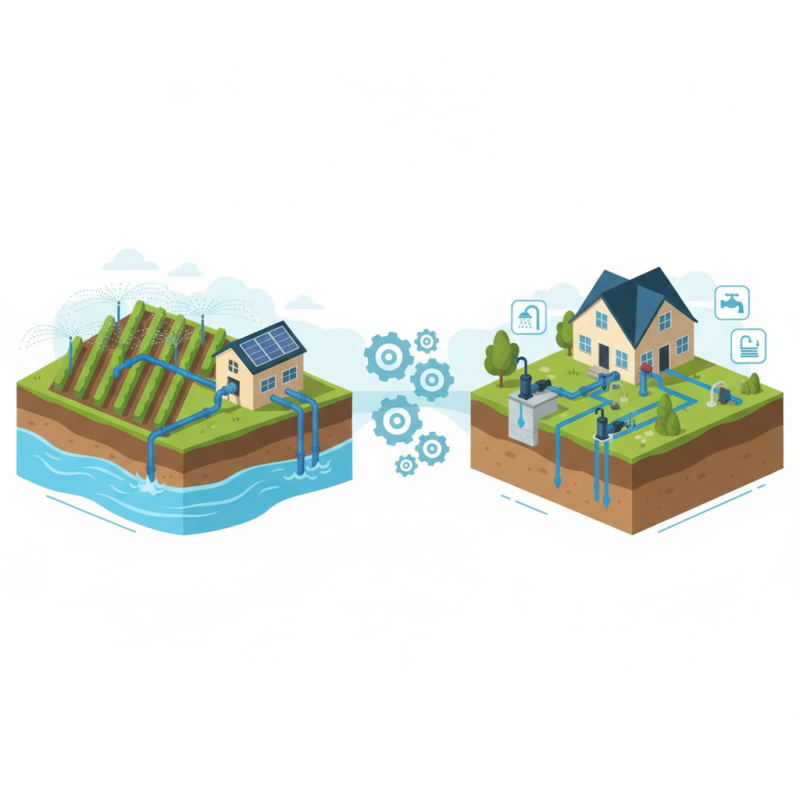
Water pumping plays a crucial role in both agricultural irrigation and residential water supply, making it an essential component for sustaining daily life and agricultural productivity. According to the Food and Agriculture Organization (FAO), more than 40% of the world's food is produced from irrigated land. This significant statistic highlights the necessity for efficient water pumping systems that ensure crops receive adequate hydration, ultimately contributing to food security. With increasing global temperatures and changing precipitation patterns, the demand for effective irrigation solutions is more pressing than ever.
For households, water pumps provide a reliable source of clean water, crucial for drinking, cooking, and sanitation. The U.S. Geological Survey (USGS) estimates that approximately 13% of the US population relies on private groundwater sources. Properly designed and maintained pumping systems can help prevent issues such as contamination and over-extraction, which can arise from improper usage. Furthermore, the efficiency of water pump systems can lead to substantial energy savings; the Department of Energy reports that optimizing pump operations can reduce energy consumption by as much as 20-30%. These figures underline the importance of understanding both the operational efficiency and ecological impact of water pumping in our efforts to promote sustainable practices in irrigation and home water use.
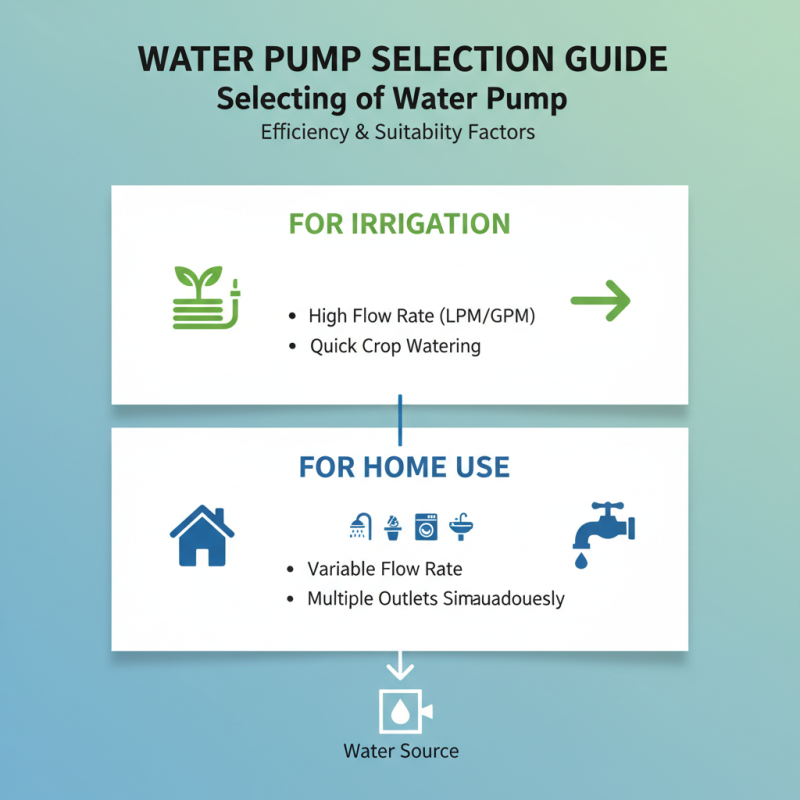
When it comes to effective water pumping for irrigation and domestic use, selecting the right type of pump is crucial. Among the various options available, centrifugal pumps, submersible pumps, and diaphragm pumps are widely recognized for their efficiency in different applications. According to a report from the International Water Management Institute, proper pump selection can increase irrigation efficiency by up to 30%, significantly reducing water wastage and enhancing crop yields.
Centrifugal pumps are particularly suited for surface water applications, as they can move large volumes of water with ease. They operate by converting rotational kinetic energy into hydrodynamic energy, making them a popular choice for agricultural irrigation systems. On the other hand, submersible pumps are ideal for deeper water extraction, perfect for households or farms relying on groundwater sources. They function by pushing water to the surface and are often more energy-efficient than their counterparts. Diaphragm pumps, known for their ability to handle viscous fluids and slurries, can be beneficial in situations where water quality is not optimal.
Tips: When selecting a pump, consider the specific requirements of your irrigation system or household needs. Pay attention to the pump’s flow rate and pressure specifications to ensure it meets your demands. Regular maintenance is also essential; cleaning filters and checking components can extend the life of your pump and maintain optimal performance. Understanding your water source type and the demands of your intended use can guide you in making an informed choice.
When selecting a water pump for irrigation and home use, there are several key factors to consider that can significantly impact its efficiency and suitability for your needs. First, it is crucial to determine the pump's flow rate, which indicates how much water the pump can deliver over a specific period. A higher flow rate is generally preferred for irrigation purposes, as it ensures that crops receive adequate water quickly. For home use, the required flow rate may vary depending on the number of outlets being serviced simultaneously, such as faucets and washing machines.
Another critical factor is the total dynamic head (TDH), which refers to the height the pump must lift water to get it to its desired location. This includes both the vertical lift and any friction loss due to the piping system. Understanding the TDH will help you choose a pump that can effectively overcome these challenges while delivering a consistent water supply. Additionally, consider the power source of the pump, whether it’s electric, gas, or solar. Each option has its own advantages and limitations regarding energy efficiency, maintenance, and operational costs, making it essential to align your choice with your specific requirements and environment.
Installing a water pump for irrigation and home use requires careful planning and execution to ensure efficiency and longevity. Begin by assessing your water source, which can be a well, pond, or municipal supply. According to the Irrigation Association, understanding the flow rate, measured in gallons per minute (GPM), and the total dynamic head (TDH) is crucial in selecting the right pump type. For instance, a centrifugal pump may be suitable for lower pressure needs, while a submersible pump is more effective for deeper water sources.
Once you have selected the appropriate pump, the installation process can begin. First, locate the pump site, ensuring it's close to the water source yet accessible for maintenance. It's recommended to install the pump on a stable, flat surface to prevent vibrations, which can lead to premature wear. Utilize PVC piping for connections to minimize leaks and ensure a steady flow. According to a report from the American Society of Agricultural and Biological Engineers, proper pipe sizing is critical; undersized pipes can restrict flow and reduce efficiency. Finally, include a pressure regulator and check valves to maintain consistent pressure and prevent backflow, optimizing the overall system performance for both irrigation and residential use.
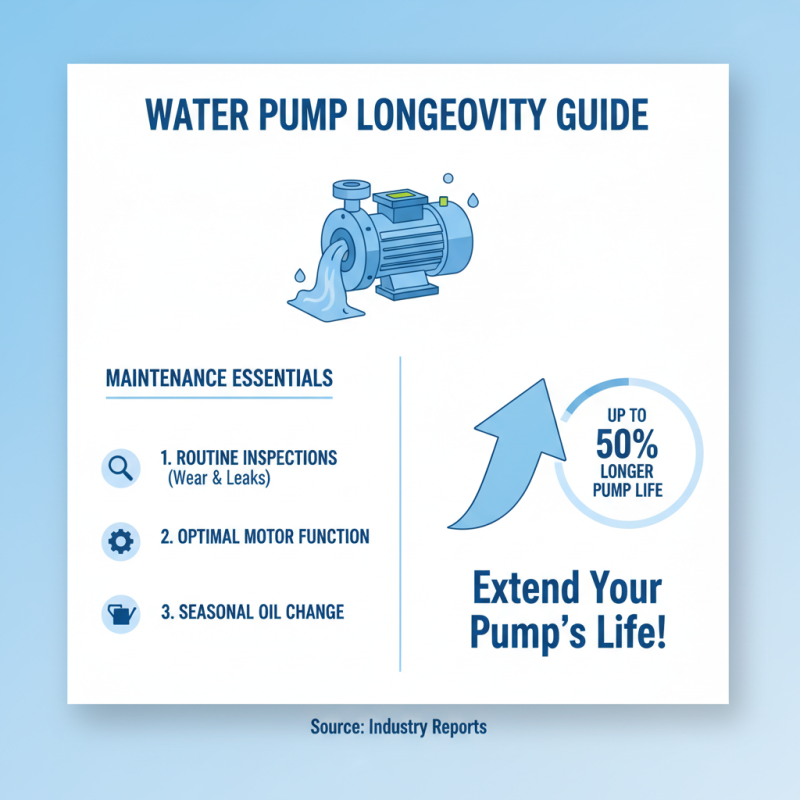
To ensure long-lasting performance of water pumps used for irrigation and home purposes, proper maintenance and troubleshooting are essential. According to industry reports, regular maintenance can extend the life of a pump by up to 50%. This includes routine inspections for wear and tear, checking for leaks, and ensuring that the motor is functioning optimally. It is advisable to change the oil in motor-driven pumps every season, ideally after heavy usage periods, to prevent buildup and degradation of the internal components.
Additionally, identifying and addressing common issues like air locks and clogged intake filters can significantly improve pump efficiency. Research indicates that a pump operating with a clogged filter can lose up to 25% of its efficiency, which not only affects water flow but also leads to increased energy costs. Regularly cleaning filters and ensuring that the pump operates with a clear intake can mitigate these problems. Moreover, maintaining the right water level and ensuring there are no obstructions in the water source can also enhance pump performance. By following these maintenance tips, users can ensure that their water pumps remain reliable and efficient for both irrigation and household needs.