Top 10 Effective Methods to Pump Water Efficiently at Home

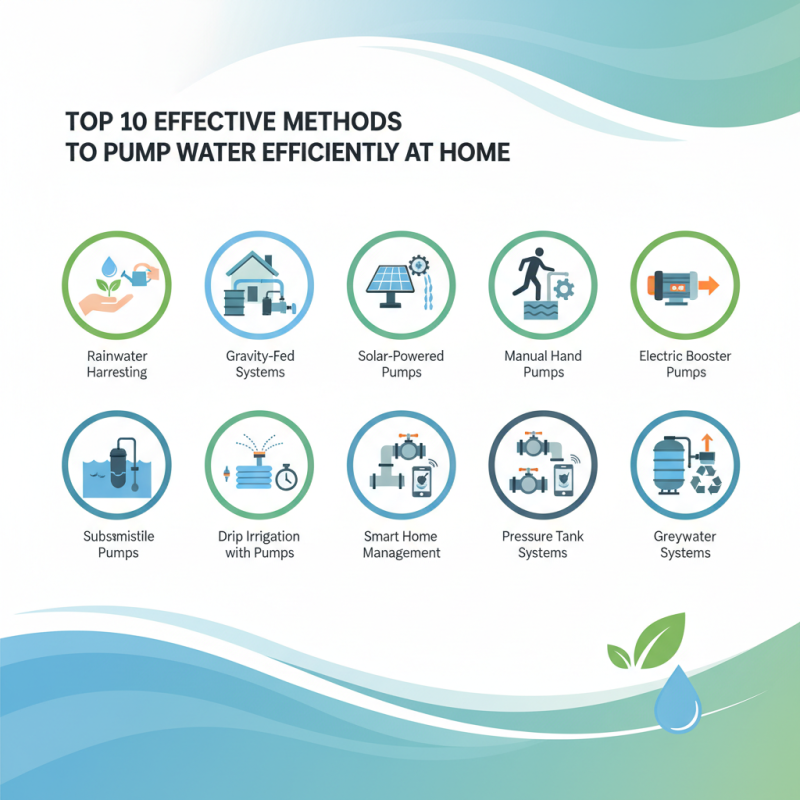
In today's world, efficient water management at home has become a pressing concern for many households. The ability to effectively pump water not only ensures a reliable supply for daily needs but also conserves precious resources and reduces energy consumption. From gardening to household chores, the methods used to pump water can significantly impact both convenience and sustainability. This article explores the top 10 effective methods to pump water efficiently at home, providing practical solutions that cater to diverse needs.

As water scarcity becomes an increasingly common issue, homeowners are seeking innovative ways to optimize their water usage. Understanding how to pump water effectively can lead to long-term savings and a smaller environmental footprint. Whether you are looking to enhance your irrigation system, manage rainwater, or simply improve your home's plumbing, these methods will equip you with the necessary tools to achieve your goals. By implementing these strategies, you can ensure that your home remains well-supplied with water while also playing a part in conserving this vital resource for future generations.
Top 10 Effective Methods to Pump Water Efficiently at Home

Understanding the Importance of Efficient Water Pumping at Home

Efficient water pumping at home is more than just a matter of convenience; it plays a crucial role in maintaining a sustainable and functional living environment. Proper water management ensures that households can meet their daily water needs without excessive waste. In regions where water supply is limited or infrastructure is outdated, understanding how to pump water effectively becomes vital. This knowledge enables homeowners to utilize their systems to optimize water usage, ultimately leading to reduced utility bills and a greener footprint.

Furthermore, the importance of efficient water pumping extends beyond immediate household needs. Efficient systems can enhance the resilience of homes in the face of natural challenges such as droughts or flooding. Implementing methods that support sustainable water pumping not only conserves valuable resources but also promotes responsible stewardship of the environment. By recognizing the significance of these practices, homeowners can cultivate a more robust water management strategy, ensuring long-term efficiency while contributing positively to their communities and the planet at large.
Top 10 Effective Methods to Pump Water Efficiently at Home

Common Techniques for Water Pumping: Pros and Cons

When it comes to pumping water at home, various techniques can be employed, each with distinct advantages and drawbacks. One common method is the use of submersible pumps, which are ideal for deep wells or flooded areas. These pumps operate underwater and are known for their efficiency and ability to handle large volumes of water. However, their installation can be more complex, and maintenance can be a challenge as they are submerged.

Another popular technique is the use of centrifugal pumps, which are particularly effective for moving water through pipes. They are relatively easy to install and maintain, making them a favorite for household applications. However, they may struggle with high viscosity liquids or when suction lift is required, potentially limiting their use in certain situations. Understanding the pros and cons of each technique is essential for homeowners to choose the most suitable method for their specific water pumping needs.

Selecting the Right Pump Type for Your Household Needs

Top 10 Effective Methods to Pump Water Efficiently at Home

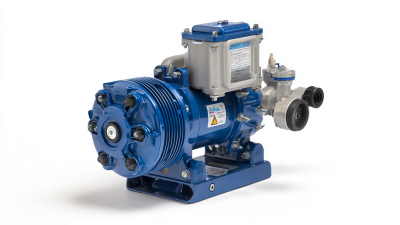
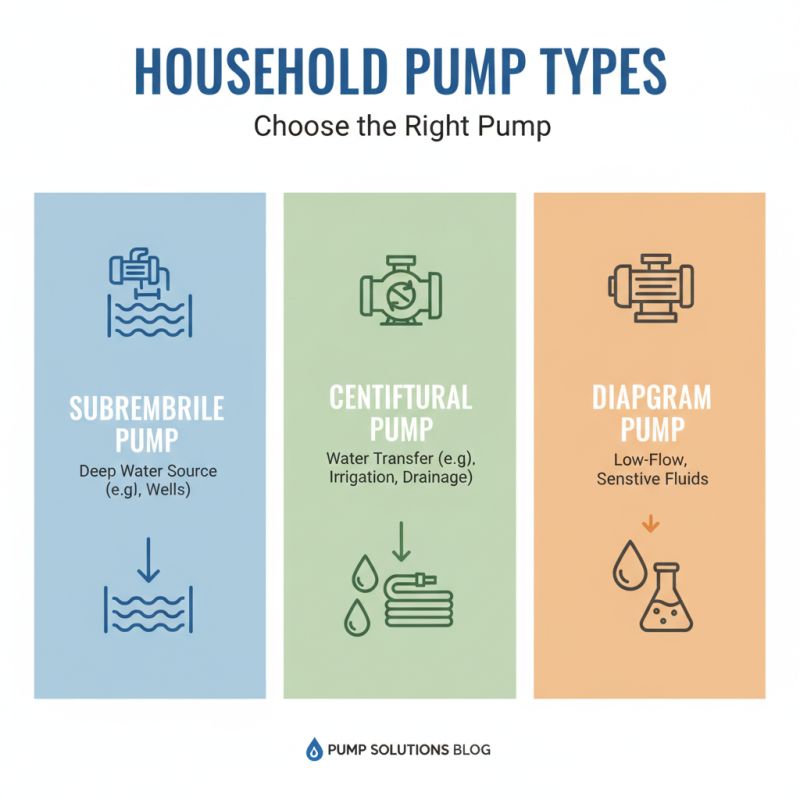
When selecting the right pump type for your household needs, it’s essential to first assess the specific tasks you require the pump for. There are various types of pumps, including submersible, centrifugal, and diaphragm pumps, each serving distinct purposes. For instance, if you need to draw water from a well or a deep source, a submersible pump is an ideal choice as it can operate underwater effectively. On the other hand, centrifugal pumps are perfect for transferring water from one location to another quickly, making them suitable for irrigation or drainage tasks.

Consider the capacity and power of the pump as well. Understanding the volume of water you need to move and how quickly you need it done is vital for selecting a pump that matches your requirements. Additionally, think about the energy source; electric pumps are common, but hand-operated options may be more appropriate in areas lacking reliable electricity. Overall, weighing these factors will help you choose a pump that ensures efficiency and meets your household demands effectively.

Optimizing Pumping Efficiency with Proper Maintenance Practices

To optimize pumping efficiency in your home, proper maintenance practices are essential. Regularly checking and replacing worn parts, such as seals and valves, can significantly prevent leaks and enhance performance. Dirt and debris buildup can lead to inefficiencies, so ensure that filters are cleaned or replaced as needed. Additionally, inspecting electrical connections frequently can prevent unexpected outages and prolong the life of your pump.

Tips: Schedule a monthly maintenance check-up for your pump system to ensure everything is functioning well. Keep a log of maintenance activities to track any recurring issues, allowing for timely intervention. Pay attention to any unusual sounds during operation, as these can be early indicators of potential problems.

Furthermore, focus on the placement and positioning of your pump. Ensuring that the pump is positioned at an optimal level can dramatically influence its efficiency. Avoid long, convoluted hoses or pipes that may create unnecessary resistance, and consider insulating any exposed pipes to prevent heat loss. Efficient water pumping starts with attention to detail in both maintenance and setup.

Tips: Install a pressure gauge to monitor performance and detect any drops in efficiency promptly. Regularly assess the energy consumption of the pump to identify any spikes that could suggest maintenance issues.

Innovative Technologies for Sustainable Water Pumping Solutions

Innovative technologies in water pumping have become essential for achieving sustainable solutions in residential settings. As global demand for water rises, improving efficiency in pumping systems can significantly impact both resource conservation and energy consumption. According to a report by the International Energy Agency (IEA), approximately 10% of global electricity consumption is attributed to water pumping systems, highlighting the need for energy-efficient technologies at home. Using solar-powered pumps, for instance, can dramatically reduce electricity usage while providing a reliable source of water, especially in regions with abundant sunlight.

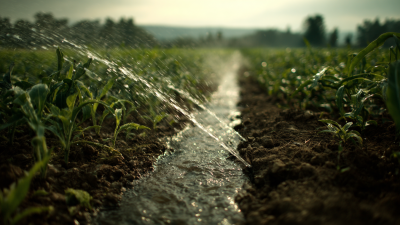
Moreover, advancements in sensor technology and smart systems have transformed traditional water pumping methods. Implementing automated controls and real-time monitoring can optimize water flow and reduce wastage significantly. A study published in the Journal of Water Resource and Protection indicated that smart irrigation systems, which use soil moisture sensors, can decrease water use by up to 50% compared to standard irrigation methods. These innovations not only enhance efficiency but also contribute to the sustainability goals set by various environmental agencies, ensuring that water management aligns with ecological preservation and responsible energy use.

Go to Top