How to Choose the Right High Pressure Pump for Your Needs?

Selecting the right High Pressure Pump is crucial for efficiency and performance. Industry reports highlight that nearly 70% of pump failures result from improper selection and application. A well-chosen pump ensures optimal operation and longevity. According to Dr. William Carter, a renowned expert in fluid dynamics, "Understanding your specific needs is essential for choosing the right High Pressure Pump."

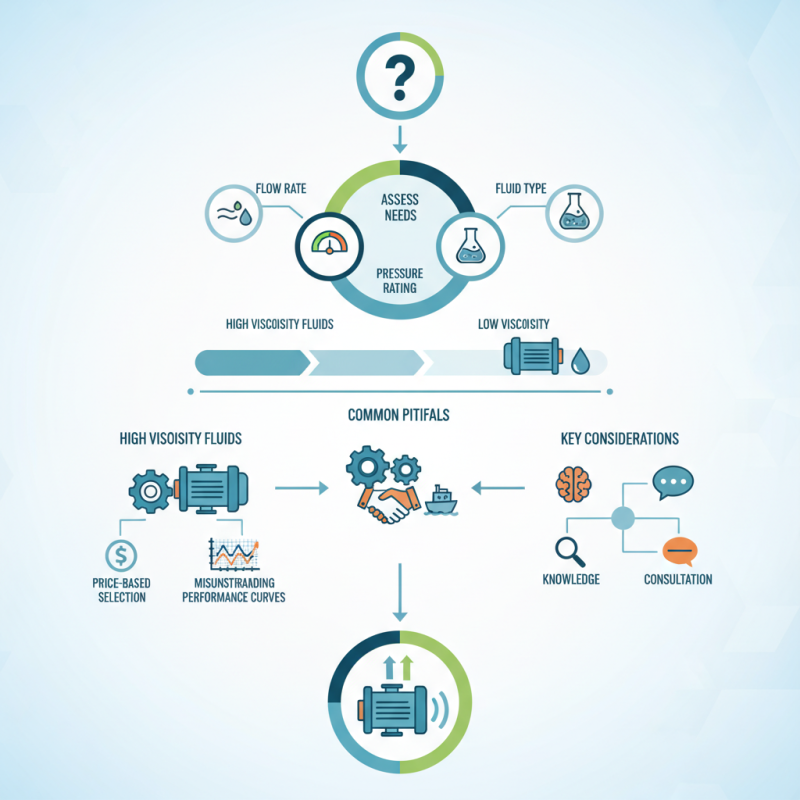
Choosing the right pump involves assessing various factors. Flow rate, pressure rating, and fluid type are vital considerations. For instance, high viscosity fluids require more robust designs. Ignoring these details can lead to efficiency losses and increased maintenance costs. Often, users underestimate the importance of matching pump specifications to their applications.

Moreover, it’s essential to recognize that no single pump fits all scenarios. The market offers diverse options, but confusion can arise from varying technical terms. Many operators grapple with understanding performance curves. This can lead to purchasing decisions based solely on price rather than suitability. Therefore, knowledge and consultation can significantly impact the effectiveness of your High Pressure Pump selection.
How to Choose the Right High Pressure Pump for Your Needs?

Understanding High Pressure Pumps and Their Applications

High pressure pumps are essential in various applications, from industrial cleaning to water jet cutting. Understanding their specifications and performance metrics is crucial. For instance, pressure ratings often range between 100 to 20,000 PSI, depending on the pump type. This versatility means a proper selection can enhance efficiency in tasks like power washing or surface preparation.

Tips: Always assess the required flow rate. A system needs to operate within its specified range. Too low can lead to inefficiency; too high could cause equipment damage.

In industry reports, 70% of maintenance issues arise from incorrect pump selection. Not considering the fluid's nature can lead to significant problems. Certain materials corrode easily under high pressure. Understanding these factors is critical.

Another challenge is energy consumption. High pressure pumps can consume substantial power. An efficient model can reduce operating costs significantly. Consider using variable speed drives to optimize energy use for varying workloads.
Key Factors to Consider When Choosing a High Pressure Pump

How to Choose the Right High Pressure Pump for Your Needs?

When selecting a high pressure pump, several key factors must be considered. Flow rate is critical. It denotes how much liquid the pump can handle in a given time. Industry standards suggest that a flow rate of 5 to 10 gallons per minute is typical for many applications. However, specialized tasks may require significantly higher rates. Analyze your needs carefully; oversizing can lead to inefficiencies.

Next, pressure capacity is essential. High pressure pumps can range from 100 psi to over 10,000 psi. Most industrial tasks demand a minimum of 1,500 psi. Too little pressure means inadequate performance. Ethylene glycol and water have different pressure needs. Failure to account for fluid viscosity can result in poor outcomes.

Durability is often overlooked. Not all pumps withstand harsh conditions. The materials used in construction determine longevity. For instance, stainless steel pumps resist corrosion better than plastic ones. Regular maintenance can extend lifespan but can be easily neglected. Address these common oversights to ensure optimal pump selection.

Types of High Pressure Pumps and Their Specific Uses

When selecting a high-pressure pump, understanding the various types available is crucial. There are piston pumps, diaphragm pumps, and gear pumps, among others. Each type serves distinct purposes and applications. For instance, piston pumps are ideal for heavy-duty cleaning tasks. They generate high pressure and deliver water efficiently. These pumps work well in industrial settings.

Diaphragm pumps are more versatile. They are often used in agriculture and chemical transfer. Their ability to handle different fluids makes them valuable. However, they may not produce the same pressure as piston pumps. This can limit their effectiveness in certain applications. Users often report issues with durability over time.

Gear pumps, on the other hand, excel in moving large volumes of liquid. They are commonly found in oil and fuel transfer systems. The simplicity of their design can be both a strength and a weakness. They might struggle with viscous fluids, requiring careful consideration. Knowing what you need helps in selecting the right pump. Carefully weigh your options and reflect on your specific needs.

Assessing Flow Rates and Pressure Requirements for Your Setup

Choosing the right high pressure pump starts with understanding your flow rate and pressure needs. Flow rate is often measured in gallons per minute (GPM) or liters per minute (LPM). Different applications require different flow rates. For example, industrial cleaning tasks might need 5 to 10 GPM, while agricultural irrigation may require more than 20 GPM. According to a recent industry report, 70% of users underestimate their flow needs, leading to inefficiencies.

Pressure is another crucial factor. You can see pressure measured in psi (pounds per square inch). Many applications demand specific pressure ranges. For instance, car washes often operate between 1,500 and 3,000 psi. Failing to assess this can result in inadequate performance. The same report revealed that 60% of projects fail to achieve desired outcomes due to improper pressure selection.

It's important to match the pump specifications to your actual requirements. Oversized pumps can waste energy and increase costs. Conversely, undersized pumps may lead to breakdowns. Assessing your needs accurately can prevent these problems. Consider peak usage times and fluctuations in demand. Remember, it's about finding balance.

High Pressure Pump Selection Guide

Pump Type Max Flow Rate (L/min) Max Pressure (bar) Power Source Applications
Diaphragm Pump 10 30 Electric Chemical Transfer
Gear Pump 20 100 Electric Hydraulic Systems
Piston Pump 5 150 Diesel High-Pressure Cleaning
Centrifugal Pump 30 50 Electric Irrigation
Submersible Pump 15 75 Electric Flood Control

Maintenance and Operational Considerations for High Pressure Pumps

How to Choose the Right High Pressure Pump for Your Needs?

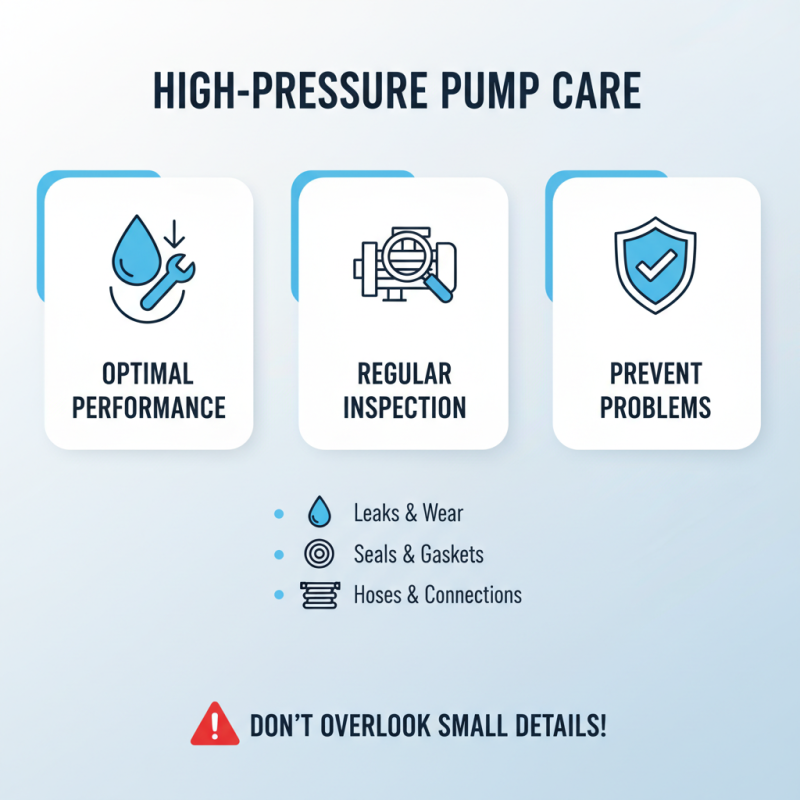
High pressure pumps are vital in various applications. Regular maintenance is crucial for optimal performance. Inspect the pump for leaks and wear. Check the seals, gaskets, and hoses frequently. Neglecting these small details can lead to significant problems later. You might overlook an issue, thinking everything is fine.

Cleaning the pump is necessary. Build-up can reduce efficiency and create pressure issues. Make sure to follow the manufacturer's guidelines for cleaning procedures. Use the right tools and techniques. Improper cleaning can cause damage. Test the pump’s pressure regularly. This simple step can reveal hidden issues.

Operational considerations matter just as much. Always operate within the pump’s specified range. Exceeding recommended limits can lead to early failure. Monitor the pump's temperature. Overheating can indicate serious trouble. Keep an eye on performance metrics. These will help you identify when something is off. Even small fluctuations can be a sign that maintenance is needed.

Go to Top