
How to Choose the Right Carbon Steel Pipe for Your Needs?

Choosing the right Carbon Steel Pipe can be a daunting task. With so many options available, it’s crucial to understand your specific needs. Carbon steel pipes are widely used in various industries, from construction to oil and gas. Their strength and durability make them a popular choice for many applications.

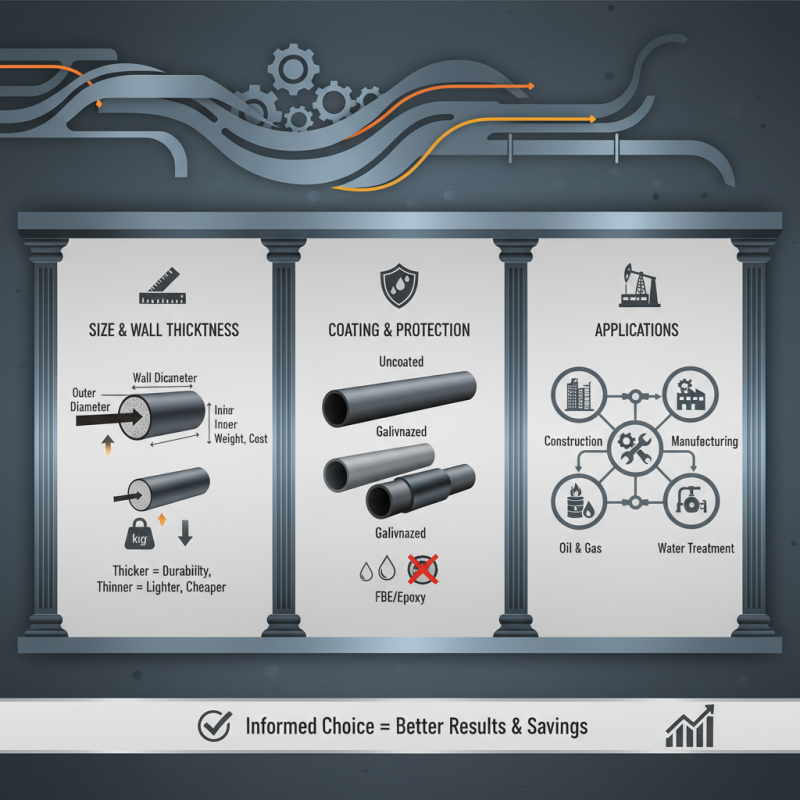
When selecting a carbon steel pipe, consider factors like size, wall thickness, and coating. Each detail impacts the pipe's performance and longevity. For instance, a thicker wall can enhance durability, but it may also increase weight and cost. It's easy to get overwhelmed by these technical specifications. Often, people rush into a choice without fully understanding the implications.

In this guide, we aim to demystify the selection process. We’ll explore essential tips and factors to consider. Ensuring you select the best carbon steel pipe for your project can lead to better results and potentially save money in the long run. Make informed choices; your project deserves it.
How to Choose the Right Carbon Steel Pipe for Your Needs?

Understanding Carbon Steel Pipe Grades and Their Applications

Choosing the right carbon steel pipe begins with understanding its grades. Each grade has specific properties tailored for different applications. For instance, ASTM A106 is common for high-temperature services. It’s suitable for power plants and petroleum refineries. But not all applications need the same durability.

Consider the nuances of pipe wall thickness and diameter too. A heavier pipe may provide more strength but at a higher cost. Remember that scheduling can complicate your selection. Schedule 40 pipes are often versatile, while Schedule 80 pipes offer increased pressure ratings. It's crucial to align your choice with the demands of your project.

Be aware of corrosion resistance as well. Some grades are more susceptible to rust. Others have inherent properties that protect against environmental factors. You might want to reflect on your needs: are aesthetics or functionality more important? Each decision shapes the success of your pipeline system.

Key Factors to Consider When Selecting Carbon Steel Pipes

When selecting carbon steel pipes, several key factors come into play. First, consider the pipe's specifications. Different applications require varying diameters, wall thicknesses, and grades. For instance, a thicker wall may offer better pressure resistance but can be heavier and more expensive. It's crucial to match the pipe to your specific requirements accurately.

Next, think about corrosion resistance. Carbon steel has a tendency to rust, especially in humid conditions. Therefore, applying coatings or selecting pipes with higher alloying elements could be beneficial. Understanding the environmental conditions where the pipes will be used can help prevent premature failure.

Finally, look at the relevant standards and certifications. Carbon steel pipes must meet certain guidelines to ensure safety and performance. Researching these standards can give you confidence in your choice. Selecting the right carbon steel pipe involves reviewing these aspects carefully. There is always room for improvement in this process. Engaging with experts can further enhance your understanding and help you make informed decisions.

How to Choose the Right Carbon Steel Pipe for Your Needs?

Understanding the dimensions and properties of carbon steel pipes is essential for selecting the appropriate type for your application. Below is a bar chart illustrating the key factors influencing the choice of carbon steel pipes based on their diameter and wall thickness.

Analyzing Pressure Ratings and Wall Thickness in Pipe Selection

When selecting a carbon steel pipe, understanding pressure ratings is crucial. Pressure ratings indicate the maximum pressure a pipe can handle safely. It's essential to match this rating with your project's requirements. Higher pressure ratings ensure better performance in demanding applications. However, opting for a higher rating often means increased costs and heavier materials. Balancing needs with budget is vital.

Wall thickness also plays a significant role in pipe selection. Thicker walls provide added strength and durability. They can withstand higher pressures but come with trade-offs. Increased wall thickness usually leads to heavier pipes and may require larger support structures. This could complicate installation and increase labor costs. Finding the right thickness means considering both strength and practicality.

Choosing the appropriate pipe is not purely technical. Experience from previous projects can significantly influence decisions. Sometimes, knowing the limits of materials can save future headaches. A thoughtful analysis of pressure ratings and wall thickness can lead to better project outcomes. It’s important to reevaluate choices against real-world scenarios to ensure reliability.

Evaluating Corrosion Resistance and Coating Options for Carbon Steel Pipes

When selecting carbon steel pipes, it is crucial to evaluate their corrosion resistance and coating options. Corrosion is a significant concern in various industries, especially in construction and oil transportation. Studies show that around 30% of pipeline failures stem from corrosion-related issues. This underscores the importance of proper material choices and protective measures.

Carbon steel pipes can undergo different coating processes to enhance their longevity. Common coatings include paint, epoxy, and galvanization. For instance, galvanization can reduce corrosion rates by over 50% in certain environments. However, not all coatings are equally effective. Factors such as environmental exposure and mechanical stress must be considered. A comprehensive analysis of these elements helps ensure that the chosen pipe meets the specific requirements of its application.

It's also vital to consider the potential downsides of coatings. Improper application can lead to peeling or inadequate protection. Furthermore, the longevity of coatings varies significantly. There isn't a one-size-fits-all solution. Regular maintenance and inspections are essential to ensure the protective layers remain intact. The balance of initial costs and long-term savings should guide your choices, keeping in mind that proactive measures can lead to greater durability and performance.

Cost Comparison: Carbon Steel vs. Other Pipe Materials in Industry

When choosing a pipe for industrial applications, cost plays a pivotal role. Carbon steel pipes are often favored for their durability and affordability. A cost comparison reveals that while carbon steel is typically less expensive than alternatives like stainless steel and plastic, the choice isn't always clear-cut.

For instance, stainless steel pipes offer higher corrosion resistance. However, this comes with a higher price tag. In non-corrosive environments, carbon steel can dramatically reduce expenditures. Sometimes, the initial savings may lead to future maintenance costs. Weighing these aspects helps in making an informed decision.

Tips: Assess the environment where the pipes will be used. Consider the potential for corrosion. If you choose carbon steel, factor in protective coatings or treatments. Regular inspections can mitigate long-term issues. Proper analysis of your specific needs will ensure the best fit for your project.

Go to Top