How to Choose the Best Plunger Pump for Your Needs
Choosing the right Plunger Pump starts with the job, not the catalog photo. A pump that performs well on clean water may struggle with a viscous chemical, abrasive slurry, or frequent start-stop cycles. Define the required flow rate and operating pressure, then check whether both must remain steady across the full duty cycle. Small details matter. Fluid temperature, solids content, and suction conditions can affect reliability just as much as headline specifications.
Material compatibility deserves careful attention. Review the pump head, plunger, seals, and valves against the fluid’s chemistry and temperature range. Ask how often seals need inspection, what routine maintenance involves, and whether replacement parts are readily available. A detailed manufacturer datasheet and clear service guidance are useful evidence; vague claims are not. In practice, a lower purchase price can become less attractive if downtime, energy use, or maintenance demands are high. Still, the most expensive model is not automatically the best fit.
This guide explains how to compare pump types, sizing requirements, materials, and control options. It also highlights questions to ask suppliers before committing to a system. No checklist removes every uncertainty. Real operating conditions can differ from the assumptions made during selection, so leave room to review performance after installation. A careful choice balances measurable requirements with the realities of access, upkeep, and the fluid being handled.
How Plunger Pumps Work and Where They Are Used
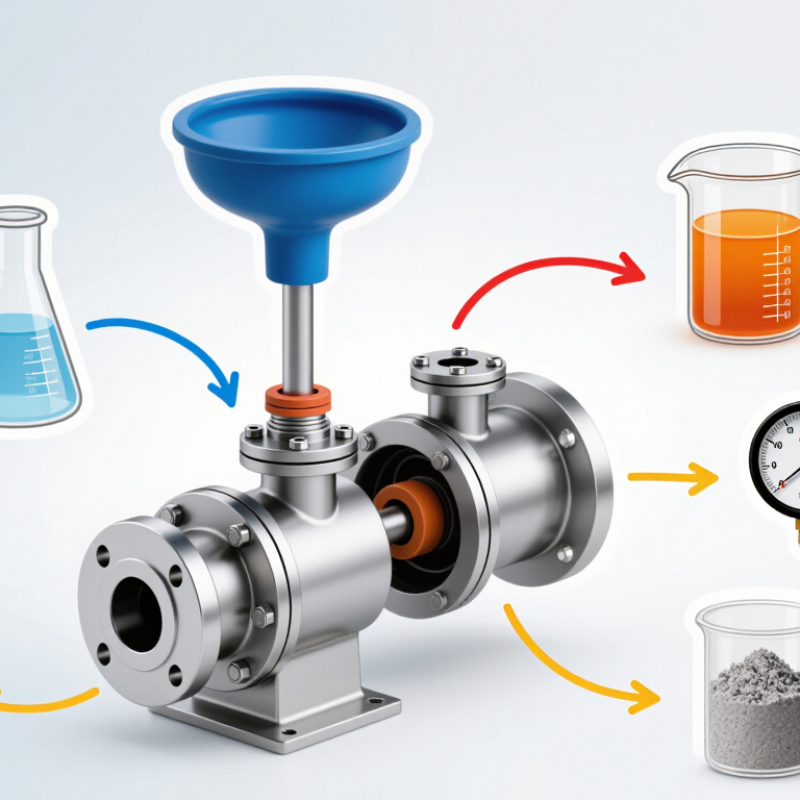
A plunger pump moves liquid through repeated back-and-forth motion. A motor turns a crank, which drives a close-fitting plunger through a sealed chamber. On the suction stroke, an inlet valve lets liquid enter. On the return stroke, the inlet closes and an outlet valve opens, pushing liquid into the discharge line. Each stroke delivers a measured volume. Pressure depends on the system’s resistance, so correctly rated piping and pressure-relief protection matter.
These pumps are used for pressure washing, water treatment, metered chemical dosing, and industrial cleaning. Their steady, high-pressure output suits tasks that need controlled flow. But they are not ideal for every liquid. Thick fluids, abrasive particles, or corrosive chemicals can increase wear or damage seals. Check the liquid’s properties, required flow rate, operating pressure, and wetted materials before choosing a pump. Real installations can be less predictable than a specification sheet suggests.
Tips: Confirm the pump’s pressure and flow ratings against actual operating conditions, not just peak values. Inspect seals and valves regularly, and watch for leaks, unusual vibration, or changing output. Keep the suction line short and adequately sized where practical. If the liquid contains particles, ask whether filtration or a different pump design is needed. A small compatibility detail can become an expensive repair.
Compare Pump Types, Materials, and Drive Options
How to Choose the Best Plunger Pump for Your Needs
Compare pump types against your actual duty cycle, not just the highest pressure on a sales sheet. A triplex pump often delivers smoother flow for continuous work, while a duplex design may suit some lower-speed applications. Confirm required flow and pressure together; a pump cannot always reach both maximum ratings at once. Check the manufacturer’s performance curve. That detail matters.
Material choice depends on the liquid, temperature, and cleaning routine. Stainless-steel wetted parts can resist corrosion in many applications, while ceramic plungers offer a hard, wear-resistant surface. Neither is universally best. Seal material must also match the fluid, or leaks and early wear may follow. Electric drives can be quieter and easier to control indoors; engine drives offer mobility where power is unavailable. Variable-speed control can help match output to changing demand, but adds complexity. I’d leave room for a maintenance check: the neatest specification may not be the easiest pump to service.
Tips: Compare duty cycle, inlet conditions, and fluid compatibility before choosing. Ask how often seals and valves need inspection. Leave some operating margin, but avoid oversizing without a clear reason.
Evaluate Efficiency, Controls, and Operating Costs
How to Choose the Best Plunger Pump for Your Needs
Evaluate Efficiency, Controls, and Operating Costs
A plunger pump should match your real flow and pressure requirements, not just its maximum rating. Check the fluid’s viscosity, temperature, and operating hours, too. These details affect power demand and seal wear. Small details matter. A pump that runs far above normal demand may waste energy through throttling or frequent cycling.
Compare efficiency at your usual operating point, rather than relying only on a peak-efficiency figure. Variable-speed control can help when demand changes, while steady-duty systems may benefit more from a correctly sized motor and pump. Look for clear pressure and flow readings, manageable setpoint adjustments, and suitable protective controls. Confirm installation and operating limits in the manufacturer’s manual. It is easy to overvalue efficiency estimates; actual results depend on the whole system. Track energy use, seal and packing replacement, and planned downtime to estimate operating costs over time.
Tips: Record pressure, flow, and power during a typical shift. Watch the meter. Compare readings after maintenance, since worn seals or changed demand can shift costs. Don’t assume the first estimate will hold.
How to Choose the Best Plunger Pump for Your Needs
Compare representative pump efficiency and estimated electricity costs to see how control strategy can affect operating expenses.
How to read this chart: Bars show estimated electricity cost per 1,000 operating hours; the line shows representative hydraulic efficiency. Estimates assume 10 kW of useful hydraulic output and electricity at $0.12/kWh. Actual results vary with pump sizing, fluid, pressure, flow, duty cycle, and site energy rates. Include maintenance and control-system costs when comparing total operating costs.
Check Installation, Maintenance, and Supplier Support
Before choosing a plunger pump, check how it will fit the actual installation. Confirm the required flow, pressure, fluid temperature, and material compatibility with a qualified supplier. Measure the available floor space and check pipe connections, alignment, and access for seal replacement. A pump that fits on paper may be awkward beside a wall or under low pipework. Small details matter. Ask whether the installation needs pulsation control, a pressure-relief device, or particular inlet conditions. Requirements vary by system, so avoid relying on a generic layout.
Maintenance access deserves the same attention as performance. Find out how often seals, valves, and plungers may need inspection under your operating conditions. Ask what tools are required and whether routine service can be done without removing nearby equipment. Keep a record of operating pressure, leakage, and unusual vibration after startup; these details can help identify changes early. I have seen maintenance plans look tidy but overlook the time needed to obtain replacement parts. That gap can matter more than expected.
Supplier support should include clear documentation, startup guidance, troubleshooting help, and realistic parts availability. Ask who will answer technical questions after installation, and what information they need to diagnose a fault. A useful response should address your fluid and duty cycle, not just repeat a catalog rating. If answers remain vague, pause and verify the assumptions before ordering. Planning is never perfect, but a site-specific review can prevent avoidable rework.