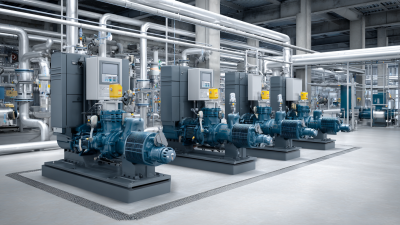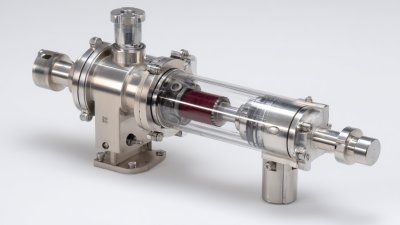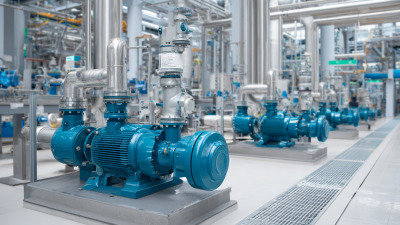
Choosing the right Plunger Metering Pump can significantly impact your operations. In industries like water treatment and chemical processing, precision is crucial. According to a recent market analysis, the demand for metering pumps is expected to grow by 7% annually. This underscores the need for selecting a reliable pump that meets specific requirements.
Plunger Metering Pumps are known for their durability and high accuracy. They can handle varying flow rates and are suitable for a wide range of applications. However, not all pumps are created equal. Factors such as fluid characteristics, temperature, and system compatibility play vital roles in ensuring optimal performance.
When assessing options, consider manufacturer reliability and customer feedback. Reviews can reveal common challenges users face, such as maintenance issues or flow inconsistencies. A detailed understanding of these aspects can aid in making a more informed choice. Reflecting on past experiences with pumps can also enhance decision-making, as every application has unique demands.
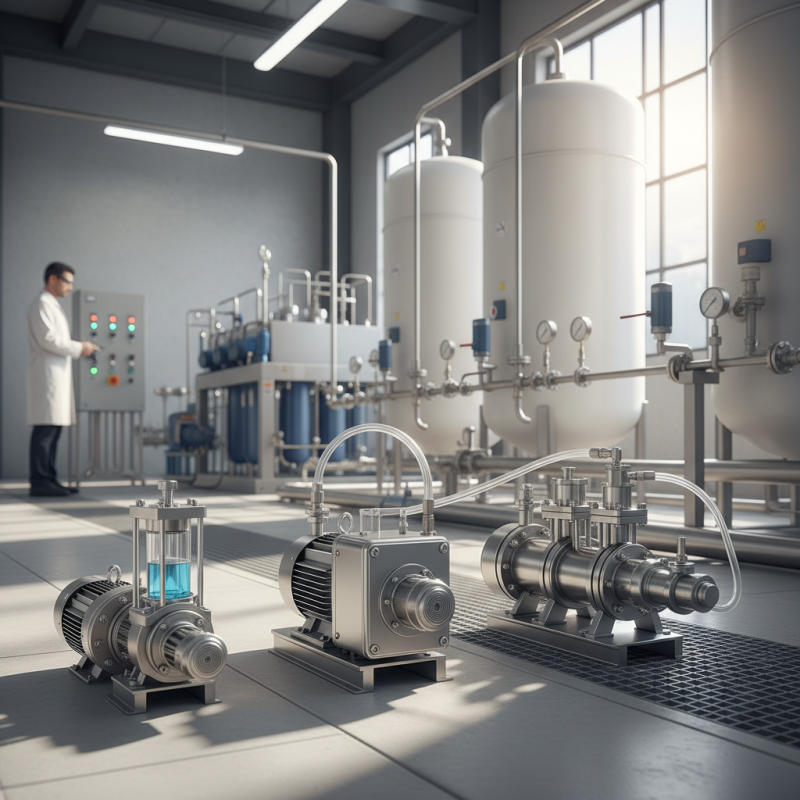
Plunger metering pumps are essential in various industrial applications. Known for their accuracy and reliability, these pumps deliver specific volumes of fluids. They are used in chemical processing, wastewater treatment, and food production. According to a recent market analysis, the global metering pump market is expected to grow by 6% annually. This growth reflects the increasing demand for precise fluid handling.
Working principles of plunger metering pumps focus on a positive displacement mechanism. They operate by moving a plunger within a cylinder, creating suction to draw in fluid and then displacing it. This design allows them to handle highly viscous liquids and achieve flow rates that range widely. Some reports suggest that high-pressure plunger pumps can reach pressures up to 10,000 psi. This makes them suitable for both low and high-pressure applications. While they excel in specific scenarios, it’s crucial to consider the fluid properties, as some harsh chemicals can lead to wear and tear.
The selection process for the right plunger metering pump should involve careful analysis. Users need to evaluate flow rates, pressure requirements, and compatibility with the fluid. Imperfections in the initial choices can lead to system inefficiencies. Research indicates that up to 30% of operations face issues due to improper equipment selection. Taking time to understand these parameters will ensure a better fit for operational needs.
When selecting a plunger metering pump, it's essential to focus on several key features. Flow rate is crucial; it dictates how much fluid the pump can deliver. Industry data suggests that pumps should be selected based on the specific application’s required flow range. Many operations demand precision within ±1% of the set flow rate. This level of accuracy can significantly enhance process efficiency.
Another critical feature is the pressure rating. High-pressure systems often require pumps capable of withstanding intense conditions. Reports indicate that pumps over 1000 psi are common in industrial applications. Understanding the pressure requirements can prevent equipment failure and downtime.
Tips: Always review the pump material compatibility with the fluids being pumped. This step helps avoid corrosion or degradation issues.
Take note of the size and space requirements as well. Not all systems allow ample room for installation or adjustment. Consult with engineers to ensure the chosen pump fits well within the operational layout while still performing effectively.
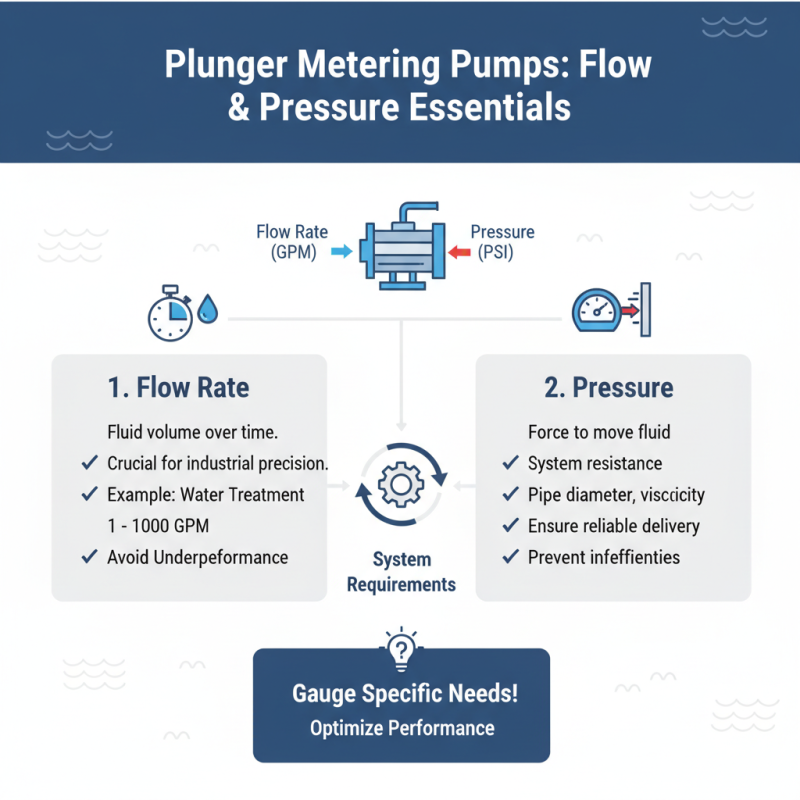
When selecting a plunger metering pump, understanding flow rate and pressure requirements is crucial. Flow rate determines how much fluid is delivered over time. Most industrial applications require a precise flow rate. For example, water treatment facilities often require flow rates between 1 to 1000 gallons per minute. Gauging your specific needs becomes essential to avoid underperformance or inefficiencies.
Pressure ratings also play a vital role. A typical plunger pump operates at pressures from 20 to 3000 psi. Higher pressures are needed for applications like chemical injection in oil fields. However, excessive pressure can lead to increased wear and tear. Research suggests that 40% of pump failures are linked to incorrect pressure settings. Regular monitoring and adjustments may be necessary, depending on the system changes.
It is important to consider variations in operational conditions. Factors like temperature and viscosity impact flow and pressure demands significantly. For instance, a change in fluid temperature can lead to pump performance fluctuations. Evaluating these parameters requires a thorough understanding and should be approached with care. It’s paramount to consult with professionals to achieve optimal system performance.
When selecting a plunger metering pump, material compatibility is crucial. Different materials handle various chemicals differently. Industry data indicates that over 60% of pump failures arise from material degradation. This makes it essential to match the pump materials with the chemicals being dispensed.
Consider the chemical composition of the liquids. For example, corrosive agents can damage pumps rapidly if incompatible materials are used. A common error is assuming that a pump can handle all liquids. This assumption can lead to down-time and costly repairs. Regular assessments of pump materials can prevent such issues.
**Tips:** Always consult material compatibility charts. They can provide insight into which materials resist specific chemicals. Conduct periodic reviews of pump performance, looking for signs of wear. Early detection can save both time and money. Remember, pump longevity hinges on material suitability.
| Material Type | Compatibility | Temperature Range (°C) | Recommended Application | Durability Rating |
|---|---|---|---|---|
| Polypropylene | Moderate chemical resistance | -20 to 85 | Water treatment | 3/5 |
| PVC | Good resistance to acids | 0 to 60 | Chemical processing | 4/5 |
| Stainless Steel | Excellent resistance | -30 to 200 | Oil and gas | 5/5 |
| PTFE | Outstanding chemical compatibility | -50 to 260 | Pharmaceuticals | 5/5 |
| Nitrile | Good oil resistance | -20 to 80 | Fuel handling | 4/5 |
When looking for a cost-effective plunger metering pump, budgeting is essential. It is important to set a realistic budget that aligns with your needs. Assess the features that matter most to you. Will you need high precision or simply a reliable flow rate? Understanding these specifications can help you avoid overspending on unnecessary features.
Consider the long-term operational costs. A cheaper pump may save you money upfront but could introduce more maintenance issues. Regular maintenance might lead to unforeseen expenses. Count all potential costs in your budget, including energy consumption.
Tips for selecting the right pump:
- Research different options within your budget. Compare their specifications carefully.
- Check for reviews and certifications. This can provide insight into reliability.
- Consider the warranty offered. A longer warranty often indicates confidence in the product's durability.
Finding the right plunger metering pump is more than just price. Evaluate the quality against your financial constraints. A little extra in quality may save you in the long run. Always reflect on how well your choice performs after installation.