
How to Choose the Right Electric Power Substations for Your Needs?

Selecting the right Electric Power Substations is crucial for efficient energy delivery. According to the International Energy Agency, substations significantly impact grid reliability and performance. In 2020, the global market for electric substations was valued at approximately $30 billion, showcasing their importance in power infrastructure.

When choosing a substation, consider your specific needs. Different types serve various purposes, from distribution to transmission points. The decision should factor in capacity requirements, technology, and site conditions. Industry reports indicate that proper selection can enhance operational efficiency by up to 30%.

Additionally, it's essential to engage with experts who understand local regulations and technological advancements. Some facilities may overlook potential upgrades or feasible site options. Reflecting on these elements can lead to better decision-making. Ultimately, investing time in selecting Electric Power Substations can yield significant long-term benefits.
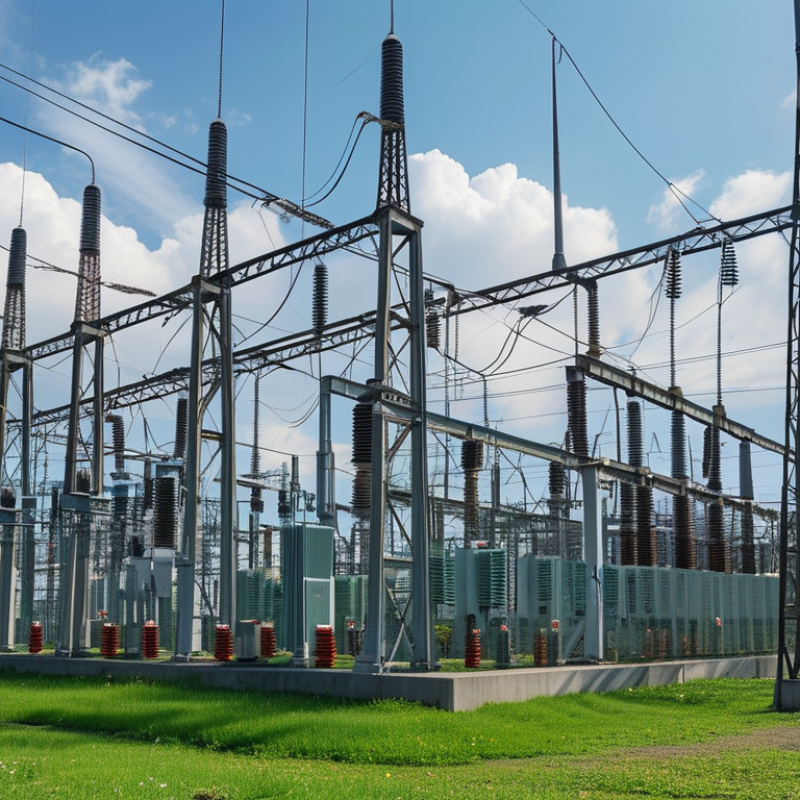
How to Choose the Right Electric Power Substations for Your Needs?

Understanding the Basics of Electric Power Substations

Electric power substations play a critical role in the energy supply chain. They are necessary for transforming voltage levels. Substations ensure the efficient distribution of electricity to homes and businesses. Understanding their functions is vital for anyone involved in energy management.

A substation typically includes transformers, circuit breakers, and switchgear. These components work together to increase or decrease voltage. In rural areas, substations might be smaller and have fewer components. Urban settings often require larger facilities due to demand. The design must consider local needs and environmental impact.

Choosing the right substation involves assessing your power needs. Think about capacity, reliability, and space. A well-designed substation should minimize outages. However, every project poses challenges. Factors like budget constraints and regulatory requirements can complicate decisions. It's essential to weigh these elements carefully.

Electric Power Substations Capacity Comparison

Identifying Your Energy Needs and Usage Patterns

When selecting electric power substations, assessing your energy needs is essential. Understanding usage patterns leads to informed decisions. According to the U.S. Energy Information Administration, residential energy consumption averages about 877 kWh per month. Your actual needs may vary based on factors like home size and appliance efficiency.

Monitoring your energy habits can reveal peaks in usage. Data from the International Energy Agency suggests that appliances like HVAC systems and refrigerators consume the most power. Recognizing these usage patterns helps determine the capacity required in a substation. For example, a household with electric heating may need a different power solution compared to one relying solely on gas.

Additionally, local regulations can impact your choice. Compliance with state and federal energy standards is crucial. Understanding these guidelines ensures you select the right infrastructure. Some users overlook these factors, which can lead to insufficient or excessive capacity. Ensuring your substation aligns with actual consumption may save costs down the line.

Evaluating Different Types of Electric Power Substations

When evaluating different types of electric power substations, consider your specific energy needs. Understanding the functions of various substations can guide your choice effectively. For instance, distribution substations convert and deliver electricity to consumers. On the other hand, transmission substations manage high-voltage electricity over vast distances. Each type serves distinct purposes, impacting your energy flow and reliability.

**Tip:** Assess the load requirements before selecting a substation. Ensure that the chosen substation can handle your peak energy demands. It's critical to match the capacity with your consumption patterns.

Different technologies are available, such as air-insulated and gas-insulated substations. Gas-insulated models occupy less space and require less maintenance. However, they can be more costly upfront. Air-insulated substations, while budget-friendly, need more land and might require additional upkeep.

**Tip:** Always factor in future growth when choosing a substation type. Evaluate your expected energy consumption and plan for upgrades when necessary. It’s easy to overlook this, but future-proofing your infrastructure is vital.

Assessing Location and Infrastructure Requirements

Choosing the right location for an electric power substation is critical. The site must support the required infrastructure. Proximity to existing power lines can reduce costs. Also, local accessibility for maintenance and construction is crucial. Consideration of land use regulations is necessary. These regulations can affect the installation timeline and budget.

Assess the surrounding environment carefully. Natural barriers, like rivers or mountains, can influence power distribution. Additionally, proximity to urban areas may raise issues with noise and safety. Utility easements must be clear, ensuring no interference with nearby properties. Evaluating soil conditions is essential too. This can prevent structural issues and ensure longevity.

Infrastructure is another vital aspect. Adequate road access for large vehicles enhances maintenance efficiency. The availability of water and communication lines plays a role in operational readiness. Not all sites meet these requirements perfectly. Therefore, regular assessments and flexibility in planning are important. Adapting to new challenges can lead to better decision-making for future power needs. Ensure each choice reflects the unique conditions of your selected site.

How to Choose the Right Electric Power Substations for Your Needs? - Assessing Location and Infrastructure Requirements

Criteria Description Importance Level (1-5) Recommended Action
Location Proximity Assess distance from major power sources and load centers. 5 Choose locations that minimize transmission losses.
Infrastructure Capacity Evaluate existing infrastructure's ability to support new substations. 4 Upgrade where necessary and plan for future expansion.
Regulatory Compliance Ensure adherence to local, state, and federal regulations. 5 Consult with regulatory bodies early in the process.
Environmental Impact Analyze potential environmental effects of the substation. 4 Conduct an environmental impact assessment.
Community Engagement Communicate with local stakeholders and residents. 3 Plan outreach initiatives to share project details.

Comparing Costs and Maintenance for Substation Options

When considering electric power substations, understanding costs and maintenance practices is crucial. Different types of substations come with varying price tags. A typical cost analysis includes initial purchase, installation, and ongoing operational expenses. Utility companies and businesses should conduct thorough budgeting to avoid future financial strain.

Maintenance is another critical factor. Substations require regular inspections and upkeep to ensure efficiency. Some setups demand more frequent care, leading to increased costs. On the flip side, costlier options often promise enhanced reliability and less frequent maintenance. Companies should weigh these factors, reflecting on how their operational demands might dictate the choice of substation type.

It's important to remember that no substation is perfect. Each type presents distinct advantages and challenges. Striking a balance between budget and reliability often leads to tough decisions. Businesses might find themselves reassessing their choices after the first few years of operation. Therefore, reflecting on initial choices and planning for future adaptations is advisable.

Go to Top