
At the 139th Canton Fair, the focus on advanced manufacturing and innovative technologies presents a unique opportunity for businesses. Among the featured technologies, the Ultrafiltration Water System stands out. This system offers effective water purification, making it essential for various industries.
Attendees will have access to advanced products that ensure clean water, a vital resource. Optimizing water quality can enhance productivity and health standards. With the introduction of AI capabilities, buyers can easily locate suppliers meeting specific certifications. Efficient navigation through the vast exhibition space is crucial for maximizing the experience.
Visitors might question the balance between cost and quality in Ultrafiltration Water Systems. While they provide significant benefits, price variations exist. Buyers should carefully evaluate their needs. The fair encourages thoughtful discussions around these systems, highlighting their role in sustainable practices.
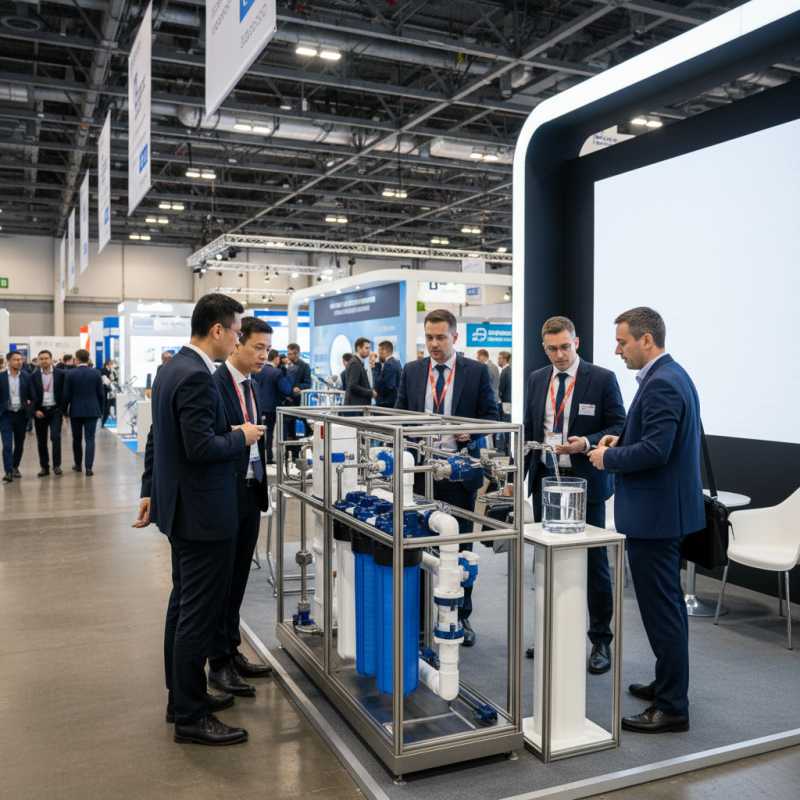
Ultrafiltration water systems are gaining traction for both home and industrial applications. These systems effectively remove impurities, bacteria, and suspended solids. They do this using membrane technology that filters particles larger than 0.01 microns. According to Water Quality Association, these systems can achieve a 99% reduction in contaminants. This statistic highlights their efficiency.
In homes, ultrafiltration offers safe drinking water. Families can enjoy filtered water right from their tap. This convenience encourages healthy hydration habits. For industrial uses, the market for ultrafiltration is predicted to grow by over 10% annually through 2025. Industries benefit from reduced operational costs. Less energy consumption is another plus. However, the initial setup can be costly. Companies must consider long-term savings versus upfront investment.
Some challenges exist with ultrafiltration systems. Regular maintenance is necessary to ensure optimal performance. Membrane replacement can also be a hassle. Users need to stay informed. Awareness of system limitations is crucial. Despite these issues, the advantages of ultrafiltration systems are compelling. Clean water is vital for health, and these systems could play a key role.
Ultrafiltration (UF) technology represents a significant advancement in water purification methods. Unlike traditional filtration, ultrafiltration uses membranes with pore sizes ranging from 0.1 to 0.001 microns. This allows it to effectively remove bacteria, viruses, and larger particles from water. Reports indicate that UF can eliminate over 99% of pathogens, making it a reliable choice for safe drinking water.
The efficiency of ultrafiltration systems is backed by industry data, showing that these systems can process up to 100,000 liters of water per square meter of membrane area per day. This impressive capability ensures sustainable access to clean water, particularly in regions with compromised water sources. However, not all applications achieve this potential. Factors like membrane fouling or improper maintenance can reduce efficiency drastically.
Moreover, while UF systems require lesser energy compared to reverse osmosis systems, their initial installation can be costly. Understanding the balance between upfront costs and long-term benefits is crucial for potential purchasers. Many who invest in ultrafiltration systems appreciate the quality of filtered water, but they may overlook ongoing maintenance requirements. Routine checks and updates can seem daunting but are necessary for optimal performance.
Ultrafiltration (UF) water systems are becoming increasingly popular in water treatment. They effectively remove bacteria, viruses, and larger particles, with pore sizes typically ranging from 0.1 to 0.001 microns. Recent reports indicate that UF systems can remove up to 99% of these contaminants. This efficiency makes them superior to traditional methods like activated carbon filters or reverse osmosis, which may leave some harmful substances behind.
While reverse osmosis (RO) is often praised for its performance, it typically wastes around 3-5 gallons of water for every gallon purified. This water inefficiency is a growing concern, especially in regions facing water scarcity. Another issue is the need for regular maintenance in RO systems, which can be more complicated. On the other hand, UF systems are easier to operate, needing only occasional cleaning to maintain optimal performance.
Cost is another aspect to consider. Initial setup for UF systems is generally lower than that for RO systems. However, some users find the long-term value of RO outweighs initial savings. It's crucial to evaluate specific needs and local water quality. The choice isn't always clear-cut. Understanding these differences can help make an informed decision at events like the Canton Fair.
Ultrafiltration systems are versatile and crucial in many industries. They play a significant role in food and beverage production. These systems ensure that water used in processing meets safety standards. For instance, they remove unwanted particles and micro-organisms effectively. This leads to higher quality products. However, not all facilities may optimize these systems properly, affecting overall efficiency.
In the pharmaceutical sector, ultrafiltration is essential. It helps in producing high-purity water for drug formulation. Contaminants can alter the effectiveness of medications, so precision is key. But many companies sometimes overlook regular maintenance. This can lead to reduced filtration capacity and compromised quality. It's a reminder that technology alone isn't enough; proper oversight is necessary.
In the textile industry, ultrafiltration systems aid in wastewater treatment. They help recycle water, reducing overall consumption. This is crucial as water scarcity becomes a pressing issue. But challenges remain. Not all textile companies utilize these systems fully. Awareness and training are needed for effective implementation. Failing to invest in ultrafiltration could cost more in the long run.
At the 139th Canton Fair, ultrafiltration water systems took center stage. Innovations in this field have sparked great interest among attendees. Ultrafiltration (UF) technology effectively removes particles from water. Research indicates that UF systems can reduce contaminants by up to 99%. This potent filtration method appeals to both industrial and domestic consumers.
One standout feature was the growing focus on sustainable practices. Data shows that the demand for efficient water purification solutions has surged by 30% over the past five years. Many exhibitors showcased eco-friendly UF systems, emphasizing minimal energy usage. However, some products lacked comprehensive user guides. This can lead to confusion during installation or maintenance.
While ultrafiltration systems show promise, there are areas for improvement. Consumers need to understand the lifespan of filters better. Reports suggest that some UF systems may have shorter operational lifespans than expected. Users should be cautious and research their options thoroughly. In conclusion, ultrafiltration technologies hold great potential. Yet, both manufacturers and consumers need to address certain challenges to maximize benefits.