
2026 Best Wastewater Flocculant for Effective Treatment?

In the pursuit of cleaner water, the choice of a suitable Wastewater Flocculant is crucial. Effective treatment processes depend on efficient flocculation. Wastewater flocculants aid in the removal of suspended solids and impurities. They help in creating larger particles for easier separation.

Selecting the best wastewater flocculant for 2026 presents challenges. The market is saturated with various options. Each product claims to offer superior results. However, effectiveness can vary based on specific applications. There is also the risk of overestimating their performance. Some flocculants may not work as expected in certain environments.

It's essential to consider factors like cost, ease of use, and environmental impact. Understanding the strengths and weaknesses of each option requires careful evaluation. Rigorous testing and feedback from industry experts can guide choices. As we advance, the goal is clearer water and better solutions. Wastewater flocculants must continue evolving to meet these demands.
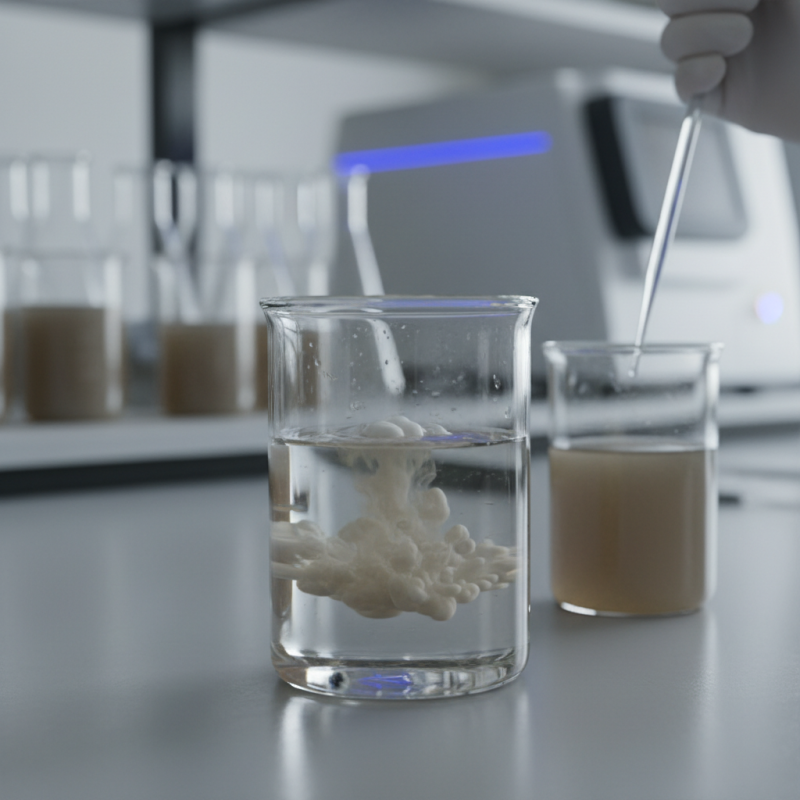
2026 Best Wastewater Flocculant for Effective Treatment?

2026 Overview of Wastewater Treatment Methods and Technologies

Wastewater treatment methods continue to evolve. Innovative techniques help reduce environmental impact. Understanding these methods is crucial for effective treatment.

One popular method is biological treatment. It uses microorganisms to break down waste. This process is efficient, yet it has limitations. Conditions need to be carefully controlled. Temperature and pH can affect microorganism activity. If not monitored, the treatment may fail to meet standards.

Another method involves chemical flocculation. This process promotes the aggregation of particles. Flocculants help bind solids, making them easier to remove. However, choosing the right flocculant is fundamental. The effectiveness varies based on water composition. Trial and error may be necessary.

Tips: Regular monitoring is essential during treatment processes. Make adjustments as needed based on data. Additionally, always consider the environmental impact of chosen methods. Choices shouldn't just rely on efficiency.

Key Properties and Functions of Effective Flocculants

Effective flocculants play a crucial role in wastewater treatment. These substances help to bind particles together, making it easier to remove them from water. The key properties of flocculants include charge type, molecular weight, and the ability to form stable flocs. High molecular weight flocculants create larger aggregates. This enhances sedimentation and filtration processes. Various types are available, each with specific advantages.

The charge type of a flocculant influences how it interacts with suspended solids. Cationic flocculants are particularly effective with negatively charged particles. This enhances coagulation and separation. Additionally, the performance of flocculants can vary based on environmental conditions. Temperature and pH levels can impact their efficiency. Therefore, which flocculant to choose is not a one-size-fits-all decision.

It is important to monitor the performance of flocculants over time. Not all flocculants perform equally in different scenarios. Some may work well under specific conditions but fail elsewhere. Operators must reflect on the effectiveness of the flocculant used. Regular testing and adjustments may be necessary. This ongoing evaluation can lead to better outcomes in wastewater treatment processes. Ultimately, improving treatment efficiency relies on understanding these properties.

Top Flocculants for Wastewater Treatment: Features and Benefits

When considering the best wastewater flocculant for 2026, understanding features and benefits is crucial. Flocculants play a key role in treating wastewater effectively. They aggregate fine particles, making it easier to remove them. Each flocculant type has unique properties, impacting its effectiveness.

Polymer-based flocculants, for example, work well in various pH conditions. These can enhance settling rates significantly. However, not all polymers are the same. Some may require additional adjustments for optimal performance. Careful evaluation is necessary to choose the right one.

Tips: Always test a small batch before full implementation. Monitor the response of your wastewater. If the results are inconsistent, consider adjusting the dosage or the type of flocculant used. Efficient treatment could be lost in the process if not monitored closely. Don't overlook the importance of regular tracking and assessments. Consistency is key to success.

Environmental Impact and Safety Considerations for Flocculants

The use of flocculants in wastewater treatment raises vital environmental and safety considerations. While these chemicals help separate solids from liquids, their impact on ecosystems deserves careful examination. Some flocculants can release toxic byproducts, which may harm aquatic life. Consequently, assessing the environmental footprint of these agents is crucial.

Tips: Always opt for flocculants with comprehensive safety data. Look for less toxic alternatives that achieve the same results. This ensures that you minimize possible negative effects on the environment.

Public perception plays a key role in flocculant usage. Community awareness about safety can drive better practices. Many people are unsure about the long-term consequences of chemical use in treatment processes. Open discussions and education can help bridge this knowledge gap.

Tips: Engage your local community in discussions about wastewater treatment. Share success stories and promote knowledge about safer flocculant options. Empowering the public leads to more informed choices. Awareness remains necessary. Flocculants can be part of efficient systems, but responsibility is vital.

Future Trends in Flocculant Development for Wastewater Treatment

The future of flocculant development in wastewater treatment is an evolving landscape. As environmental regulations tighten, the demand for efficient and eco-friendly solutions grows. Researchers are exploring bio-flocculants made from natural materials. These options promise to reduce chemical usage and minimize environmental impact. However, the effectiveness of bio-flocculants varies by application and water composition.

Emerging technologies like nanotechnology and smart polymers show potential. These innovations aim to enhance flocculation efficiency. Still, challenges remain, such as scalability and cost-effectiveness. Some techniques may work well on a small scale but struggle in larger systems. The variability in wastewater composition can hinder consistent results, making it crucial for ongoing studies.

Collaboration between industries and academia is vital. Sharing knowledge can lead to breakthroughs in developing next-generation flocculants. However, this process is often slow. Delays in research and limited funding can stifle progress. While optimism exists for future advancements, the need for continuous innovation is clear.

Go to Top