2026 Best High Flow Hydraulic Pump for Heavy Machinery?
The demand for high flow hydraulic pumps in heavy machinery continues to rise. According to a report by the International Society for Automation, the market for hydraulic pumps is expected to grow by 5.6% annually until 2026. This growth is attributed to advancements in technology and increasing construction activities globally. High flow hydraulic pumps play a crucial role in enhancing productivity and efficiency in various applications, such as excavators, forklifts, and bulldozers.
In recent years, many manufacturers have focused on developing pumps that offer faster flow rates and improved energy efficiency. However, not all products meet the high standards required for demanding environments. It's essential to evaluate the specifications and performance data of these pumps thoroughly. Some models fall short in durability or reliability, resulting in increased downtime and maintenance costs. This calls for careful consideration when choosing a hydraulic pump for your machinery.
Choosing the right high flow hydraulic pump can be challenging. There are numerous options available, each with unique features. A detailed comparison of specifications, customer reviews, and industry ratings is vital. Users must remain vigilant about the quality and performance of these pumps to avoid making costly mistakes. This article will explore the best high flow hydraulic pumps available in 2026, focusing on reliability, efficiency, and user satisfaction.
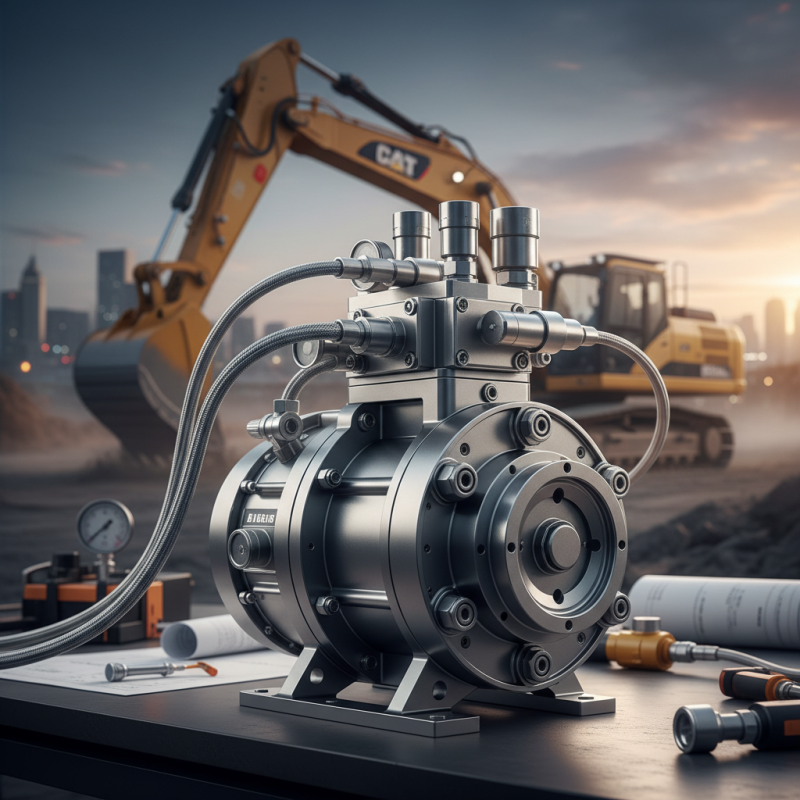
Best High Flow Hydraulic Pumps: Key Considerations for Heavy Machinery
When choosing high flow hydraulic pumps for heavy machinery, several key factors come into play. Flow rate is crucial. Reports indicate that many industrial applications require pumps with flow rates exceeding 30 gallons per minute (GPM). High flow rates improve efficiency and reduce cycle times, essential for operations in construction and mining.
Another important consideration is the operating pressure. Many hydraulic systems operate at pressures between 2000 and 4000 PSI. Hydraulic pumps must be built to withstand these pressures while ensuring reliability. Additionally, the compatibility with hydraulic fluids can't be overlooked. Misalignment can lead to system failures, affecting both productivity and safety.
Durability matters. Hydraulic pumps are exposed to harsh environments, including dust, moisture, and extreme temperatures. A report from the Machinery Lubrication Journal highlights that nearly 30% of hydraulic failures are due to inadequate maintenance or environmental factors. Regular inspection and servicing can extend the life of the pump. Investing in a high-quality model might seem costly, but the impact on operational uptime and efficiency justifies the expense. Without thorough research, one might end up with a pump that doesn't meet specific operational needs. The right choice requires a careful balance between performance and longevity.
Technological Advances in Hydraulic Pump Efficiency and Performance
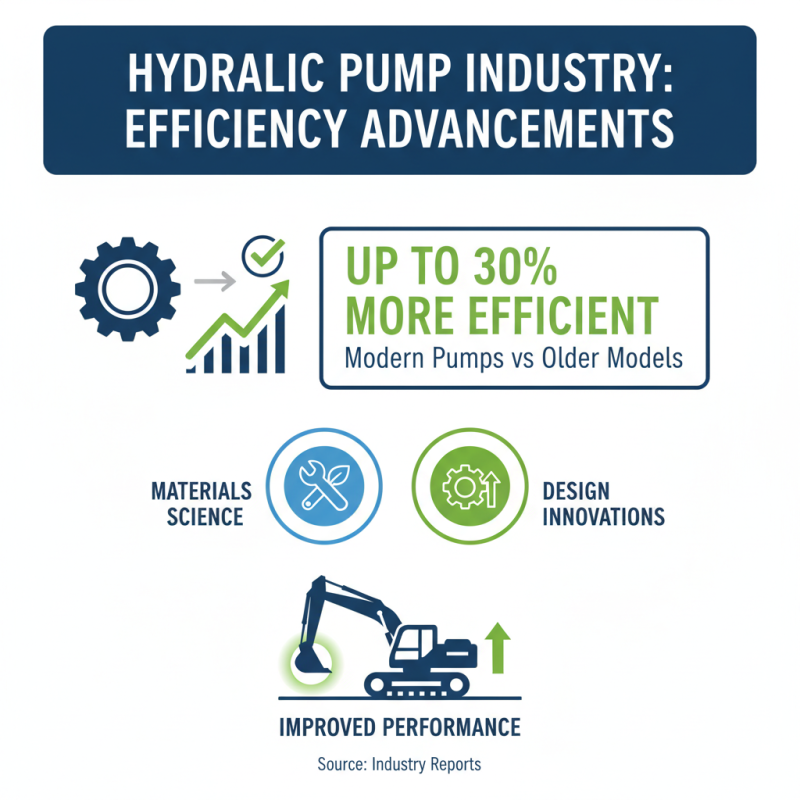
The hydraulic pump industry is experiencing remarkable advancements. Improved efficiencies are essential for heavy machinery, where performance is key. Recent reports indicate that modern hydraulic pumps are up to 30% more efficient than older models. This progress is driven by innovations in material science and design.
Hydraulic pumps now utilize advanced materials that reduce wear and tear. High-strength composites allow for lighter designs without sacrificing durability. This shift can decrease energy consumption significantly. A report by the International Energy Agency suggests that energy costs for industrial applications can be cut by 15% with these new technologies.
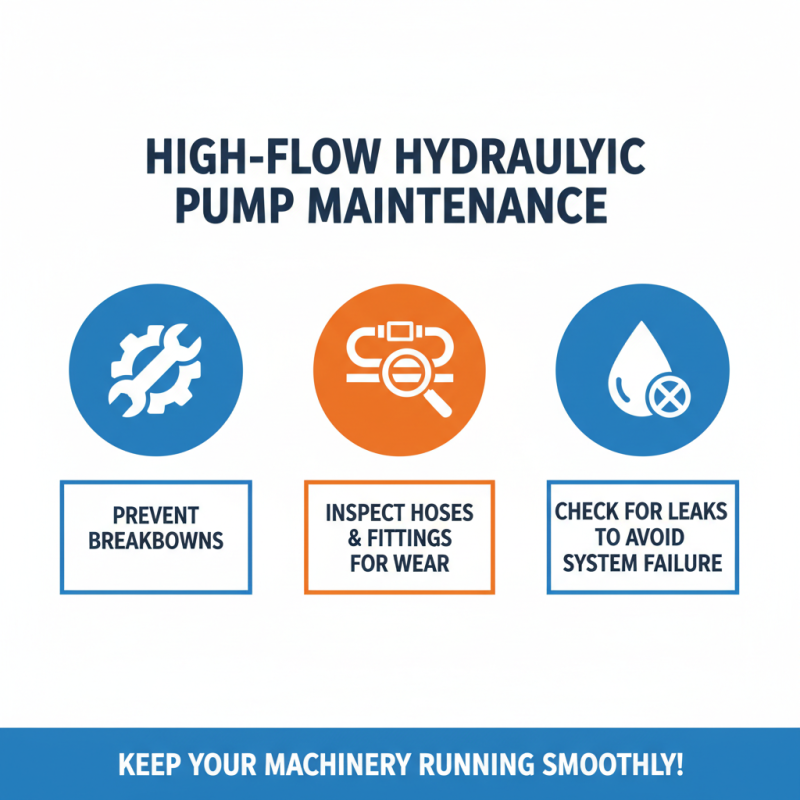
Tips: Regular maintenance is crucial for pump longevity. Checking fluid levels and monitoring for leaks can prevent costly breakdowns.
Moreover, automated control systems are becoming more prevalent. They enhance a pump's efficiency by adjusting performance to match demand. Yet, implementing these technologies requires careful planning. A poorly integrated system can lead to inefficiencies, and some operators may overlook necessary training.
Tips: Invest in operator training. This not only boosts efficiency but also minimizes the risk of operational issues.
Ultimately, as hydraulic pump technology evolves, staying informed remains vital. Understanding these changes can prevent costly mistakes in the long run.
Comparative Analysis of Leading Hydraulic Pump Brands and Models
When selecting hydraulic pumps for heavy machinery, several factors demand attention.
The pump's flow rate and pressure must match the machinery's requirements. High flow rates are crucial for efficient operation.
Many pumps offer different specifications to cater to various applications. Be aware of potential trade-offs between flow rate and pressure capabilities.
The materials used in pump construction also influence durability. Some pumps may excel in flow but fall short in longevity.
It's essential to consider environmental factors like temperature and exposure to contaminants.
Not all hydraulic pumps perform well under extreme conditions.
A pump may operate efficiently initially but could fail when subjected to rigorous use.
User reviews can be incredibly insightful. They provide real-world feedback on performance and reliability.
However, reviews can sometimes be biased or misleading. Each user experience varies based on specific machinery and working conditions.
Always test pumps in your environment to gauge their actual performance. Understanding these nuances is key to making an informed decision.
Industry Applications: Best High Flow Pumps for Construction and Mining
In the construction and mining industries, high flow hydraulic pumps are critical. They provide the necessary power to operate heavy equipment effectively. According to a recent industry report, demand for high flow hydraulic pumps is expected to grow by 6% annually through 2026. This surge is mainly driven by increasing infrastructure projects and mining activities worldwide.
Optimal performance is key. Many pumps can handle flows exceeding 100 liters per minute. However, not all pumps perform well under heavy loads. A pump's efficiency can decline when operating at maximum capacity. It’s essential to select pumps that maintain efficiency even at high flow rates. Some manufacturers report that pumps can lose up to 15% efficiency when pushed beyond optimal levels. This is a significant concern for operations focused on productivity.
Noise and vibration are other factors to consider. Poorly designed pumps can lead to increased wear and tear on machinery. Industry standards recommend regular maintenance to address these issues. Operators should also assess the specific demands of their applications. Inadequate pump selection may result in downtime and increased costs. Overall, understanding these aspects leads to better decisions in pump selection for construction and mining operations.