
Best Frequency Converter Solutions for Global Buyers?

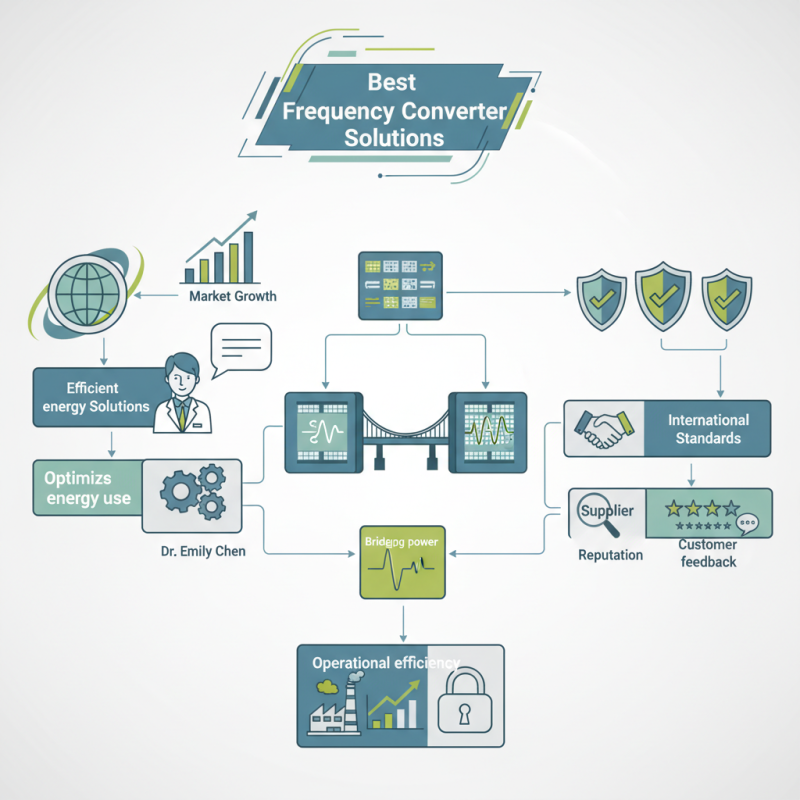
In the rapidly evolving realm of power management, the significance of Frequency Converters has reached unprecedented heights. According to a recent market report by Research and Markets, the global frequency converter market is expected to grow at a CAGR of 5.7% through 2028. This rise illustrates the increasing demand for efficient energy solutions across various industries.

Industry expert Dr. Emily Chen, a leading authority in electrical engineering, emphasizes the critical role of frequency converters in modern applications. “Frequency converters are essential for optimizing energy use and enhancing equipment performance,” she notes. These devices bridge the gap between different power systems, ensuring compatibility and efficient operation.

As global buyers seek reliable frequency converter solutions, it is crucial to consider not only technical specifications but also suppliers' reputations. Many products on the market claim to meet international standards; however, reliability can vary. Evaluating a supplier’s experience and customer feedback is imperative in making informed decisions. The choice of a frequency converter can significantly impact operational efficiency and overall productivity. Therefore, careful selection is paramount.
Best Frequency Converter Solutions for Global Buyers?

Understanding Frequency Converters: Types and Functions

Frequency converters play a critical role in a variety of applications. They adjust the frequency of electrical power to meet specific needs. Understanding their types and functions is essential for effective industrial processes.

There are two main types of frequency converters: Static and Dynamic. Static converters are generally more efficient and cost-effective. They offer stable output and require less maintenance. Dynamic converters, on the other hand, provide flexibility and can handle varying loads. Each type has distinct advantages, influencing the selection process.

Choosing the right frequency converter involves several factors. Users must consider the power requirement, load characteristics, and environmental conditions. It is important to understand that mismatched frequencies can lead to operational issues. Careful assessment ensures that converters meet precise performance standards. Frequent reviews of operations may help to identify areas needing adjustment. This ongoing evaluation helps improve reliability in power management.

Key Factors to Consider When Choosing a Frequency Converter

When choosing a frequency converter, several key factors come into play. The input and output voltage ratings are crucial. Ensure compatibility with your existing systems. This compatibility helps in preventing equipment damage. Additionally, consider the frequency range that suits your application. Some systems may require a wider range for better adaptability.

Efficiency is another essential aspect. High-efficiency converters can reduce energy costs significantly. Look for models that offer low total harmonic distortion. This can enhance the overall performance of your equipment. Furthermore, cooling methods are important. Air-cooled options may be sufficient for less demanding applications. However, water-cooled systems are better for high-power scenarios.

Durability matters too. A robust frequency converter can withstand harsh conditions. Evaluate the environmental ratings to ensure lasting performance. Additionally, customer support and warranty options can reflect the manufacturer's reliability. Poor support can lead to significant downtime and losses in a business context.

Best Frequency Converter Solutions for Global Buyers

Frequency Converter Type Input Voltage Range Output Voltage Range Power Rating (kW) Efficiency (%) Weight (kg) Cooling Method Price Range ($)
Static Frequency Converter 100-240V 220-480V 5-100 95 15 Air Cooling 500-2000
Rotary Frequency Converter 200-600V 380-600V 15-500 90 200 Liquid Cooling 3000-12000
Variable Frequency Drive (VFD) 110-480V 0-480V 1-1000 97 10 Fan Cooling 200-5000

Top Frequency Converter Brands for Global Buyers

When considering frequency converters, the brand selection is critical for global buyers. Key players in the market offer various solutions tailored to different industrial needs. Reports indicate that the frequency converter market was valued at approximately $6 billion in 2022 and is expected to grow by around 5% annually. This growth highlights the rising demand for renewable energy and automation solutions.

Efficiency and reliability are paramount when choosing a brand. Research shows that frequency converters can enhance energy efficiency by up to 30%, directly impacting operational costs. Some brands are noted for advanced technology in load regulation, while others excel in compact design. Buyers should closely evaluate performance metrics and customer reviews to determine the best fit for their specific applications.

However, the vast range of products can lead to confusion. Many brands claim high performance, but not all deliver on those promises. It's essential to scrutinize technical specifications thoroughly and consider the long-term implications of a purchase. Engaging with industry experts can provide valuable insights, helping buyers avoid common pitfalls associated with subpar products.

Best Frequency Converter Solutions for Global Buyers

Comparative Analysis of Frequency Converter Prices and Features

Frequency converters are essential for adapting electrical parameters. When choosing a solution, buyers must consider both price and features. Data from industry reports suggest that the global frequency converter market is projected to grow at a CAGR of 5% from 2023 to 2030. This growth highlights the increasing need for effective energy management solutions.

Comparative analysis shows significant variations in prices. Basic models start around $150, while advanced options can exceed $2,000. The price often correlates with features like power rating, efficiency, and control type. For instance, high-efficiency converters may offer a better long-term investment despite higher upfront costs. Features such as energy regeneration and harmonic filtering can enhance performance. Yet, only a few models effectively balance cost and functionality.

Buyers face challenges in identifying the best option. While many manufacturers provide technical specifications, actual performance can differ. It’s important to assess user reviews and third-party testing data. Some reports indicate that nearly 30% of converters underperform, failing to meet stated efficiency levels. Ensuring reliable solutions requires careful evaluation of both technical and practical criteria.

Industry Applications of Frequency Converters Around the World

Frequency converters play a critical role in various industries worldwide. In manufacturing, for example, they are essential for controlling motor speeds, optimizing energy consumption, and enhancing operational efficiency. According to a report by Research and Markets, the global frequency converter market is projected to reach $9.5 billion by 2027, reflecting an annual growth rate of over 6%. This growth indicates increasing reliance on frequency converters in sectors such as renewable energy, automotive, and HVAC.

In the renewable energy sector, frequency converters ensure smooth integration of energy sources like wind and solar into the grid. They help in accommodating variations in power generation and maintaining grid stability. In a study published by the International Energy Agency, it was noted that the use of frequency converters in renewable technologies can reduce operational costs by up to 15%, highlighting their impact on sustainability and efficiency.

However, challenges remain. The selection of the right frequency converter can be complex and requires careful consideration of specific application needs. Misalignment can lead to performance issues and increased maintenance costs. Understanding the unique requirements of each application is crucial for maximizing the benefits of these devices. Industry stakeholders must prioritize education and thorough assessment processes to navigate these complexities effectively.

Go to Top