Top 10 Benefits of Using Solenoid Dosing Pumps for Industry?
In the world of industrial dosing solutions, the Solenoid Dosing Pump stands out for its precision and reliability. According to Dr. Emily Carter, a leading expert in fluid dynamics, "Solenoid Dosing Pumps are game-changers in managing complex chemical processes." This statement encapsulates the core benefits these pumps provide.
Efficiency is a primary advantage of Solenoid Dosing Pumps. They deliver accurate flow rates, minimizing waste and ensuring optimal chemical application. Such precision directly impacts operational costs and environmental safety. However, some industries have been slow to adopt this technology. They may rely on older, less efficient systems out of habit or lack of awareness.
Additionally, Solenoid Dosing Pumps boast easy integration into existing processes. Their compact design allows for straightforward installation. While some may find these pumps initially more expensive, the long-term savings are significant. Industries should evaluate their current setups critically. Adopting modern technologies like the Solenoid Dosing Pump can lead to substantial efficiency gains and safer operations.
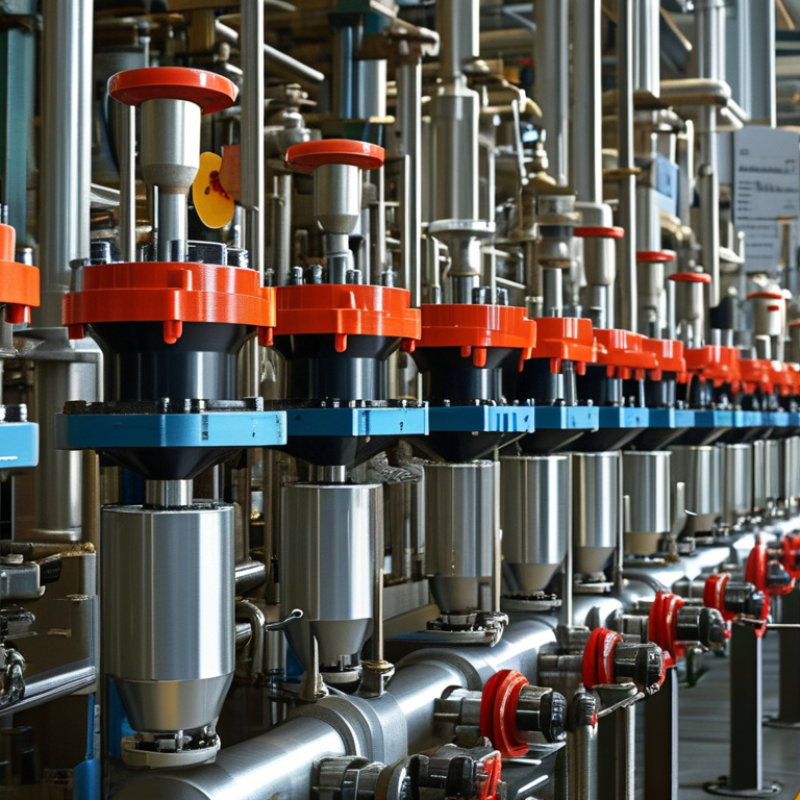
Benefits of Precise Chemical Delivery with Solenoid Dosing Pumps
When it comes to industrial applications, the importance of precise chemical delivery cannot be overstated. Solenoid dosing pumps excel in providing accuracy. These pumps deliver a consistent flow rate, ensuring that exact amounts of chemicals are injected into processes. This precision minimizes waste and reduces the risk of costly overdosing or underdosing. Industries like water treatment and agriculture benefit greatly from this accuracy. A little variation in chemical delivery can lead to significant changes in results.
Another advantage is the ability to adjust settings easily. Operators can change dosing rates based on real-time needs. This flexibility allows for quick responses to changing production conditions. Yet, while solenoid dosing pumps are generally reliable, they can require regular maintenance. Users must be vigilant about wear and tear to maintain performance. Ignoring these aspects can lead to inaccuracies.
The durability of solenoid dosing pumps also adds to their appeal. They can operate in harsh environments, yet they may not be immune to the elements. Corrosion and wear are potential concerns that users should monitor. Understanding these challenges can lead to better decision-making when implementing these pumps in industrial settings.
Top 10 Benefits of Using Solenoid Dosing Pumps for Industry
| Benefit |
Description |
| Precision |
Offers accurate control over chemical dosing, minimizing waste. |
| Versatility |
Suitable for a wide range of applications across different industries. |
| Easy Installation |
Simple to install and integrate with existing systems with minimal effort. |
| Reliability |
Durable design that ensures long-term performance even in harsh environments. |
| Low Maintenance |
Requires minimal maintenance, reducing downtime and cost. |
| Cost-Effectiveness |
Reduces chemical consumption and lowers operational costs. |
| Real-Time Control |
Allows for real-time adjustments to dosing parameters for optimal performance. |
| Safety |
Enhances safety by providing controlled and measured delivery of chemicals. |
| Environmental Impact |
Minimizes environmental harm through precise dosing and reduced chemical spillage. |
Enhanced Reliability and Reduced Maintenance Requirements in Industrial Systems
Reliability is paramount in industrial systems. Solenoid dosing pumps offer enhanced reliability through their accurate and consistent flow delivery. According to a recent report by the International Society of Automation, solenoid pumps maintain an accuracy level of up to 98%. This precision ensures that chemical dosing remains stable, reducing the risk of over or under dosing. Furthermore, these pumps are designed for simple operation, which minimizes the potential for human error.
Maintenance is often a leading concern in industrial settings. Solenoid dosing pumps typically require less frequent maintenance compared to other types of pumps. A study from the Chemical Engineering Journal highlighted that businesses could cut downtime by 20% when opting for solenoid models. Their closed system design limits wear and tear, addressing a common issue with traditional pumps. This allows for significant cost savings over time, particularly in large-scale operations.
However, it’s crucial to evaluate the specific application needs. Not every scenario may benefit from a solenoid dosing pump. In some cases, flow requirements exceed the capabilities of solenoid pumps. Understanding the limitations of these systems is essential for optimal performance. Each industrial environment has unique demands that may necessitate further exploration of pump options to ensure reliability and efficiency.
Cost-Effectiveness of Solenoid Dosing Pumps in Long-Term Applications
Solenoid dosing pumps are gaining attention in various industries for their cost-effectiveness. These pumps provide precise chemical dosing over long periods. This consistency helps reduce waste and maintain product quality. Industries that rely on accurate chemical mixing benefit immensely. This leads to lower operational costs and enhanced efficiency.
However, their initial setup might seem daunting. Understanding the technical specifics can require effort. The training needed for staff can also be a consideration. Businesses must weigh these factors against long-term savings. While the upfront investment is significant, the durability and reduced maintenance of solenoid pumps often lead to lower lifetime costs. This aspect must be evaluated carefully.
Reliability is a key feature of solenoid dosing pumps. They perform well under varying environmental conditions, which is essential for industries like water treatment and pharmaceuticals. Even so, operators should remain vigilant about regular maintenance. Neglecting upkeep can hinder performance, impacting overall efficiency. Balancing the benefits with potential challenges is critical for making informed decisions in the long run.
Top 10 Benefits of Using Solenoid Dosing Pumps for Industry
Versatility of Solenoid Dosing Pumps Across Various Industries
Solenoid dosing pumps have gained traction across various industries, showcasing their remarkable versatility and efficiency. With their precise control over fluid dosing, these pumps can operate effectively in sectors such as water treatment, pharmaceuticals, and food processing. According to a recent market analysis, the global demand for solenoid pumps is projected to grow by over 7% annually, indicating their widespread acceptance and reliability in demanding applications.
The ability of solenoid dosing pumps to deliver consistent and accurate measurements makes them ideal for critical processes. For instance, in water treatment facilities, they ensure that the right amount of chemicals is added, enhancing water quality while minimizing waste. In the pharmaceutical industry, their precision is vital for maintaining the integrity of drug formulations. However, achieving optimal performance requires regular maintenance and calibration, a step that some facilities overlook. Neglecting this can lead to inaccuracies in dosing, which may compromise product quality.
Moreover, solenoid dosing pumps can adapt to various fluid properties, including viscosity and corrosiveness. This adaptability allows industries to use them for diverse applications, from dispensing caustic substances to handling gentle solutions. Despite their advantages, organizations must weigh the benefits against potential challenges like energy consumption. A recent study suggests that inefficient pumps can increase operational costs significantly. Therefore, reviewing performance and energy efficiency is crucial for long-term sustainability in industrial applications.
Improved Safety Measures through Controlled Chemical Dosing Techniques
Controlled chemical dosing techniques significantly enhance safety measures in industrial settings.
Solenoid dosing pumps provide precision in chemical application. This ensures that businesses minimize risks associated with chemical spills or overdosage. Safety is paramount, especially in industries dealing with hazardous substances.
Using solenoid pumps helps maintain ideal concentration levels. The technology allows for exact measurements, reducing human error. Operators can set dosing levels remotely, adding another layer of safety. These pumps often include features like automatic shutoff mechanisms. Such features provide an additional safeguard against accidents.
However, relying solely on technology has its pitfalls. Regular maintenance is crucial to ensure accuracy and reliability. Without proper upkeep, these pumps might malfunction. It is vital to design a maintenance schedule. Routine checks can prevent unexpected failures and potential safety hazards. Ultimately, while solenoid dosing pumps enhance safety, they require diligence to function effectively.