
Electric Resistance Heating Pipes are gaining popularity among homeowners and industries alike. According to recent data from the U.S. Department of Energy, electric heating systems can be up to 99% efficient, directly converting electricity into heat. This efficiency reduces energy costs and environmental impact, making Electric Resistance Heating Pipes a smart choice for sustainable heating solutions.
Moreover, these pipes provide consistent and controllable heating. With advancements in technology, they offer precise temperature regulation, which is crucial for both comfort and energy management. The market for electric heating solutions is predicted to grow significantly, as noted in a report by Research and Markets, highlighting increasing consumer demand for efficient heating methods.
However, reliance on electric systems may raise concerns about energy sources and long-term costs. Users should consider these factors when opting for Electric Resistance Heating Pipes. Overall, their benefits are compelling, but informed decisions remain essential.
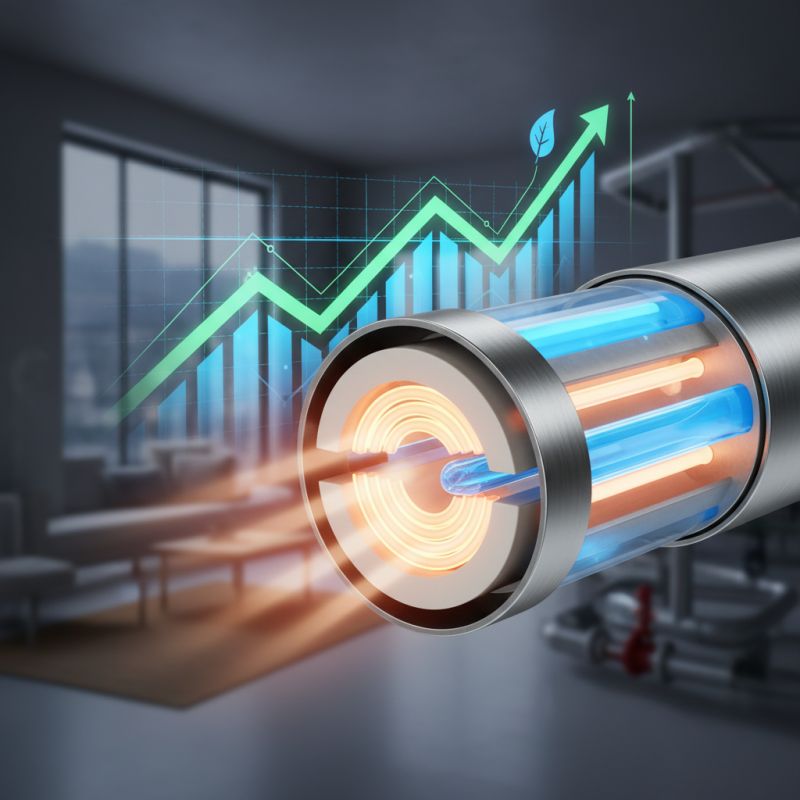
Electric resistance heating pipes offer significant energy efficiency advantages for homeowners. They convert electricity directly into heat without combustion. This method ensures minimal energy waste, making them a smart choice for heating spaces. By optimizing energy usage, these systems can reduce utility bills, which is appealing for budget-conscious buyers.
Energy efficiency also translates into environmental benefits. Lower energy consumption means a smaller carbon footprint. Many buyers seek sustainable solutions for their homes. Electric resistance heating can complement other renewable energy sources, enhancing overall efficiency.
Adopting electric resistance heating does require consideration. Initial installation costs can be higher than traditional systems. Homeowners must weigh long-term savings against upfront expenses. Moreover, understanding the maintenance needs is essential. While these systems are typically reliable, occasional checks can enhance their lifespan.
Electric resistance heating pipes offer notable cost-effectiveness. Many users appreciate the long-term savings they provide. The installation costs can seem high initially. However, over time, the expenses diminish significantly. The efficiency of electric resistance heating leads to lower energy bills. Homeowners often realize these savings after just a few seasons.
Additionally, maintenance is generally minimal. With fewer moving parts, there's less risk of mechanical failure. This reliability translates to fewer repair costs. However, it’s crucial for users to monitor energy consumption. Some might overlook their usage patterns, leading to unexpected bills. Regular checks can help manage these costs effectively.
The upfront investment can make buyers hesitant. Yet, the combination of efficiency and durability makes it worthwhile. As electric rates fluctuate, users should be aware of their energy choices. Decisions based on reliable data can further enhance savings. Reflecting on usage habits might reveal opportunities for improvements.
Electric resistance heating pipes offer significant advantages for homeowners, particularly in terms of installation and maintenance. These systems are often simpler to install compared to traditional heating methods. This ease helps reduce labor costs and installation time. Homeowners can often complete installations without needing extensive professional help. With a little DIY knowledge, you can have a functional heating system in a fraction of the time.
Maintenance is another area where electric resistance heating shines. Many systems require minimal upkeep, which saves time and money. Homeowners appreciate that there are fewer moving parts, leading to less wear and tear. Regular checks are limited to ensuring the electric connections are secure. However, some might find the initial setup daunting. It requires careful planning to ensure the layout matches the space. Not all homes are ideal for this type of heating, and some adjustments may be necessary.
Furthermore, while the technology is reliable, it’s important to consider the surrounding environment. Extreme weather changes or fluctuating electricity costs can impact efficiency. Homeowners must stay informed about energy use to optimize the system. Being proactive can prevent unexpected heating costs down the line. Hence, understanding the nuances of electric resistance heating is critical for long-term satisfaction.
Electric resistance heating pipes provide consistent and even heating across various spaces. This method ensures that every corner of your home is warmed uniformly. Unlike traditional heating systems, which may create hot spots, electric pipes distribute warmth gradually and evenly.
One important tip is to consider the layout of your room. The placement of heating pipes can significantly influence how well heat circulates. For optimal performance, install pipes beneath floors or along walls to maximize efficiency. This positioning allows heat to radiate evenly, making your space more comfortable.
Monitoring the system is also essential. Regular checks can prevent uneven heating. If some areas feel cooler than others, adjustments may be necessary. Small modifications, such as changing the pipe layout, can lead to improved heat distribution. Overall, electric resistance heating pipes can transform your living space into a cozy haven when used effectively.
Electric resistance heating systems have evolved significantly. They now incorporate enhanced safety features that prioritize user protection. According to the National Fire Protection Association (NFPA), faulty heating systems are responsible for over 50,000 house fires annually. Electric resistance heating systems reduce this risk significantly. They operate without flammable fuels. This advantage minimizes the chance of gas leaks or explosions.
These systems typically include advanced temperature controls and overheat protection. They can monitor temperatures and automatically shut off when necessary. This feature is crucial in preventing accidents. A recent study by the American Society of Heating, Refrigerating and Air-Conditioning Engineers (ASHRAE) revealed that over 30% of heating-related incidents are linked to equipment failure. Electric resistance systems offer a robust solution, lowering the likelihood of such failures drastically.
Another important benefit is their ease of installation. Unlike conventional heating, electric resistance pipes require less invasive setup. This simplicity reduces risks associated with traditional installation processes. Data shows that installations that are complicated often have safety lapses. Electric systems diminish the need for complex ductwork, thereby enhancing overall safety. This straightforward approach appeals to buyers focused on safe living environments.