
Chiller Series systems offer a range of benefits that enhance efficiency and comfort in various applications. These systems excel in cooling large buildings and industrial spaces. They are designed to optimize energy consumption while maintaining optimal performance.
One notable advantage of Chiller Series systems is their ability to operate in different environments. They can adapt to varying temperature conditions, ensuring consistent cooling. This versatility helps reduce operational costs, making them financially viable choices for businesses.
Additionally, Chiller Series systems contribute to sustainability efforts. Their energy-efficient designs can lower greenhouse gas emissions. However, it’s important to consider maintenance. Regular checks are crucial to avoid unexpected issues. Despite their efficiency, users must remain vigilant about upkeep and performance monitoring. The benefits are significant, but attention to detail is essential for maximizing value.
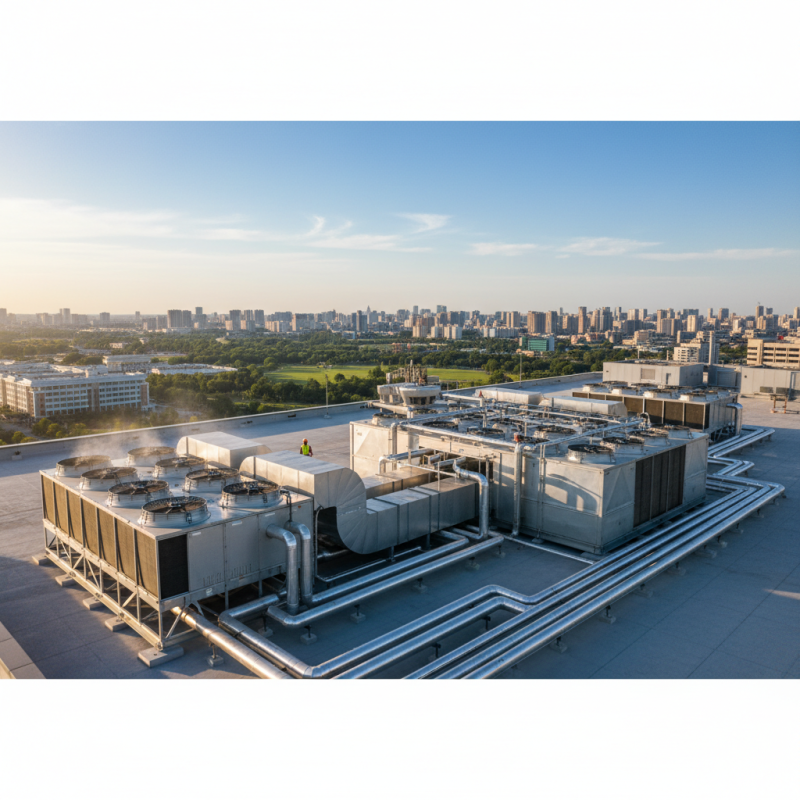
Chiller series systems play a crucial role in modern heating, ventilation, and air conditioning (HVAC) applications. These systems are designed to regulate indoor temperatures effectively. They utilize refrigerants to absorb heat and provide cooling to commercial and industrial spaces. The efficiency of these systems can significantly improve energy usage.
Choosing the right chiller system involves considerations beyond just specifications. Factors like the environment and intended use matter greatly. A well-designed chiller can reduce energy costs and improve comfort levels within buildings. However, improper installation can lead to inefficiencies. Regular maintenance is also essential for optimal performance.
Understanding the complexities of chiller systems can be a challenge. A simple mistake in load calculation might result in over or under-sizing of the units. This can affect system performance and lifespan. User education is vital to ensure these systems perform as expected. Therefore, ongoing training for operators is often necessary.
Chiller series systems are essential in modern cooling solutions. They offer significant energy efficiency and cost savings. According to the U.S. Department of Energy, energy consumption accounts for up to 30% of a building's total energy use. Implementing chiller series systems can reduce this by 15-40%, depending on the setup and usage. These systems often utilize advanced control algorithms and variable speed drives. This optimizes performance based on demand, achieving lower operational costs.
Moreover, the initial investment in chiller systems is just the beginning. Maintenance costs can be higher, and unexpected breakdowns can lead to elevated expenses. A report from the Global Energy Efficiency Forum noted that efficient systems could save businesses an average of $15,000 annually. It's crucial to consider the full lifecycle of these systems. Energy-efficient equipment can lead to lower energy bills, but users should be prepared for regular upkeep to fully benefit.
In some cases, companies overlook the importance of proper sizing and installation. An oversized chiller can lead to inefficiencies. Underperformance or constant cycling happens, leading to wasted energy. Making informed decisions about equipment and installation ensures that the promised energy savings materialize. The benefits of chiller series systems are clear, but execution is critical.
Chiller series systems are gaining attention for their environmental benefits. Recent studies show these systems can reduce energy consumption by 30%. This is significant, considering buildings account for nearly 40% of global energy use. By improving efficiency, chillers help minimize greenhouse gas emissions.
Water conservation is another critical aspect. Many chiller systems recycle water, significantly reducing demand on freshwater sources. According to the Water Research Foundation, up to 50% of water used in cooling can be reclaimed. This not only helps the environment but also lowers operational costs.
Despite these benefits, it is essential to note some challenges. Installation costs can be high. Additionally, maintenance requires skilled personnel. Many facilities overlook these points in their planning. The balance between upfront investment and long-term savings should be carefully evaluated. The potential for energy savings needs more exploration.
Chiller series systems are vital in various industries. They provide efficient cooling solutions in many applications. One prominent field is manufacturing. Factories often need precise temperature control to protect sensitive materials. Chillers help maintain optimal conditions, reducing waste.
In healthcare, chillers play a critical role. Hospitals require consistent cooling for medical equipment and pharmaceuticals. Any temperature fluctuation can degrade these crucial items. With reliable chiller systems, facilities ensure safety and efficiency.
Food and beverage industries also benefit significantly. Chillers help preserve freshness during transportation and storage. However, maintenance is crucial. Neglected systems can lead to breakdowns, risking product quality. Companies must regularly evaluate their systems for optimal performance.
| Industry | Benefit | Application | Efficiency Gain |
|---|---|---|---|
| Food & Beverage | Consistent Temperature Control | Cooling Process for Production | 30% energy savings |
| Pharmaceutical | Preservation of Product Integrity | Vaccine Storage | 25% reduction in spoilage |
| HVAC | Increased System Longevity | Commercial Building Cooling | 40% decrease in maintenance costs |
| Chemical Processing | Enhanced Process Control | Reaction Cooling | 20% improvement in yield |
| Data Centers | Effective Heat Management | Server Cooling Solutions | 50% increase in cooling efficiency |
Chiller series systems are known for their efficiency and scalability. One key advantage lies in their maintenance and reliability. These systems often come with modular designs. This allows for easier access during service. When one module requires attention, others can still operate. This minimizes downtime significantly.
Regular maintenance is crucial. Users should keep a close eye on performance metrics. Monitoring systems help in identifying issues early. Neglect could lead to costly repairs later. The reliability of chiller systems increases with proper care. Routine checks on refrigerant levels and temperature settings should not be ignored.
However, some users overlook the importance of documentation. Keeping records of maintenance can streamline future services. It’s easy to forget small details over time. A lack of clear history might complicate things when problems arise. Thus, taking notes during maintenance efforts is beneficial. A proactive approach can save time and effort down the line. Ultimately, maintaining these systems should not be taken lightly.