
What Is an A105 Valve Body Used For?
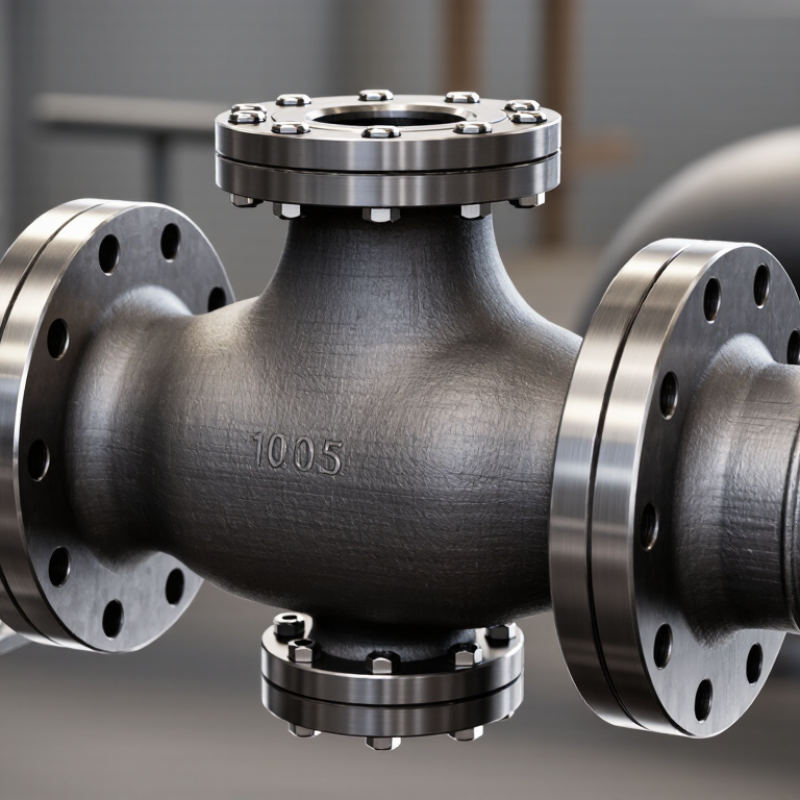
An A105 Valve Body is commonly used as the pressure-containing shell of valves in industrial piping systems. It is made from forged carbon steel covered by ASTM A105, a material specification used for piping components. In service, the body houses internal parts and connects the valve to the line. Picture a forged steel body bolted between pipe flanges, holding pressure as fluid passes through or is shut off. The exact suitability depends on operating conditions, design, and applicable engineering requirements.
A105 is often selected for strength and dependable performance in suitable temperature and pressure ranges. It is not a universal material. Corrosive fluids, low-temperature service, or unusual operating conditions may call for a different specification. A buyer should check the valve datasheet, material certificates, pressure class, and service conditions—not rely on the material grade alone. Small details matter.
A named quotation should be verified before publication. No source article or expert statement was provided, so the following is draft wording for an expert’s review, not a verified quotation: [Verified A105 Valve Body Expert Name], valve-forging specialist, could say, “Choose the valve body for the actual service conditions, not just the material label.” This practical point captures the key question: what will the body contain, and under what conditions? The sections ahead explain where A105 bodies are used, what their material offers, and what buyers should confirm before specifying one. A careful check can prevent costly mismatches.
What Is an A105 Valve Body?
An A105 valve body is the main pressure-containing shell of a valve, made from forged carbon steel specified by ASTM A105/A105M. It houses the closure parts and guides fluid between the inlet and outlet. You may see this material in forged gate, globe, and check valves used in piping systems. The forging is shaped and machined to form ports, seats, and end connections. It is not stainless steel, so the fluid and operating environment matter.
ASTM A105/A105M sets minimum tensile strength of 485 MPa (70 ksi) and yield strength of 250 MPa (36 ksi) for applicable test specimens. These are material requirements, not a pressure rating for every finished valve. ASME B16.34 provides valve design and pressure-temperature rating requirements; the permitted conditions depend on factors such as valve class, construction, and temperature. That distinction is easy to miss. In practice, engineers check the valve’s documented rating against the line conditions and review corrosion risk, since carbon steel may need additional protection in a corrosive service. A105 describes the body material, not the complete valve’s suitability.
What Is an A105 Valve Body Used For? - What Is an A105 Valve Body?
| Topic | Details | Practical Significance |
|---|---|---|
| What “A105” means | ASTM A105/A105M is a specification for forged carbon-steel piping components used in pressure systems at ambient and higher temperatures. | It identifies the material specification for the valve body; it does not by itself define the valve’s pressure rating or permissible service conditions. |
| Main purpose of the body | The valve body forms the pressure-containing outer structure, provides the flow passage, and accommodates or supports internal valve components. | It helps contain the process fluid and connects the valve to the piping system. |
| Common valve types | A105 forgings may be used for bodies or pressure-containing parts in gate, globe, check, and ball valves, depending on the valve design. | The material is chosen for the body; the valve type and internal components determine how flow is started, stopped, or regulated. |
| Typical applications | Pressure piping in sectors such as oil and gas processing, refining, power generation, and general industrial service. | Use is appropriate only when the fluid, temperature, pressure, and applicable design requirements are compatible with the material and valve construction. |
| Manufacturing form | A105 is a forged-steel material specification. Valve makers machine and finish the forging to suit the valve design. | Forged components are commonly selected for pressure-containing service; the finished valve still needs to meet its applicable design and inspection requirements. |
| Pressure and temperature rating | These depend on the complete valve design, pressure class, material properties at temperature, and the governing construction standard. | Do not infer a pressure rating from “A105” alone. Check the valve’s rating, temperature limits, and documentation for the intended service. |
| Corrosion considerations | Carbon steel is not inherently corrosion-resistant to every process fluid or environment. | Evaluate fluid compatibility, corrosion allowance, protective measures, and maintenance needs before specifying an A105 body. |
| Low-temperature service | Standard A105 should not automatically be treated as suitable for low-temperature service requiring specified impact toughness. | Where low-temperature toughness is required, a material specified for that service, such as ASTM A350 LF2 where appropriate, may be considered against the project requirements. |
| Relevant design checks | Valve design and end connections may be governed by standards such as ASME B16.34 and, for applicable flanged connections, ASME B16.5. | Confirm the standards and editions specified for the project, along with material certification and inspection requirements. |
Note: The suitability of an A105 valve body must be verified for the specific pressure, temperature, fluid, and applicable codes. The valve manufacturer’s technical documentation and project specifications take precedence.