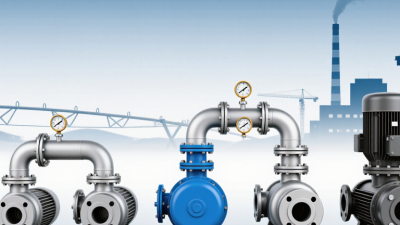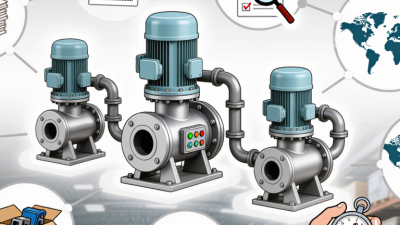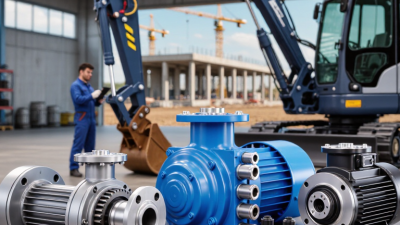
Choosing a water pump in 2026 is less about picking the biggest model and more about matching it to the job. Global buyers may compare centrifugal, submersible, diaphragm, booster, and positive-displacement pumps. Each type handles different flow rates, pressures, and water conditions. A centrifugal pump can suit steady transfer between tanks. A submersible unit works underwater, such as inside a well or drainage pit. Diaphragm and other positive-displacement pumps may suit controlled dosing or thicker fluids. Booster pumps can help where supply pressure is low. There is no universal winner. Even clean-looking water may contain grit that affects pump life.
For buyers searching “Pump Water,” the useful starting point is the application: water source, required flow, total head, operating hours, and available power. Then compare manufacturer pump curves, materials, motor details, warranty terms, and local service access. A stainless-steel casing may be appropriate for some water conditions, but material choice should follow the supplier’s specifications and the water’s actual chemistry. Check voltage and frequency compatibility before ordering. Ask for clear documentation, not just a product photo. A low purchase price can become expensive if replacement parts take weeks to arrive. That sounds obvious. It is still overlooked. This guide introduces the main pump types and the questions global buyers can use to narrow their choices. Specifications vary by model, so verify each claim against current manufacturer documentation before making a purchase.
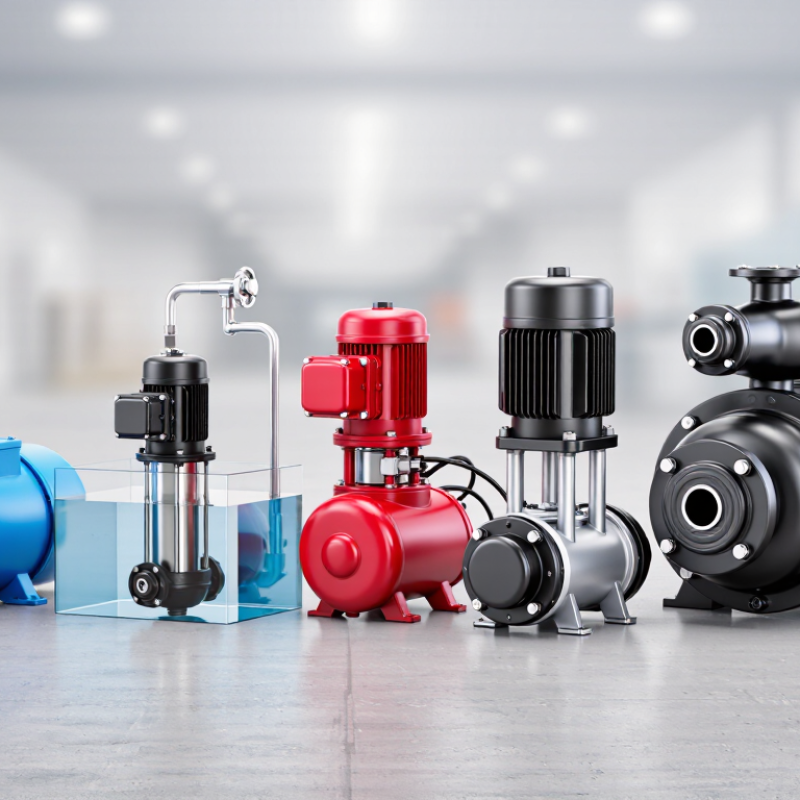
A water pump is a machine that moves liquid by adding energy to it. Most pumps create a pressure difference, drawing water into an inlet and pushing it through an outlet. In a centrifugal pump, a spinning impeller accelerates water outward inside the casing. The casing then helps convert that motion into pressure. Positive-displacement pumps work differently: they trap a measured volume and move it forward. Not magic. The right operating principle depends on the flow rate, pressure, water condition, and installation.
A pump does not simply “pull” water without limits. Suction lift, pipe length, air leaks, and inlet restrictions can all reduce performance. For example, a loose joint on the suction line may let air in, even when no water visibly leaks out. A strainer can protect the pump, but a clogged one may starve it. Details matter. Before choosing equipment, check the required flow and total head, including elevation and pipe losses. Match these needs to the pump’s performance curve, rather than relying on its maximum rating alone. That rating can be misleading. Real systems rarely match ideal test conditions, so careful measurement and a little humility are useful.
Water pumps are commonly classified by how they move fluid: dynamic action or positive displacement. This distinction helps buyers compare flow, pressure, and suitability for a specific duty. It is more useful than relying on the pump’s shape alone.
A centrifugal pump uses a rotating impeller to add velocity to water, then converts much of that motion into pressure. It often suits steady, high-flow transfer, such as filling a storage tank. Axial-flow pumps move water largely along the shaft and can handle very large volumes at low pressure. Mixed-flow designs sit between these patterns. They are not interchangeable; actual performance depends on the system curve and operating point.
Positive-displacement pumps trap a measured volume and push it through the outlet. Piston, diaphragm, and gear designs fall into this family, though their construction differs. They can provide controlled flow against higher pressure, but often need protection from blocked outlets. That detail is easy to overlook. Submersible and self-priming describe installation or priming features, not separate operating principles. A submersible unit works underwater; a self-priming model can evacuate air from its suction line under specified conditions. Check fluid cleanliness, required flow, lift, and maintenance access before choosing. Catalog ratings may not match a real installation. That deserves a second look.
Global buyers in 2026 often compare centrifugal, submersible, booster, and self-priming water pumps. The right choice depends on water source, required flow, lift height, and installation conditions. Centrifugal pumps are common for irrigation, building supply, and general water transfer. They work well with steady flow and relatively clean water. A submersible pump sits underwater, making it useful for wells, tanks, and drainage pits. Check the well diameter and water depth before selecting one.
Booster pumps help maintain pressure in homes, hotels, and small commercial systems. Self-priming models can be practical where the pump sits above the water source, though suction height and pipe leaks matter. Solar-powered pumps are also considered in remote locations, but output can vary with sunlight and storage capacity. No type wins every job. That matters. Buyers should compare rated flow and head, power supply, wetted materials, and access to replacement parts. A specification sheet may look convincing, yet real site conditions can change performance. Even experienced buyers sometimes underestimate maintenance needs. A careful match is usually more useful than choosing the most powerful pump.
These are widely used pump categories across residential, agricultural, commercial, and industrial applications—not a ranked market-share list. Operating ranges are indicative examples; actual performance varies by pump design, liquid, installation, and operating conditions.
| Pump Type | How It Works | Common Applications | Indicative Operating Range | Why Buyers Choose It | Key Selection Check |
|---|---|---|---|---|---|
| End-Suction Centrifugal | A rotating impeller adds velocity to the liquid, and the casing converts much of that energy into pressure. | Building water supply, irrigation, circulation, cooling, and general water transfer. | Flow: about 1–500 m³/h Head: about 5–100 m |
Common, straightforward to install, and available in many sizes for clean or lightly contaminated liquids. | Match the duty point to the pump curve; check liquid temperature, solids content, and suction conditions. |
| Submersible | The motor and pump operate while submerged in the liquid, pushing water toward the surface or outlet. | Wells, boreholes, drainage, wastewater handling, and dewatering. | Flow and head vary widely by design; borehole models may deliver from a few m³/h to tens of m³/h at substantial depths. | Useful where space is limited or the water source is below ground; submerged operation can avoid some priming issues. | Check well diameter, water level, required head, cooling requirements, and whether the liquid contains solids. |
| Multistage Centrifugal | Several impellers arranged in series build pressure stage by stage. | High-rise building supply, boiler feed, reverse-osmosis pre-treatment, and pressure boosting. | Flow: often about 0.5–100 m³/h Head: commonly tens to several hundred metres |
Provides higher pressure than many single-stage designs while maintaining a relatively compact footprint. | Confirm required pressure, water quality, materials, and whether vertical or horizontal installation is suitable. |
| Diaphragm Positive-Displacement | A flexible diaphragm moves back and forth to displace liquid; some versions use compressed air, while others use an electric drive. | Chemical transfer, dosing, wastewater, and applications requiring self-priming or dry-running tolerance within design limits. | Capacity and discharge pressure depend on drive and model; some air-operated designs handle flows up to tens of m³/h. | Can handle many challenging fluids and offers controlled displacement; air-operated versions do not require an electric motor at the pump. | Check chemical compatibility, diaphragm material, solids size, pulsation, and compressed-air or power requirements. |
| Gear or Screw Positive-Displacement | Rotating elements trap and move a fixed volume of liquid through the pump. | Viscous liquids, oils, fuels, lubricants, and metered or steady-transfer duties. | Best specified by required flow and pressure; capacity depends strongly on speed and liquid viscosity. | Suitable for many viscous liquids and can deliver a relatively steady flow at a given operating speed. | Verify viscosity range, abrasive content, relief protection, seal compatibility, and allowable speed. |
| Solar-Powered Water Pump | Photovoltaic panels power a pump system, commonly using a submersible or surface centrifugal pump with a controller. | Rural water supply, livestock watering, irrigation, and remote sites with limited grid access. | No universal range; output depends on solar array size, sunlight, pump design, and total pumping head. | Can reduce reliance on grid electricity or fuel where solar resources are suitable and operating needs are planned. | Size the system for daily water demand and seasonal sunlight; account for storage, controls, and backup needs. |
Centrifugal pumps suit high-volume water transfer where flow is steady and the liquid is relatively clean. They are common in irrigation, building circulation, and municipal supply systems. A farmer may use one to move water through long pipes to a field. Match the duty. These pumps are less suitable for thick liquids or running dry, which can damage internal parts.
Submersible pumps work underwater, making them practical for deep wells, drainage pits, and some wastewater applications. Their motor and pump sit below the waterline, so they can push water upward without a long suction lift. Check the permitted solids size before choosing a model; a pump designed for clear well water may clog in a muddy pit. Installation depth matters too.
Positive-displacement pumps move a measured volume with each cycle. They can suit viscous liquids, low-flow dosing, or applications that need consistent delivery against changing pressure. Diaphragm types are often considered for dosing and for liquids with suspended particles, provided the materials and passage sizes are compatible. Not always obvious. Pump selection is sometimes based on flow rate alone, but viscosity, particle size, suction conditions, and maintenance access can change the outcome. A site test may reveal a mismatch that a catalogue cannot.
Compare pumps at the real duty point, not by maximum flow alone. The duty point matters. Record required flow, total dynamic head, fluid temperature, viscosity, solids, and daily operating hours. A centrifugal pump often suits steady, high-flow water transfer. A positive-displacement type can better serve controlled, lower-flow delivery or viscous fluids. Submersible units help lift water from a wet well or bore. These are starting points, not rules.
Ask for the pump curve and check where the duty point falls against the best efficiency point. Compare motor input, hydraulic efficiency, NPSH required, seal materials, and maintenance intervals. The U.S. Department of Energy’s 2006 report, Improving Pumping System Performance: A Sourcebook for Industry, gives useful context. It estimates pumping uses nearly 20% of global electricity demand, and 25–50% of energy in some industrial plants. Lifecycle energy deserves scrutiny, not just purchase price.
Use measured flow and pressure at the installation to estimate annual energy. Include operating hours, throttling, speed control, standby periods, and seasonal demand. A variable-speed drive may help when demand changes, but it is not automatically efficient. Poor sizing can erase gains. Field readings can be messy. Recheck after commissioning, because a catalog curve cannot capture every pipe loss, air leak, or operator adjustment.
How to read this: Lower energy use means less electricity per cubic metre in this simplified comparison. Values are calculated from assumed overall wire-to-water efficiencies at a selected operating point (centrifugal 70%, multistage centrifugal 75%, submersible centrifugal 65%, positive displacement 60%). Actual performance varies with pump design, flow, head, motor, controls, and installation. Compare supplier performance curves at your required duty point before selecting a pump.